Addiction Relapse Prevention: 5 Strategies for Long-Term Sobriety

Addiction relapse prevention after one year of sobriety involves implementing strategies such as maintaining a strong support system, practicing coping mechanisms, avoiding triggers, continuing therapy, and focusing on overall well-being to sustain long-term recovery.
Maintaining sobriety after a year is a significant achievement, but the journey doesn’t end there. Addiction relapse prevention: 5 strategies to maintain sobriety after 1 year are crucial to help you navigate the challenges and sustain long-term recovery.
Understanding Addiction Relapse: Why It Happens After One Year
Even after achieving one year of sobriety, the risk of relapse remains a concern. Understanding the reasons behind relapse is essential for proactive prevention.
Relapse is not a sign of failure, but rather an indication that adjustments to the recovery plan may be necessary. Several factors can contribute to relapse, even after a significant period of sobriety.
The Biology of Relapse
Addiction alters the brain’s structure and function, creating powerful cravings and impairing impulse control. These changes can persist long after someone stops using substances.
Psychological Triggers
Stress, anxiety, depression, and trauma can trigger intense cravings and lead to relapse. These emotional states can reactivate the brain’s reward pathways, making substance use seem like the only way to find relief.
- Negative Emotions: Dealing with feelings like sadness or anger without resorting to substance use.
- Stressful Situations: Identifying and managing triggers in everyday life.
- Social Isolation: Feeling disconnected from support networks.

By recognizing these factors, individuals in recovery can develop strategies to manage them effectively.
Strategy 1: Strengthening Your Support System
A robust support system is crucial for maintaining sobriety. Connecting with others who understand your journey can provide encouragement and accountability.
Social support is a protective factor against relapse. Isolation can exacerbate negative emotions and increase the risk of returning to substance use.
Building Strong Relationships
Cultivate relationships with family members, friends, and peers in recovery. These connections offer emotional support and practical advice.
Attending Support Groups
Regular attendance at support groups like Alcoholics Anonymous (AA) or Narcotics Anonymous (NA) can provide a sense of community and shared experience. Hearing from others who have faced similar challenges can be incredibly validating.
- Shared Experiences: Connecting with others who understand the challenges of recovery.
- Accountability: Having people who can provide support and hold you accountable.
- Emotional Support: Receiving encouragement and validation during difficult times.
A strong support system can help individuals stay on track and avoid triggers that might lead to relapse.
Strategy 2: Mastering Coping Mechanisms for Stress and Anxiety
Learning how to manage stress and anxiety without turning to substances is a vital component of relapse prevention. Developing healthy coping mechanisms can provide alternative ways to deal with difficult emotions.
Unmanaged stress and anxiety are significant relapse triggers. Finding healthy ways to cope is essential for long-term sobriety.
Mindfulness and Meditation
Practicing mindfulness and meditation can help individuals become more aware of their thoughts and feelings, allowing them to respond more effectively to stress.
Exercise and Physical Activity
Regular exercise releases endorphins, which have mood-boosting effects. Physical activity can also reduce stress and improve overall well-being.
- Deep Breathing Exercises: Practicing techniques to calm the nervous system.
- Yoga and Stretching: Reducing muscle tension and promoting relaxation.
- Spending Time in Nature: Connecting with the natural world to reduce stress.
Incorporating these techniques into daily life can help individuals manage stress and anxiety without returning to substance use.
Strategy 3: Identifying and Avoiding Triggers
Triggers are people, places, or situations that can prompt cravings and increase the risk of relapse. Identifying and avoiding these triggers is a proactive step in relapse prevention.
Awareness of personal triggers is crucial for maintaining sobriety. Avoiding these triggers can reduce the temptation to use substances.
Recognizing High-Risk Situations
Identify situations that may increase the risk of relapse, such as attending parties where alcohol is served or spending time with people who still use substances.
Developing an Escape Plan
Create a plan for how to remove yourself from triggering situations. This might involve having a friend on call or knowing alternative routes to avoid certain places.
- Identifying Specific Triggers: Making a list of people, places, and situations that prompt cravings.
- Creating Boundaries: Setting limits with people who may encourage substance use.
- Avoiding Temptation: Steering clear of environments where substances are present.
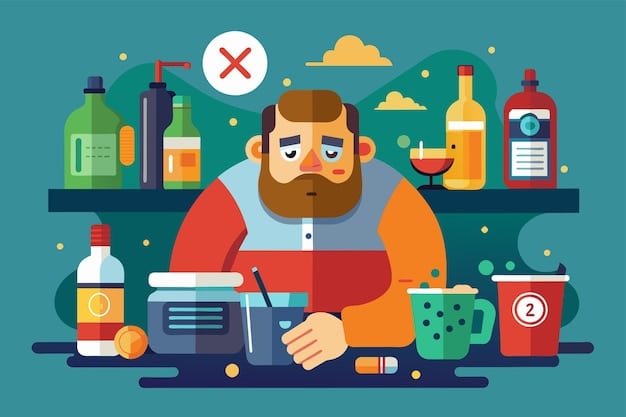
By understanding and avoiding personal triggers, individuals can reduce their vulnerability to relapse.
Strategy 4: Continuing Therapy and Counseling
Ongoing therapy and counseling can provide valuable support and guidance throughout the recovery process. These sessions offer a safe space to address underlying issues and develop coping strategies.
Therapy is an essential component of long-term recovery. It provides tools and techniques for managing triggers and maintaining sobriety.
Individual Therapy
Working with a therapist can help individuals explore the root causes of their addiction and develop strategies for managing cravings and triggers.
Group Therapy
Participating in group therapy can provide a sense of community and shared experience. Hearing from others who have faced similar challenges can be incredibly validating.
- Cognitive Behavioral Therapy (CBT): Changing negative thought patterns and behaviors.
- Dialectical Behavior Therapy (DBT): Developing skills to manage emotions and improve relationships.
- Motivational Interviewing (MI): Strengthening motivation for change.
Continuing therapy and counseling can help individuals stay on track with their recovery goals and address any new challenges that may arise.
Strategy 5: Prioritizing Overall Well-Being
Taking care of your physical, mental, and emotional health is essential for maintaining sobriety. Prioritizing overall well-being can create a strong foundation for long-term recovery.
A healthy lifestyle supports sobriety. Taking care of your overall well-being can reduce stress and improve mood.
Healthy Diet and Nutrition
Eating a balanced diet can improve mood and energy levels. Avoiding processed foods and sugary drinks can help stabilize blood sugar levels and reduce cravings.
Adequate Sleep
Getting enough sleep is crucial for physical and mental health. Sleep deprivation can exacerbate stress and increase the risk of relapse.
- Regular Sleep Schedule: Going to bed and waking up at the same time each day.
- Healthy Diet: Eating nutritious foods to support physical and mental health.
- Regular Exercise: Engaging in physical activity to reduce stress and improve mood.
By prioritizing overall well-being, individuals can strengthen their resilience and maintain their commitment to sobriety.
| Key Point | Brief Description |
|---|---|
| 🫂 Support System | Connect with supportive family, friends, and support groups. |
| 🧘 Coping Mechanisms | Practice mindfulness, exercise, and other stress-reduction techniques. |
| 🚫 Avoid Triggers | Identify and avoid people, places, and situations that prompt cravings. |
| ⚕️ Continue Therapy | Ongoing therapy provides guidance for dealing with underlying issues. |
Frequently Asked Questions
▼
Even after a year, the brain’s reward pathways are still influenced by past substance use. Triggers and life stressors can reactivate cravings, making relapse a possibility without continued vigilance and strategies.
▼
Actively engage with supportive friends and family. Attend support group meetings regularly to connect with others in recovery. Share your experiences and seek guidance when needed.
▼
Mindfulness meditation, deep breathing exercises, and regular physical activity can help manage stress effectively. Practicing these techniques daily can reduce anxiety and improve overall well-being.
▼
Make a list of people, places, and situations that prompt cravings. Develop strategies to avoid these triggers, such as changing routes or declining invitations to high-risk events.
▼
Therapy provides a safe space to address underlying issues related to addiction, develop coping strategies, and receive guidance. It helps you stay on track with recovery goals and manage new challenges.
Conclusion
Maintaining sobriety after one year requires ongoing commitment and proactive strategies. By strengthening your support system, mastering coping mechanisms, avoiding triggers, continuing therapy, and prioritizing overall well-being, you can build a solid foundation for long-term recovery and sustained sobriety.