Addiction recovery programs promoting long-term mental wellness

Addiction recovery programs promoting long-term mental wellness focus on structured support, professional guidance, and community resources to help individuals maintain sobriety and improve their mental health.
Addiction recovery programs promoting long-term mental wellness have gained attention for their significant impact on individuals seeking healthier lives. Have you ever wondered how these programs can reshape not only lives in recovery but also their mental well-being?
Understanding addiction recovery programs
Understanding addiction recovery programs is essential for those looking to overcome substance use challenges. These programs offer a structured approach to recovery and are designed to support individuals striving for a healthier life. They include various methods tailored to meet the unique needs of each person.
Types of addiction recovery programs
There are several types of recovery programs, each with distinctive features. Knowing which one suits you best can significantly impact your recovery journey.
- Inpatient programs
- Outpatient programs
- Support groups
- Therapeutic communities
Inpatient programs provide 24/7 care, while outpatient programs offer flexibility for those with responsibilities. Support groups, such as Alcoholics Anonymous, allow individuals to connect with others facing similar struggles, creating a supportive environment.
The role of therapy in recovery
Therapy plays a vital role in addiction recovery programs. It helps individuals address underlying issues that contribute to their addiction. Different types of therapy, including cognitive-behavioral therapy (CBT) and group therapy, can enhance the recovery process.
- Cognitive-Behavioral Therapy (CBT)
- Motivational Interviewing
- Family Therapy
- Support Groups
By exploring negative thought patterns and behaviors, individuals can learn effective coping strategies. This transformative approach is crucial in furthering long-term mental wellness.
Recovery programs not only focus on quitting substances but also help individuals build life skills, improve relationships, and find purpose. By combining various therapeutic approaches with ongoing support, these programs encourage sustainable recovery, ensuring that participants have the tools they need to thrive.
The importance of mental wellness post-recovery

The importance of mental wellness post-recovery cannot be overstated. After overcoming addiction, individuals need to focus on their mental health to maintain long-term recovery. Nurturing mental wellness fosters resilience and strengthens the ability to face life’s challenges.
Benefits of prioritizing mental wellness
Looking after mental wellness provides numerous advantages that enhance overall quality of life. This includes improved emotional stability and stronger relationships.
- Increased self-esteem
- Better coping strategies
- Enhanced focus and clarity
- Stronger relationships with family and friends
By developing these skills, individuals can navigate triggers and stressors more effectively. These benefits create a solid foundation for a healthier future.
Practices to enhance mental wellness
Adopting daily habits and strategies can significantly improve mental wellness. Integrating simple practices into your routine can lead to remarkable changes.
- Regular exercise
- Mindfulness and meditation
- Healthy dietary choices
- Engaging in hobbies
Exercise has proven benefits for mental health, helping to release endorphins and reduce stress. Mindfulness promotes awareness and relaxation, providing tools to manage anxiety. Along with these practices, staying connected to loved ones and seeking professional help when needed supports ongoing wellness.
Establishing a routine that includes self-care is crucial in the post-recovery journey. Those who prioritize mental wellness cultivate a greater sense of purpose and fulfillment. Ultimately, it becomes vital in sustaining a balanced, recovery-focused life.
Strategies for maintaining long-term sobriety
Strategies for maintaining long-term sobriety are crucial for anyone in recovery. Staying sober requires commitment and a proactive approach to avoid relapse. Here are some effective strategies that can make a real difference.
Establish a strong support network
Building a reliable support system is essential. Having friends and family who understand your journey can be incredibly helpful. Surrounding yourself with people who encourage your growth and hold you accountable makes your recovery stronger.
- Attend regular support group meetings
- Reach out to supportive friends
- Find a recovery buddy
- Engage in community outreach programs
Support groups, like Alcoholics Anonymous, offer valuable connections with others who have faced similar challenges. These relationships foster understanding and create a safe space for sharing experiences.
Create a daily routine
A structured daily routine is another key strategy. Having a clear plan helps you stay focused and reduces idle time that might lead to temptations. A routine should include activities that promote well-being.
- Incorporate exercise and fitness
- Schedule time for hobbies
- Practice mindfulness or meditation
- Dedicate time for meal planning
Regular exercise releases endorphins that boost mood and reduce stress. By engaging in meaningful activities, you fill your day with positivity and purpose.
Additionally, identifying and avoiding triggers is critical. Awareness of situations or emotions that might lead to cravings allows for proactive measures. Developing healthy coping strategies, such as journaling or creative expression, can also provide effective outlets for stress.
Ultimately, pursuing activities that promote personal growth and fulfillment strengthens your path to sobriety. Continuous self-reflection and goal-setting help you stay motivated and focused on your recovery journey.
Resources for support during recovery
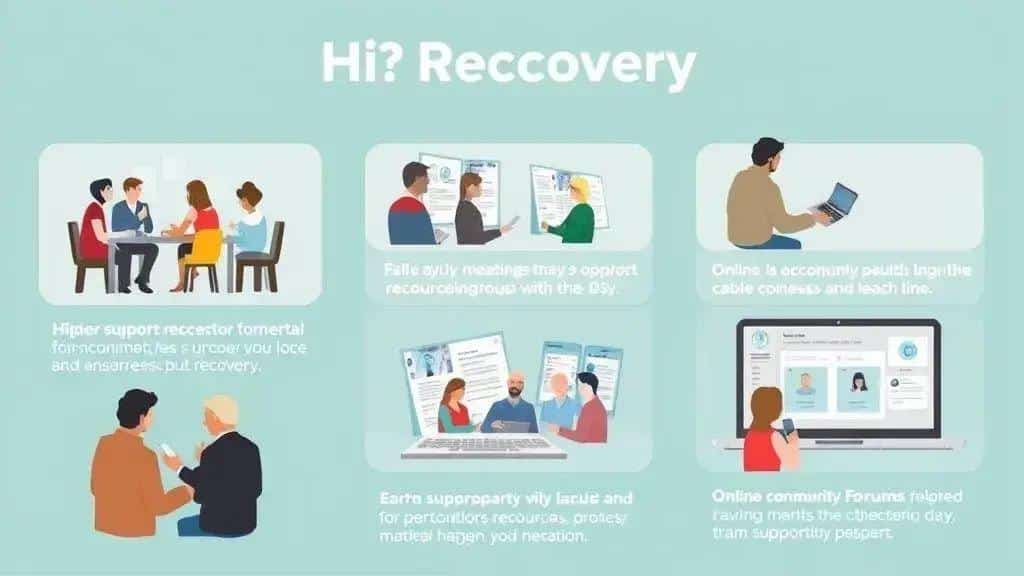
Resources for support during recovery play a vital role in maintaining sobriety and fostering mental wellness. Accessing the right support can make a significant difference in the recovery journey. Here are some essential resources available to individuals aiming for long-term recovery.
Support groups
Connecting with others facing similar challenges is crucial. Support groups provide shared experiences and encouragement.
- Alcoholics Anonymous (AA)
- Narcotics Anonymous (NA)
- SMART Recovery
- Women for Sobriety
Each of these groups offers a safe environment and proven strategies for overcoming addiction. Regular attendance can help build a strong support network and keep motivation high.
Professional help
Seeking help from professionals can also enhance recovery. Therapists and counselors provide guidance tailored to individual needs.
- Licensed therapists
- Substance abuse counselors
- Psychiatrists
- Behavioral health specialists
These experts can equip individuals with effective coping strategies and tools for managing emotions, assisting in the healing process.
Online resources
In today’s digital age, online resources have become a valuable tool for recovery. Many websites and apps are designed to assist individuals in their sobriety journey.
- Recovery support forums
- Mental health apps for mindfulness
- Educational videos and podcasts about recovery
- Mobile apps designed to track sobriety goals
Utilizing these online platforms can provide information and encouragement anytime, anywhere. They contribute significantly to promoting a sense of community.
In addition, local community centers often offer programs and workshops that promote sober living and healthy habits. Engaging in these activities can lead to improved mental wellness and foster connections with others in recovery.
In summary, maintaining long-term sobriety and mental wellness is a journey that requires support, commitment, and proactive strategies. Utilizing resources like support groups, professional help, and online platforms provides essential guidance. Engaging with a strong support network, practicing healthy routines, and staying aware of triggers are vital for success. Remember, recovery is not just about avoiding substances; it’s about building a fulfilling life.
FAQ – Frequently Asked Questions About Addiction Recovery Programs
What are addiction recovery programs?
Addiction recovery programs are structured approaches designed to help individuals overcome substance use challenges and maintain long-term sobriety.
How can support groups help in recovery?
Support groups provide shared experiences and encouragement, helping individuals connect with others who understand their struggles and promote accountability.
Why is mental wellness important after recovery?
Prioritizing mental wellness helps individuals build resilience, improve emotional stability, and develop effective coping strategies, which are crucial for sustaining recovery.
What resources are available for support during recovery?
Resources include support groups, professional therapy, online platforms, and community programs that offer guidance and foster connections.