Addiction recovery communities offering support and hope
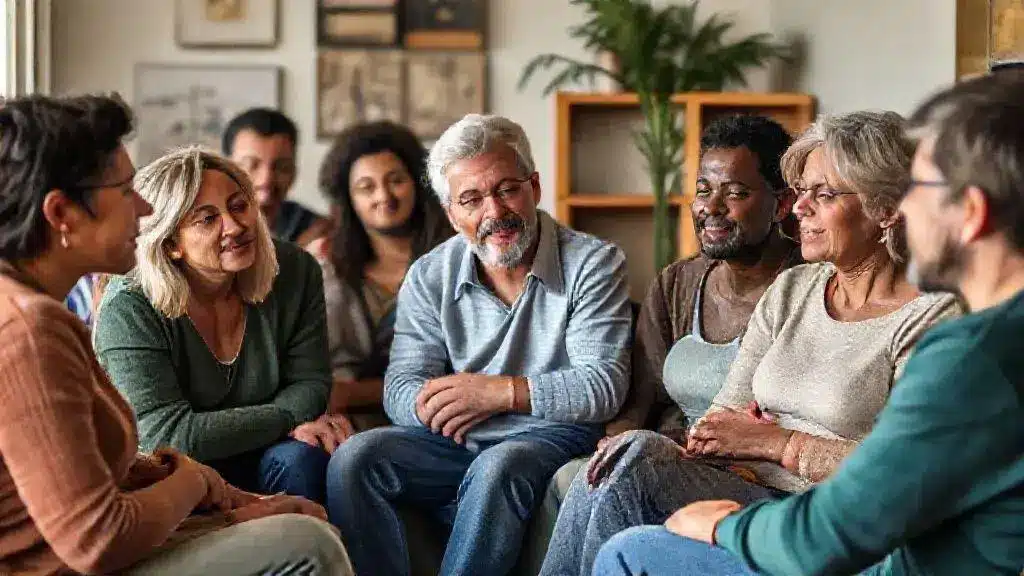
Addiction recovery communities offer essential support through shared experiences, emotional connections, and practical resources, making them vital for individuals seeking healing and growth in their recovery journey.
Addiction recovery communities offering support and hope can be a lifeline for individuals seeking change. Imagine connecting with others who truly understand your journey; it’s not just about recovery, it’s about rebuilding lives.
The importance of community in addiction recovery
Community plays a crucial role in addiction recovery. When individuals embark on the journey to recovery, having a supportive network can make all the difference. Feeling connected to others who understand the struggles and triumphs fosters a sense of belonging that is vital for healing.
Why Community Matters
Being part of a community provides emotional support and accountability. It creates an environment where individuals can share their experiences without judgment. This support helps to decrease feelings of isolation often felt during recovery.
Benefits of a Supportive Community
- Shared experiences: Hearing others’ stories can inspire and motivate.
- Emotional encouragement: Friends and mentors lift spirits and provide hope.
- Practical advice: Those who have gone through similar challenges can share strategies for coping.
- A sense of belonging: Being part of a group helps individuals feel valued and understood.
As members engage in group activities, they build bonds that can last a lifetime. Collaborating on common goals strengthens friendships and brings joy to the recovery process. This connection often leads to a feeling of responsibility to one another, creating an environment that encourages continued growth.
Furthermore, groups often host events and activities, ranging from yoga to workshops, providing healthier coping mechanisms. Such activities not only fill time but also contribute to a more balanced, fulfilling life post-recovery. This active participation is essential as it shifts focus from addiction to recovery, reinforcing the positive changes that come with healing.
Ultimately, the importance of community in addiction recovery cannot be overstated. Together, individuals can celebrate victories, share experiences, and support each other through the tough times, making the journey much more manageable.
Types of support offered by recovery communities
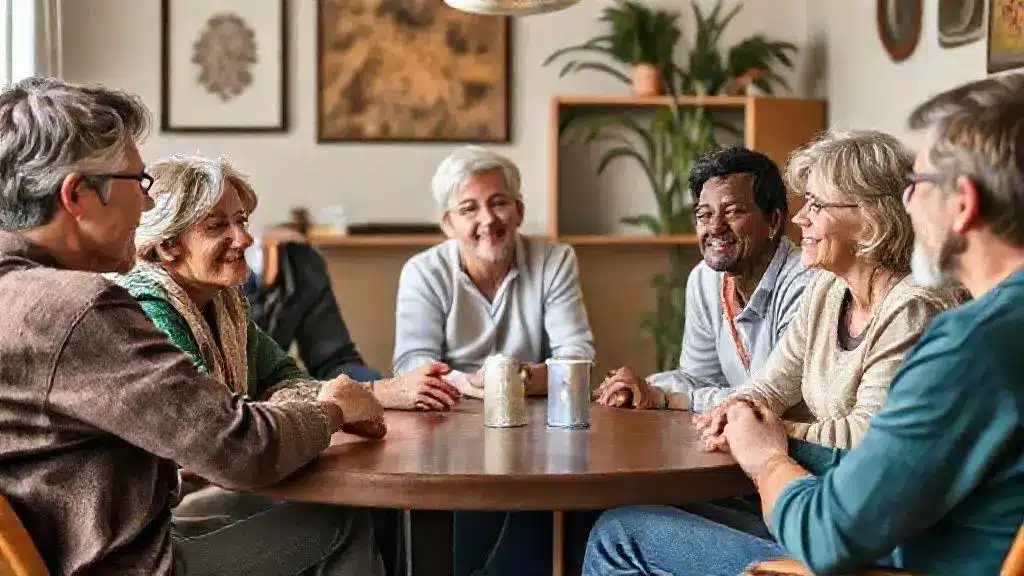
Recovery communities provide various types of support to help individuals on their addiction recovery journey. Each type of support plays a unique role in fostering healing and growth. From emotional guidance to practical resources, these communities create an environment that promotes recovery.
Emotional and Social Support
One of the primary benefits of recovery communities is the emotional and social support they offer. Connecting with others who have similar experiences helps individuals feel understood and not alone in their struggles. Members of these communities often share stories, providing a sense of hope.
Practical Resources
In addition to emotional support, recovery communities often connect individuals with practical resources. These can include:
- Access to counseling: Professional guidance can help process feelings and develop coping strategies.
- Group therapy sessions: These provide a safe space to discuss challenges and triumphs.
- Educational workshops: Learning about addiction and recovery allows individuals to better understand their journey.
- Job placement services: Employment support helps individuals reintegrate into society.
As individuals immerse themselves in these communities, they discover that shared experiences play an essential role in healing. Participating in group activities fosters teamwork, building trust and camaraderie among members. This support creates a foundation where individuals learn from each other, contributing to their overall recovery.
Furthermore, recovery communities often facilitate social gatherings and events, which promote friendship and connection. These interactions can lead to lifelong friendships, encouraging individuals to stay committed to their recovery journey. It is during these moments that members feel a sense of belonging and acceptance.
Ultimately, the types of support offered by recovery communities serve as a crucial lifeline for individuals striving for a better life. By providing emotional, social, and practical resources, these communities empower members to overcome obstacles and thrive in their recovery.
Shared experiences and their healing power
Shared experiences create a unique bond among individuals in recovery. When people come together to share their stories, they often find comfort and understanding. These connections can be transformative, offering hope and encouragement for those on their healing journey.
The Impact of Storytelling
Storytelling plays a vital role in the healing process. When individuals share their struggles and triumphs, it fosters a sense of community. Listening to others helps to normalize feelings and experiences, making it clear that no one is alone in this journey.
Benefits of Sharing
The benefits of sharing experiences in recovery communities include:
- Validation: Hearing others’ stories can validate one’s own feelings.
- Encouragement: Sharing successes can inspire and motivate others to keep going.
- Connection: Forming connections with others reduces feelings of isolation.
- Learning: Individuals can learn coping strategies from others’ experiences.
As members open up, they often discover that their experiences resonate with others. This realization can lead to a deeper understanding of their own journey and challenges. When someone shares their story, it not only benefits them but also allows others to feel seen and heard.
Participating in discussions and sharing experiences can serve as a powerful reminder that healing is possible. It creates an atmosphere of safety and openness, where vulnerability is welcomed. Many recovery communities encourage regular sharing through meetings, fostering a culture of mutual support.
Moreover, the act of sharing can be healing in itself. When individuals express their feelings, they begin to process their emotions more effectively. This mutual understanding can promote empathy and compassion, creating lasting bonds within the community.
Finding the right recovery community for you

Finding the right recovery community is essential for successful healing. Each person has unique needs and preferences, so it’s important to explore options that resonate with you. The right fit can provide encouragement and support that significantly impacts your recovery journey.
Consider Your Needs
Think about what kind of support you require. Are you looking for emotional support, practical resources, or a specific type of therapy? Understanding your needs will help you narrow down your options. Asking yourself questions can provide clarity:
- What type of environment do I thrive in? Some prefer structured settings, while others favor more relaxed atmospheres.
- Do I want to connect with people who share similar experiences? This connection can foster deeper relationships.
- What activities or programs interest me? Engaging in activities you enjoy can enhance your recovery.
As you explore different communities, take note of their founding principles. Some may focus on specific recovery methods, such as 12-step programs, while others emphasize holistic approaches. This alignment with your values can make a significant difference.
Research Local Options
Start researching local recovery communities that align with your needs. Attend open meetings or informational sessions to get a feel for the environment and people involved. Engaging with community members allows you to observe their approach to recovery. Don’t hesitate to ask questions; most communities welcome curious individuals.
Another way to find a suitable community is to utilize online resources. Websites, social media groups, and reviews can provide valuable insights into what others experience. Remember, finding the right recovery community remains a personal journey, and it may take time.
A key aspect to consider is the level of commitment you can provide. Some communities may require more time and involvement than others. Be honest with yourself about how much you can contribute while managing your recovery.
FAQ – Frequently Asked Questions about Recovery Communities
What should I look for in a recovery community?
You should consider your personal needs, the type of support offered, and the community’s values to find the right fit.
How can I connect with others in recovery?
Attend meetings, participate in community events, and engage in discussions to build connections with others who share similar experiences.
Can I try different recovery communities before committing?
Yes, it’s encouraged to explore multiple communities to see which one resonates with you best.
What role does sharing experiences play in recovery?
Sharing experiences helps create a supportive environment, fosters connections, and can motivate individuals on their healing journey.