Optimal Hydration Habits for US Adults in 2025

Achieving optimal hydration for US adults in 2025 extends beyond the traditional 8-glass recommendation, requiring personalized approaches that consider individual factors like activity level, climate, and overall health to truly support well-being.
As we step into 2025, understanding optimal hydration habits for US adults becomes more critical than ever, moving beyond the simplistic ‘eight glasses a day’ mantra. This guide delves into the nuances of fluid intake, offering insider knowledge to help you achieve profound well-being.
Understanding the ‘Why’ Behind Hydration
Hydration is not merely about quenching thirst; it is a fundamental pillar of human health, influencing everything from cognitive function to metabolic processes. For US adults, maintaining proper fluid balance is crucial for sustaining energy levels, supporting organ function, and even enhancing mood.
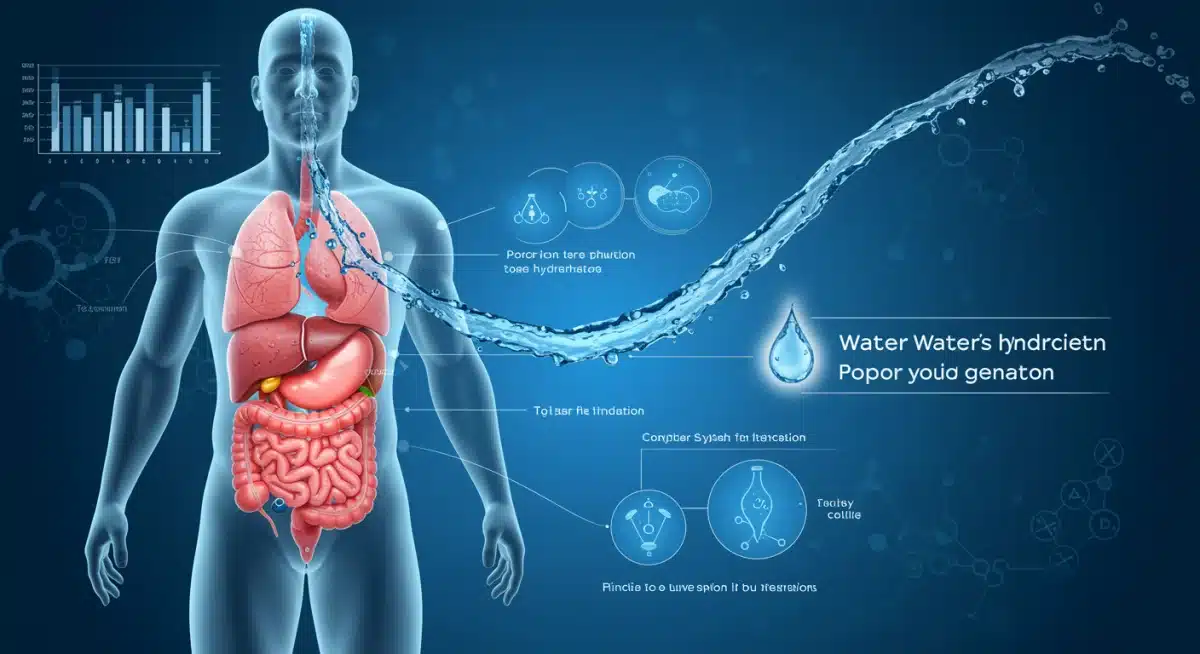
The human body is composed of approximately 60% water, a testament to its pervasive role in biological systems. Every cell, tissue, and organ relies on water to function correctly. Without adequate hydration, the body struggles to perform essential tasks, leading to a cascade of potential health issues.
The intricate role of water in bodily functions
Water acts as a solvent, transporting nutrients and oxygen to cells, lubricating joints, and regulating body temperature through perspiration. It also plays a vital role in detoxification, helping the kidneys flush out waste products from the body. Adequate water intake ensures that these processes occur efficiently.
- Nutrient Transport: Water carries essential vitamins, minerals, and glucose to cells.
- Temperature Regulation: Evaporation of sweat cools the body.
- Joint Lubrication: Synovial fluid, primarily water, reduces friction in joints.
- Waste Elimination: Aids kidneys in filtering waste and forming urine.
Beyond these physiological roles, emerging research highlights water’s impact on mental clarity and emotional resilience. Dehydration, even mild, can impair concentration, memory, and overall cognitive performance, directly affecting daily productivity and decision-making. Therefore, understanding the comprehensive benefits of hydration is the first step toward adopting healthier habits.
In conclusion, recognizing water’s multifaceted contributions to health underscores the importance of prioritizing hydration. It is an investment in your physical and mental well-being, paving the way for a healthier and more resilient life.
Moving Beyond the 8-Glass Rule: Personalized Hydration
The long-standing recommendation of eight 8-ounce glasses of water per day, while well-intentioned, is an oversimplification. Optimal hydration for US adults in 2025 demands a more personalized approach, recognizing that individual needs vary significantly based on lifestyle, environment, and physiological factors.
Factors such as activity level, climate, diet, and individual health conditions all play a crucial role in determining how much fluid one truly needs. A marathon runner in Arizona, for instance, will have vastly different hydration requirements than an office worker in a temperate climate.
Key factors influencing individual hydration needs
Understanding these variables allows for a more accurate assessment of personal hydration needs. It shifts the focus from a generic target to a dynamic, responsive strategy tailored to your body.
- Activity Level: Increased physical exertion leads to greater fluid loss through sweat.
- Climate: Hot and humid environments escalate perspiration rates.
- Health Status: Fever, vomiting, diarrhea, or certain medications can increase fluid needs.
- Diet: High-sodium diets can increase thirst, while water-rich foods contribute to intake.
Pregnancy and breastfeeding also significantly increase fluid requirements, as water is essential for fetal development and milk production. Even the type of clothing worn can affect sweat rates and, consequently, hydration needs. Therefore, a one-size-fits-all approach is inherently flawed.
Ultimately, personalized hydration involves listening to your body’s signals, such as thirst, and observing urine color, which can be a reliable indicator of hydration status. Aim for pale yellow urine as a sign of adequate fluid intake.
The Hidden Dangers of Chronic Dehydration
While acute dehydration can lead to immediate and noticeable symptoms like dizziness and fatigue, chronic mild dehydration often goes unrecognized, silently eroding health over time. For US adults, persistent under-hydration can contribute to a range of chronic conditions and diminish overall quality of life.
Many individuals unknowingly operate in a state of mild dehydration, attributing symptoms like headaches, constipation, and irritability to other causes. This insidious nature of chronic dehydration makes it a significant, yet often overlooked, public health concern.
Long-term health impacts of insufficient fluid intake
The cumulative effects of inadequate hydration can be profound, impacting various bodily systems. It can strain the kidneys, impair cardiovascular function, and even compromise cognitive abilities.
- Kidney Stones: Chronic dehydration increases the risk of mineral crystal formation.
- Urinary Tract Infections (UTIs): Reduced urine flow allows bacteria to proliferate.
- Constipation: Insufficient water makes stools harder and more difficult to pass.
- Cognitive Decline: Impaired memory, concentration, and mood.
Furthermore, studies suggest a link between chronic dehydration and increased risk for certain chronic diseases, including hypertension and diabetes, although more research is needed to fully understand these connections. The body’s ability to regulate blood pressure and glucose levels can be compromised when fluid balance is consistently off kilter.
Recognizing the subtle signs of chronic dehydration and proactively addressing them is paramount. It’s not just about avoiding immediate discomfort but safeguarding long-term health and resilience.
Beyond Water: Hydrating Foods and Beverages
While water is undoubtedly the best source of hydration, it’s important to remember that a significant portion of our daily fluid intake can come from foods and other beverages. For US adults, incorporating hydrating foods into the diet is an enjoyable and effective way to supplement water intake and boost overall nutrient consumption.
Many fruits and vegetables boast high water content, alongside essential vitamins, minerals, and fiber. These foods offer a double benefit: hydration and nutritional enrichment, contributing to a more holistic approach to well-being.
Delicious sources of hydration
Expanding your hydration strategy beyond plain water can make it more sustainable and enjoyable. Explore the diverse range of hydrating options available.
- Fruits: Watermelon, strawberries, cantaloupe, peaches, oranges.
- Vegetables: Cucumber, lettuce, celery, bell peppers, tomatoes.
- Other Beverages: Herbal teas, coconut water, milk (dairy or plant-based), diluted fruit juices.
It’s crucial to be mindful of beverages that can have a diuretic effect, such as excessive caffeine or alcohol, which can lead to increased fluid loss. While moderate consumption is generally fine, relying on these for hydration is counterproductive.
Incorporating a variety of hydrating foods and beverages ensures a broader spectrum of nutrients and makes the process of staying adequately hydrated less monotonous. This diversified approach supports not only fluid balance but also overall dietary health.
Practical Strategies for Improving Hydration Habits
Adopting and maintaining optimal hydration habits requires conscious effort and strategic planning. For US adults aiming for better health in 2025, integrating practical, sustainable strategies into daily routines is key to success. It’s about making hydration an effortless part of your day, rather than a chore.
Small, consistent changes can lead to significant improvements over time. The goal is to build habits that endure, ensuring your body consistently receives the fluids it needs without constant conscious effort.
Actionable tips for daily fluid intake
These strategies are designed to be easily incorporated into busy lifestyles, making hydration accessible and achievable.
- Start Your Day Hydrated: Drink a glass of water immediately upon waking.
- Carry a Reusable Water Bottle: Keep it visible and refill it throughout the day.
- Set Reminders: Use apps or alarms to prompt regular sips.
- Flavor Your Water Naturally: Add fruit slices, cucumber, or herbs for taste variety.
- Hydrate Around Meals: Drink water before, during, and after meals.
Tracking your intake can also be a powerful motivator. Whether through a simple journal or a dedicated app, monitoring your progress can help you identify patterns and adjust your habits as needed. Remember, consistency trumps intensity when it comes to long-term habit formation.
By implementing these practical tips, you can transform hydration from an afterthought into a foundational element of your daily wellness routine, leading to noticeable improvements in energy, focus, and overall health.
The Link Between Hydration, Mental Clarity, and Emotional Well-being
The connection between physical hydration and mental and emotional health is profound and often underestimated. For US adults navigating the complexities of modern life, optimal fluid intake is not just about physical performance but also about fostering cognitive function and emotional resilience.
Even mild dehydration can trigger symptoms that mimic stress or anxiety, such as irritability, fatigue, and difficulty concentrating. This highlights water’s critical role in maintaining brain health and stabilizing mood.
How fluid balance impacts the mind
The brain, being about 75% water, is particularly sensitive to changes in hydration status. When dehydrated, brain tissue can actually shrink, affecting cognitive processes and emotional regulation.
- Cognitive Function: Improved focus, memory, and problem-solving abilities.
- Mood Regulation: Reduced irritability, anxiety, and fatigue.
- Stress Resilience: Helps the body manage stress hormones more effectively.
- Sleep Quality: Proper hydration supports the body’s natural sleep-wake cycle.
Neurotransmitters, the brain’s chemical messengers, rely on adequate water to be synthesized and transported effectively. When water levels drop, these processes can become inefficient, leading to a cascade of effects that impact mental clarity and emotional stability. Therefore, a well-hydrated brain is a more efficient and resilient brain.
Prioritizing hydration is a simple yet powerful strategy for enhancing mental well-being and emotional balance. It serves as a foundational practice for anyone seeking to improve their cognitive performance and maintain a positive outlook on life.
Hydration in Special Populations: Tailored Approaches
While the general principles of hydration apply broadly, certain populations among US adults have unique fluid requirements that necessitate tailored approaches. Recognizing these specific needs is crucial for ensuring optimal health outcomes and preventing dehydration-related complications.
From older adults and athletes to individuals with chronic health conditions, a blanket recommendation for water intake can be insufficient or even inappropriate. A nuanced understanding of these varying needs allows for more effective and personalized hydration strategies.
Specific hydration considerations for diverse groups
Understanding the unique physiological and environmental factors affecting these groups is essential for providing effective guidance.
- Older Adults: Often have a blunted thirst sensation and may be on medications affecting fluid balance.
- Athletes: High sweat rates require increased fluid and electrolyte replacement before, during, and after exercise.
- Pregnant/Breastfeeding Women: Elevated fluid needs to support fetal development and milk production.
- Individuals with Chronic Illnesses: Conditions like diabetes or kidney disease may require specific fluid restrictions or increased intake.
For older adults, the risk of dehydration is heightened due to physiological changes and potential cognitive impairment that can affect thirst perception. Athletes, conversely, face significant fluid losses through intense physical activity, demanding strategic rehydration with water and electrolytes.
Healthcare providers play a critical role in guiding these special populations, offering personalized advice based on individual health profiles and lifestyle. This ensures that hydration strategies are safe, effective, and conducive to overall well-being.
| Key Aspect | Brief Description |
|---|---|
| Personalized Hydration | Move beyond the 8-glass rule by tailoring fluid intake to individual activity, climate, and health needs. |
| Hidden Dehydration Dangers | Chronic mild dehydration can lead to kidney issues, UTIs, constipation, and cognitive impairment over time. |
| Hydrating Foods & Beverages | Supplement water intake with high-water content fruits, vegetables, and other healthy drinks for broader nutrient intake. |
| Mental & Emotional Link | Proper hydration significantly enhances cognitive function, mood stability, and resilience against stress. |
Frequently Asked Questions About Hydration
While the old ‘8 glasses a day’ is a starting point, individual needs vary greatly. A general guideline suggests around 15.5 cups (3.7 liters) of fluids for men and 11.5 cups (2.7 liters) for women daily, including fluids from foods. Factors like activity level, climate, and health status will influence this further.
While hydrating foods like fruits and vegetables contribute significantly to your daily fluid intake, it’s generally not enough to meet all your hydration needs solely through diet. Water and other healthy beverages remain essential for maintaining optimal fluid balance throughout the day.
Mild dehydration symptoms can be subtle and include thirst, dry mouth, infrequent urination, fatigue, headache, and reduced cognitive function. Urine color can also be a good indicator; aim for pale yellow. Darker urine suggests you need to drink more fluids.
For most US adults engaging in moderate daily activities, plain water is sufficient. Sports drinks are typically beneficial only for intense, prolonged exercise (over an hour) where electrolytes and carbohydrates need to be replenished. For casual activity, they often add unnecessary sugar and calories.
Proper hydration is crucial for mental clarity, mood regulation, and cognitive function. Dehydration, even mild, can lead to decreased concentration, irritability, fatigue, and impaired memory. Staying well-hydrated supports neurotransmitter function and overall brain health, contributing to better emotional well-being.
Conclusion
Embracing optimal hydration habits for US adults in 2025 is a journey that extends far beyond simple fluid intake; it’s a commitment to holistic well-being. By moving past generic advice and adopting personalized strategies that consider individual needs, environmental factors, and lifestyle choices, we can unlock profound benefits for both physical and mental health. Prioritizing hydration means investing in enhanced cognitive function, improved mood, greater physical endurance, and a more resilient body. Make mindful hydration a cornerstone of your daily routine, and experience the transformative impact it can have on your vitality and overall quality of life.