Plant-Based Diets: Best Long-Term Health for US Adults 2025
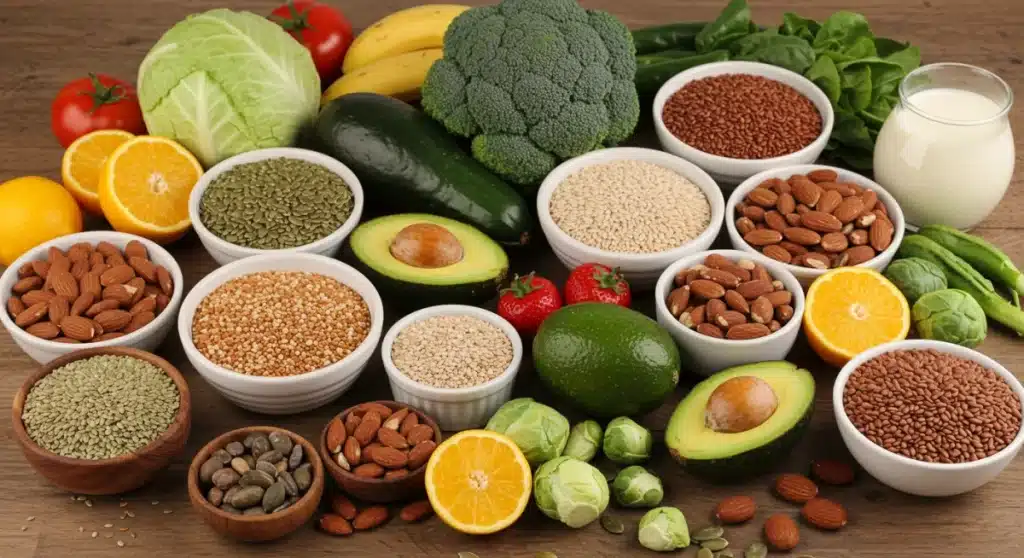
Comparing the top 3 plant-based diets for US adults in 2025 reveals distinct long-term health benefits, with each offering unique advantages for well-being, disease prevention, and nutritional balance.
As the landscape of nutrition evolves, understanding the long-term health implications of dietary choices becomes increasingly vital. This article delves into plant-based health benefits, specifically comparing the top three plant-based diets for US adults: Vegan, Vegetarian, and Flexitarian. We aim to identify which offers the best long-term health benefits as of 2025, providing a comprehensive analysis for those seeking to optimize their well-being.
The Rise of Plant-Based Diets in the US
The shift towards plant-based eating is more than just a trend; it’s a significant dietary movement gaining momentum across the United States. Driven by growing awareness of health, environmental impact, and ethical considerations, an increasing number of US adults are incorporating more plant-derived foods into their daily routines.
This culinary evolution reflects a broader understanding of how diet influences not only individual health but also planetary sustainability. The appeal of plant-based diets lies in their potential to mitigate various chronic diseases, improve overall vitality, and reduce ecological footprints.
Understanding the Motivation Behind the Shift
Many individuals are drawn to plant-based diets for a variety of compelling reasons. Health concerns often top the list, with desires to manage weight, reduce cholesterol, or prevent conditions like heart disease and type 2 diabetes being primary motivators.
- Improved cardiovascular health
- Lower risk of type 2 diabetes
- Better weight management
- Reduced cancer risk
Beyond personal health, environmental consciousness plays a crucial role. The recognition that livestock farming contributes significantly to greenhouse gas emissions and resource depletion encourages many to adopt more sustainable eating patterns.
Furthermore, ethical considerations regarding animal welfare are powerful factors for some, leading them to choose diets that avoid animal products entirely or significantly reduce their consumption. This multifaceted motivation underscores the enduring nature of the plant-based movement.
The growing availability of plant-based alternatives in supermarkets and restaurants also makes these diets more accessible and appealing than ever before. This increased convenience helps integrate plant-based eating into mainstream American lifestyles, fostering a sustainable dietary shift.
Vegan: The Purest Form of Plant-Based Living
The vegan diet represents the most restrictive form of plant-based eating, eschewing all animal products, including meat, poultry, fish, dairy, eggs, and often honey. Adherents typically focus on a rich variety of fruits, vegetables, grains, legumes, nuts, and seeds.
This dietary choice is often embraced for its profound ethical stance against animal exploitation, alongside perceived health and environmental advantages. The commitment to a purely plant-based lifestyle requires careful planning to ensure adequate nutrient intake.
Nutritional Advantages and Potential Deficiencies
A well-planned vegan diet is inherently rich in fiber, vitamins, minerals, and antioxidants, while being low in saturated fat and cholesterol. These characteristics contribute to its widely recognized health benefits.
- High in dietary fiber
- Abundant in vitamins C and E
- Rich in various phytonutrients
- Low saturated fat and cholesterol
However, the exclusion of all animal products means certain nutrients can be harder to obtain. Vitamin B12, crucial for nerve function and red blood cell formation, is almost exclusively found in animal products and requires supplementation or fortified foods for vegans. Iron, calcium, vitamin D, iodine, and omega-3 fatty acids also warrant attention.
Despite these challenges, with proper planning, vegans can thrive. Incorporating fortified plant milks, nutritional yeast, sea vegetables, and diverse sources of plant protein like lentils, tofu, and quinoa helps bridge nutritional gaps.
Long-term studies consistently show that vegans tend to have lower body mass indexes (BMIs), reduced risk of heart disease, lower blood pressure, and a decreased incidence of type 2 diabetes and certain cancers. The emphasis on whole, unprocessed plant foods is a key factor in these positive health outcomes.
Vegetarian: A Flexible Approach to Plant-Based Eating
The vegetarian diet is a broad category that primarily excludes meat, poultry, and fish, but often includes dairy products and eggs. This flexibility makes it a more accessible entry point for many individuals transitioning to plant-based eating.
Within vegetarianism, there are several sub-categories, such as lacto-ovo vegetarians (who consume dairy and eggs), lacto-vegetarians (who consume dairy but not eggs), and ovo-vegetarians (who consume eggs but not dairy). This adaptability allows individuals to tailor their diet to their preferences and nutritional needs.

Balancing Nutrient Intake with Dairy and Eggs
The inclusion of dairy and eggs in a vegetarian diet often simplifies the process of obtaining essential nutrients that can be challenging for vegans. Dairy products are excellent sources of calcium and vitamin D, while eggs provide high-quality protein, vitamin B12, and choline.
- Good sources of calcium and vitamin D (from dairy)
- High-quality protein and B12 (from eggs)
- Easier to meet iron and zinc requirements
- More dietary flexibility
This makes it generally easier for vegetarians to meet their nutritional requirements without extensive supplementation, compared to a strictly vegan diet. However, it’s still important to focus on whole, unprocessed foods and limit intake of highly processed vegetarian alternatives.
Research indicates that vegetarians also enjoy significant health benefits, including a lower risk of heart disease, stroke, and certain cancers. They often have healthier body weights and blood pressure levels. The inclusion of dairy and eggs can also provide a sense of satiety and culinary familiarity that aids adherence.
The long-term health outcomes for vegetarians are generally very positive, often mirroring those of vegans in many respects, particularly when the diet emphasizes fruits, vegetables, and whole grains while limiting processed foods and excessive dairy or egg consumption.
Flexitarian: The Flexible Plant-Forward Approach
The flexitarian diet, as its name suggests, is a flexible approach to eating that primarily emphasizes plant-based foods while allowing for occasional consumption of meat, poultry, and fish. It’s not a strict diet but rather a dietary pattern that encourages reducing meat intake without completely eliminating it.
This approach has gained significant popularity due to its adaptability and the absence of rigid rules, making it a sustainable choice for many who find strict vegetarian or vegan diets too challenging. It focuses on incorporating more plant foods rather than restricting animal products entirely.
Benefits of a Partially Plant-Based Diet
One of the primary advantages of the flexitarian diet is its ease of adoption and long-term sustainability. By not requiring complete abstinence from animal products, it allows individuals to enjoy occasional meat dishes, which can make social eating and dietary transitions much simpler.
- Increased dietary adherence
- Reduced feelings of deprivation
- Easier to meet all nutrient needs
- Supports a gradual transition to more plant-based eating
From a nutritional standpoint, the occasional inclusion of animal products can help ensure adequate intake of nutrients like iron, zinc, and vitamin B12, which can sometimes be more challenging to obtain in purely plant-based diets. This reduces the risk of nutritional deficiencies without sacrificing many of the health benefits associated with plant-forward eating.
Studies show that flexitarians tend to have lower body weights, reduced risk of metabolic syndrome, and improved markers of heart health compared to regular meat-eaters. While the benefits might not be as pronounced as those observed in strict vegans or vegetarians, they are still substantial and contribute significantly to long-term well-being.
The flexitarian diet offers a practical and realistic pathway for many US adults to improve their health without feeling overwhelmed by strict dietary constraints. It promotes mindful eating and a gradual shift towards a more plant-centric lifestyle, fostering sustainable healthy habits.
Comparing Long-Term Health Benefits: Which Diet Reigns Supreme?
When evaluating the long-term health benefits of vegan, vegetarian, and flexitarian diets, it’s clear that all three offer significant advantages over a typical Western diet rich in processed foods and animal products. The key lies in the degree of adherence and the quality of food choices within each framework.
Generally, the more plant-focused a diet is, the greater the potential for health benefits. However, the ‘best’ diet is ultimately the one an individual can adhere to consistently and healthily over the long term.
Disease Prevention and Longevity
Vegan diets are often associated with the lowest rates of heart disease, type 2 diabetes, and certain cancers, largely due to their high fiber content, low saturated fat, and absence of dietary cholesterol. Their emphasis on whole, unprocessed foods contributes to lower inflammation and improved metabolic health.
Vegetarian diets, while including dairy and eggs, also demonstrate strong protective effects against chronic diseases. The inclusion of these animal products can make nutrient acquisition easier, potentially leading to better adherence and nutritional balance for some individuals, without significantly compromising overall health outcomes.
Flexitarian diets, by reducing but not eliminating meat, still offer substantial benefits. They serve as an excellent bridge for those looking to transition towards more plant-based eating, providing a realistic path to improved health markers without the strictness that might deter some from fully committing to vegan or vegetarian lifestyles.
Ultimately, the consistent consumption of whole plant foods, regardless of the specific dietary label, is the most crucial factor for long-term health. Each diet offers a viable pathway to better health, with the optimal choice depending on individual preferences, ethical considerations, and nutritional needs.
Nutritional Considerations for US Adults in 2025
Regardless of the chosen plant-based diet, US adults in 2025 must prioritize nutritional completeness. With evolving food environments and personalized nutrition trends, understanding specific nutrient needs is more important than ever. Planning is essential to prevent deficiencies and maximize health outcomes.
The availability of fortified foods and high-quality supplements has made it easier to follow plant-based diets safely and effectively. However, relying solely on these without a diverse whole-food base is not ideal.
Key Nutrients to Monitor
For vegans, particular attention must be paid to Vitamin B12, which is critical for neurological health. Supplementation is almost always recommended. Iron, often found in plant sources like lentils and spinach, needs to be paired with vitamin C to enhance absorption.
- Vitamin B12: Essential for nerve function; requires supplementation for vegans.
- Iron: Consume with Vitamin C-rich foods for better absorption.
- Calcium: Found in fortified plant milks, leafy greens, and tofu.
- Vitamin D: Sun exposure and fortified foods are crucial.
- Omega-3 Fatty Acids: Flaxseeds, chia seeds, and walnuts are good sources; consider algal oil supplements.
Vegetarians and flexitarians have a slightly easier time with nutrients like B12 and calcium due to dairy and egg consumption, but still benefit from mindful food choices. For all plant-based diets, protein intake should be diversified across legumes, grains, nuts, and seeds to ensure a complete amino acid profile.
Monitoring these key nutrients through a balanced diet and, when necessary, targeted supplementation, ensures that US adults can fully reap the extensive health benefits offered by plant-based eating. Regular check-ups with healthcare providers can also help identify and address any potential nutritional gaps.
Sustainable Adherence: Making Plant-Based Diets Work for You
The long-term success of any diet hinges on its sustainability and an individual’s ability to adhere to it consistently. For plant-based diets, this means finding an approach that aligns with personal preferences, lifestyle, and social environment, rather than strictly following a rigid set of rules.
Choosing between vegan, vegetarian, or flexitarian should be a personal decision, informed by health goals, ethical considerations, and what feels genuinely achievable over many years. A diet that is too restrictive can often lead to burnout and eventual abandonment.
Strategies for Long-Term Success
Gradual transitions can be highly effective. Instead of immediately adopting a strict vegan diet, many find success by gradually reducing meat consumption, perhaps starting with a flexitarian approach, then moving to vegetarianism, and eventually to veganism if desired. This allows the body and palate to adjust over time.
- Start gradually, introducing more plant-based meals each week.
- Experiment with new recipes and cuisines to keep meals exciting.
- Seek out community and support from other plant-based eaters.
- Consult with a registered dietitian for personalized guidance.
Educating oneself about plant-based nutrition is also paramount. Understanding how to combine foods to create complete proteins, how to enhance nutrient absorption, and where to find key vitamins and minerals empowers individuals to make informed choices.
Ultimately, the most beneficial plant-based diet for US adults in 2025 is the one that promotes consistent healthy eating habits, provides comprehensive nutrition, and is enjoyable enough to be maintained indefinitely. Whether it’s full veganism, vegetarianism, or a flexible plant-forward approach, the long-term commitment to whole plant foods is what truly fosters enduring health and well-being.
| Diet Type | Key Characteristics & Benefits |
|---|---|
| Vegan | Excludes all animal products. High fiber, low saturated fat. Requires B12 supplementation. |
| Vegetarian | Excludes meat, poultry, fish; may include dairy/eggs. Easier nutrient balance. |
| Flexitarian | Primarily plant-based with occasional meat. High adherence, good health benefits. |
| Overall Benefit | All reduce chronic disease risk; ‘best’ depends on individual adherence and quality of food choices. |
Frequently Asked Questions About Plant-Based Diets
A vegan diet excludes all animal products, including meat, dairy, and eggs. A vegetarian diet excludes meat, poultry, and fish, but typically allows dairy products and eggs. This distinction significantly impacts nutrient sourcing and dietary planning.
Yes, plant-based diets can provide ample protein. Sources include legumes (beans, lentils), tofu, tempeh, nuts, seeds, and whole grains. Combining various plant proteins throughout the day ensures all essential amino acids are consumed for optimal health.
With careful planning and attention to nutrient intake, plant-based diets can be suitable for all age groups, including children, pregnant women, and seniors. Consulting with a healthcare professional or registered dietitian is always recommended to ensure nutritional adequacy.
Common challenges include ensuring adequate intake of certain nutrients like Vitamin B12, iron, and omega-3s, navigating social situations, and avoiding highly processed vegan/vegetarian junk foods. Meal planning and education are crucial for overcoming these hurdles and maintaining adherence.
While strict vegan diets often show the most pronounced health benefits, a flexitarian diet still offers significant advantages over traditional meat-heavy diets. Its flexibility often leads to higher adherence rates, making it a sustainable path to improved health for many individuals.
Conclusion
In conclusion, the comparison of vegan, vegetarian, and flexitarian diets for US adults in 2025 reveals a clear trend: increasing reliance on plant-based foods offers substantial long-term health benefits. While veganism often leads to the most significant reductions in chronic disease risk, vegetarian and flexitarian approaches also provide considerable advantages, particularly in terms of sustainability and adherence. The ‘best’ diet is ultimately a personalized choice, one that balances individual health goals, ethical considerations, and the practicalities of a sustainable lifestyle. Regardless of the specific path chosen, prioritizing whole, unprocessed plant foods remains the cornerstone of optimal health and well-being.