Plant-Based Performance: Boost Energy 25% in 3 Months (2026 Guide)

Welcome to the future of fueling your body! As we step into 2026, the conversation around diet and its impact on performance has intensified, with a clear spotlight on plant-based eating. This isn’t just a trend; it’s a profound shift in understanding how our food choices can dramatically enhance our physical and mental capabilities. If you’re looking to achieve peak performance, boost your energy levels by a remarkable 25%, and sustain that vitality over the next three months and beyond, then you’ve landed on the ultimate guide. Our focus today is on plant based performance – a comprehensive approach to nutrition that leverages the power of plants to optimize every aspect of your well-being.
For decades, the narrative around athletic and cognitive performance was dominated by animal proteins and restrictive diets. However, groundbreaking research, coupled with the success stories of elite athletes and high-achievers, has shattered these myths. A well-planned plant-based diet offers an abundance of nutrients, antioxidants, fiber, and complex carbohydrates, all essential for sustained energy, rapid recovery, and sharp mental focus. We’re not just talking about eating salads; we’re talking about a strategic, delicious, and incredibly effective way to nourish your body for unparalleled results.
This article will delve deep into the science, practical applications, and long-term benefits of embracing a plant-based lifestyle for superior performance. We’ll explore everything from essential micronutrients and macronutrient ratios to meal planning strategies and debunking common myths. Get ready to transform your energy, enhance your athletic prowess, and elevate your overall quality of life. The journey to unlocking your full potential begins now.
The Science Behind Plant-Based Performance
The efficacy of a plant-based diet for boosting performance is rooted deeply in nutritional science. Unlike animal products, plants are packed with phytonutrients, which are powerful compounds that protect cells from damage and inflammation. This is crucial for athletes and anyone seeking high energy levels, as strenuous activity or daily stressors can lead to increased oxidative stress.
Reduced Inflammation and Faster Recovery
One of the most significant advantages of a plant-based diet is its anti-inflammatory properties. Chronic inflammation can hinder recovery, cause muscle soreness, and even lead to injuries. Foods like berries, leafy greens, turmeric, and ginger, staples in a plant-based diet, are rich in antioxidants and anti-inflammatory compounds that help mitigate this. By reducing inflammation, your body can recover more efficiently from workouts, allowing for more consistent training and improved performance over time. This directly contributes to enhanced plant based performance.
Optimal Nutrient Density
Plant-based foods are incredibly nutrient-dense, meaning they provide a high amount of vitamins, minerals, and other beneficial compounds relative to their calorie content. This is vital for sustaining energy and supporting metabolic functions. For instance, complex carbohydrates found in whole grains, legumes, and starchy vegetables provide a steady release of glucose, ensuring stable blood sugar levels and preventing energy crashes. This sustained energy is a cornerstone of peak performance, whether in the boardroom or on the track.
Improved Cardiovascular Health
A plant-based diet is inherently low in saturated fat and cholesterol, while being rich in fiber. This combination significantly improves cardiovascular health, leading to better blood flow, lower blood pressure, and increased oxygen delivery to muscles and organs. Enhanced cardiovascular efficiency means greater endurance and stamina, critical components for anyone aiming for superior plant based performance.
Gut Health and Nutrient Absorption
The high fiber content of plant-based foods promotes a healthy gut microbiome. A balanced gut is essential not only for digestion but also for nutrient absorption, immune function, and even mood regulation. When your gut is healthy, your body can more effectively absorb the vitamins and minerals it needs to produce energy and perform at its best. This holistic benefit underscores the power of plant-based eating.
Key Nutritional Pillars for 25% Energy Boost
To achieve a 25% energy boost in three months, a strategic approach to plant-based nutrition is essential. It’s not just about removing animal products; it’s about intelligently replacing them with nutrient-rich plant sources. Here are the key pillars:
1. Prioritize Whole, Unprocessed Foods
The foundation of any high-performance plant-based diet is whole, unprocessed foods. This includes fruits, vegetables, whole grains, legumes, nuts, and seeds. These foods retain their full spectrum of nutrients, fiber, and enzymes, all vital for energy production and overall health. Avoid highly processed vegan alternatives that are often high in unhealthy fats, sugars, and sodium, which can detract from your performance goals.
2. Master Plant-Based Protein Intake
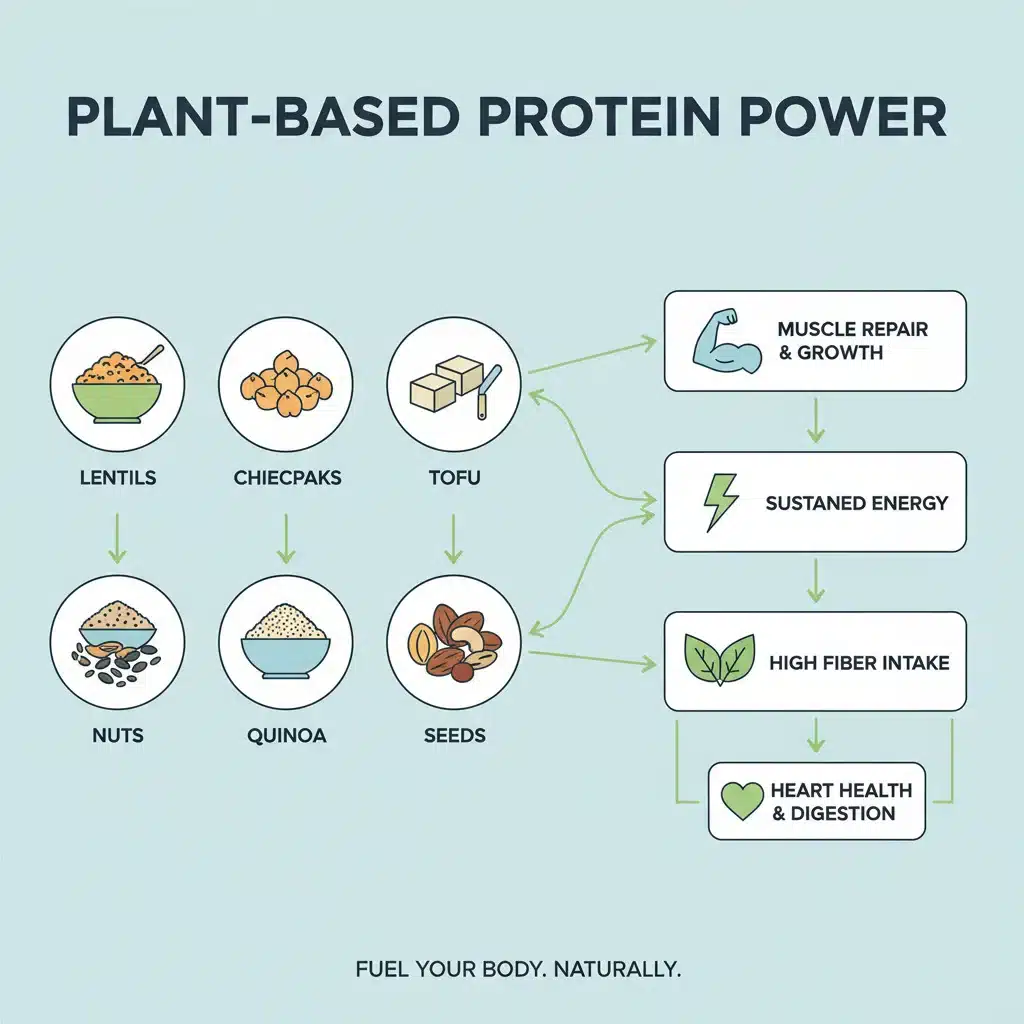
One of the most common misconceptions about plant-based diets is the difficulty in obtaining sufficient protein. However, the plant kingdom offers a vast array of excellent protein sources. To optimize your plant based performance, aim for a diverse intake of:
- Legumes: Lentils, chickpeas, black beans, kidney beans, edamame
- Whole Grains: Quinoa, oats, brown rice, whole wheat pasta
- Nuts and Seeds: Almonds, walnuts, chia seeds, flax seeds, hemp seeds
- Soy Products: Tofu, tempeh, edamame
- Certain Vegetables: Spinach, broccoli, peas
Combining different plant protein sources throughout the day ensures you get all essential amino acids. For instance, a meal of rice and beans, or hummus with whole-wheat pita, provides a complete protein profile.
3. Optimize Healthy Fats for Brain and Body
Healthy fats are crucial for hormone production, nutrient absorption, and sustained energy. Incorporate sources like:
- Avocado: Rich in monounsaturated fats.
- Nuts and Seeds: Provide omega-3 and omega-6 fatty acids (especially flax, chia, and walnuts).
- Olive Oil: A staple for cooking and dressings.
Omega-3 fatty acids, particularly EPA and DHA, are vital for brain health and reducing inflammation. While plants provide ALA (alpha-linolenic acid), which converts to EPA and DHA, this conversion can be inefficient. Consider a plant-based omega-3 supplement derived from algae to ensure optimal intake, further enhancing your plant based performance.
4. Embrace Complex Carbohydrates for Sustained Energy
Carbohydrates are your body’s primary fuel source. For sustained energy and to avoid blood sugar spikes and crashes, focus on complex carbohydrates:
- Whole Grains: Oats, quinoa, brown rice, barley, whole wheat bread.
- Starchy Vegetables: Sweet potatoes, potatoes, corn, peas.
- Legumes: Beans, lentils.
These foods provide a slow, steady release of glucose into the bloodstream, fueling your muscles and brain for extended periods. This is especially important for endurance activities and long workdays.
5. Don’t Forget Micronutrients and B12
While a varied plant-based diet provides most essential vitamins and minerals, certain micronutrients require attention:
- Vitamin B12: This is the only vitamin not reliably found in plant foods. It is crucial for nerve function and red blood cell formation. Supplementation is highly recommended for all plant-based eaters.
- Iron: Found in lentils, spinach, fortified cereals, and pumpkin seeds. Pair iron-rich foods with Vitamin C (e.g., citrus fruits, bell peppers) to enhance absorption.
- Calcium: Abundant in fortified plant milks, tofu, leafy greens (collard greens, kale), and sesame seeds.
- Vitamin D: Essential for bone health and immune function. Sunlight exposure is key, but supplementation may be necessary, especially in less sunny climates.
- Iodine: Found in sea vegetables (nori, dulse) or iodized salt.
- Zinc: Present in pumpkin seeds, cashews, lentils, and oats.
Monitoring these micronutrients is vital for robust health and maximizing your plant based performance potential.
The 3-Month Plan: Boosting Energy by 25%
Achieving a 25% energy boost in three months requires a structured yet flexible approach. This plan focuses on gradual integration, nutritional optimization, and mindful eating.
Month 1: Transition and Foundation Building
The first month is about transitioning to a more plant-centric diet and establishing fundamental habits.
- Phase 1 (Weeks 1-2): Gradual Introduction. Start by incorporating one plant-based meal per day, gradually increasing to two. Focus on replacing processed foods with whole plant foods. Experiment with new recipes and ingredients.
- Phase 2 (Weeks 3-4): Nutrient Awareness. Begin tracking your food intake (using an app or journal) to ensure adequate protein, healthy fats, and complex carbohydrates. Pay attention to your energy levels before and after meals. Introduce a B12 supplement.
- Focus: Hydration. Drink plenty of water throughout the day.
- Goal: Feel a subtle increase in energy and improved digestion.
Month 2: Optimization and Fine-Tuning
Now that you’re comfortable with plant-based eating, it’s time to optimize for performance.
- Phase 1 (Weeks 5-6): Macro Balance. Adjust your macronutrient ratios based on your activity level. Athletes may need higher carbohydrate intake, while those focusing on mental clarity might prioritize healthy fats. Consult a plant-based dietitian if unsure.
- Phase 2 (Weeks 7-8): Micronutrient Focus. Ensure you’re getting enough iron, calcium, and zinc. Incorporate fortified foods and diverse leafy greens. Consider a plant-based omega-3 supplement if not regularly consuming flax/chia.
- Focus: Meal Timing. Experiment with pre- and post-workout nutrition.
- Goal: Noticeable improvement in sustained energy, faster recovery, and better focus. You should be feeling significantly more energetic.
Month 3: Peak Performance and Habit Reinforcement
This month is about solidifying habits and experiencing the full benefits of enhanced plant based performance.
- Phase 1 (Weeks 9-10): Listen to Your Body. Pay close attention to how different foods affect your energy, mood, and performance. Fine-tune your diet based on these observations.
- Phase 2 (Weeks 11-12): Advanced Strategies. Explore advanced plant-based superfoods like spirulina, chlorella, or adaptogens if desired. Focus on consistency and enjoy the vibrancy of your new energy levels.
- Focus: Sleep and Stress Management. These are critical for maximizing energy output, regardless of diet.
- Goal: A consistent 25% increase in energy, improved physical performance, enhanced mental clarity, and a feeling of overall well-being.
Meal Planning for Sustained Energy and Performance
Effective meal planning is key to consistent plant based performance. Here’s a sample day to inspire your journey:
Breakfast: Power-Packed Start
- Option 1: Overnight oats with chia seeds, flax seeds, berries, and a scoop of plant-based protein powder (pea or hemp).
- Option 2: Tofu scramble with spinach, bell peppers, nutritional yeast (for cheesy flavor and B vitamins), and a side of whole-wheat toast with avocado.
Lunch: Fuel for Focus
- Option 1: Large Buddha bowl with quinoa, roasted sweet potatoes, black beans, mixed greens, avocado, and a tahini-lemon dressing.
- Option 2: Lentil soup with a generous portion of whole-grain bread and a side salad.
Snacks: Bridging the Gaps
- Apple slices with almond butter.
- Handful of mixed nuts and seeds.
- Hummus with carrot sticks and cucumber slices.
- Small smoothie with plant milk, banana, spinach, and a few walnuts.
Dinner: Recovery and Replenishment
- Option 1: Chickpea and vegetable curry with brown rice.
- Option 2: Tempeh stir-fry with a variety of colorful vegetables and a side of soba noodles.
Hydration and Supplements
- Throughout the day, drink plenty of water, herbal teas, and unsweetened plant milks.
- Don’t forget your B12 supplement daily, and consider omega-3 if your diet is not rich in ALA sources.
Debunking Common Myths About Plant-Based Performance
Despite growing evidence, several myths persist about plant-based diets, especially concerning performance. Let’s address them to ensure your path to enhanced plant based performance is clear.
Myth 1: You Can’t Get Enough Protein
As discussed, the plant kingdom offers abundant protein sources. The key is variety and adequate calorie intake. Plant proteins might not always be ‘complete’ individually, but consumed throughout the day, they provide all essential amino acids. Many plant-based athletes, from weightlifters to endurance runners, thrive on this diet, proving that protein deficiency is rarely an issue when consuming enough calories from diverse plant sources.
Myth 2: Plant-Based Diets Lack Essential Nutrients
While certain nutrients like B12 require supplementation, a well-planned plant-based diet is often richer in many vitamins, minerals, and antioxidants than a standard omnivorous diet. It’s typically higher in fiber, Vitamin C, and magnesium, and lower in saturated fat and cholesterol. The emphasis on whole foods naturally leads to a more nutrient-dense intake.
Myth 3: Plant-Based Diets are Expensive or Restrictive
Basic plant-based staples like rice, beans, lentils, pasta, and seasonal vegetables are often more affordable than meat and dairy. While some specialty vegan products can be pricey, focusing on whole foods keeps costs down. Far from restrictive, a plant-based diet opens up a world of culinary exploration with diverse ingredients and flavors.
Myth 4: You’ll Feel Weak or Low on Energy
Initially, during the transition phase, some individuals might experience temporary dips in energy as their body adjusts. However, once adapted and properly fueled, most people report increased, sustained energy. The complex carbohydrates and high fiber content provide a steady energy supply, preventing the post-meal sluggishness often associated with heavy, animal-based meals. This is precisely why we’re targeting a 25% energy boost in this guide for optimal plant based performance.
Beyond Nutrition: A Holistic Approach to Peak Performance
While nutrition is a cornerstone, achieving peak plant based performance also involves integrating other crucial lifestyle factors. A holistic approach ensures you’re not just fueling your body, but also nurturing your mind and spirit.
Quality Sleep: Your Performance Multiplier
No amount of perfect nutrition can compensate for inadequate sleep. During sleep, your body repairs muscles, consolidates memories, and regulates hormones crucial for energy and mood. Aim for 7-9 hours of quality sleep per night. Establish a consistent sleep schedule, create a dark and cool sleep environment, and limit screen time before bed. Optimal sleep dramatically enhances your body’s ability to utilize the nutrients from your plant-based diet, maximizing your energy boost.
Stress Management: Taming the Energy Drainer
Chronic stress is a silent energy thief. It elevates cortisol levels, which can lead to fatigue, weight gain, and impaired cognitive function. Incorporate stress-reducing practices into your daily routine:
- Mindfulness and Meditation: Even 10-15 minutes a day can significantly reduce stress and improve focus.
- Yoga and Deep Breathing: These practices calm the nervous system and promote relaxation.
- Time in Nature: Spending time outdoors has been shown to lower stress hormones and boost mood.
- Hobbies and Social Connection: Engage in activities you enjoy and connect with loved ones to foster a sense of well-being.
Managing stress allows your body to direct more energy towards performance and recovery, rather than fighting a constant state of alert. This is essential for sustained plant based performance.

Consistent Movement: The Body’s Natural Energizer
Regular physical activity, even moderate, boosts circulation, improves mood, and enhances overall energy levels. You don’t need to be an elite athlete; simply moving your body daily makes a difference. Whether it’s walking, cycling, dancing, or strength training, find activities you enjoy and make them a consistent part of your life. Exercise not only burns calories but also improves mitochondrial function, the powerhouses of your cells, leading to more efficient energy production from your plant-based fuel.
Mindful Eating: Connecting with Your Food
Beyond what you eat, how you eat plays a significant role in energy and digestion. Mindful eating involves paying attention to your food – its taste, texture, and smell – and recognizing your body’s hunger and fullness cues. Eating slowly, without distractions, improves digestion and nutrient absorption. It also fosters a healthier relationship with food, reducing stress around meals and enhancing the overall enjoyment and benefit of your plant-based diet.
The Future is Plant-Powered: Sustaining Your Energy Boost
By following this 2026 guide to plant-based eating, you are not just aiming for a temporary energy boost; you are building a sustainable foundation for long-term health and peak performance. The 25% energy increase you aim for in three months is just the beginning. As your body adapts and thrives on this nutrient-rich diet, you will likely experience a myriad of other benefits:
- Improved Cognitive Function: Enhanced focus, clarity, and memory due to reduced inflammation and optimal brain nutrition.
- Better Mood and Mental Well-being: A healthy gut microbiome, fueled by fiber, produces neurotransmitters that positively impact mood.
- Enhanced Athletic Performance: Greater endurance, faster recovery, and reduced risk of injury.
- Sustainable Health: A reduced risk of chronic diseases such as heart disease, type 2 diabetes, and certain cancers.
- Environmental Impact: Contributing to a more sustainable planet by choosing foods with a lower ecological footprint.
Embracing plant based performance is a journey, not a destination. There will be learning curves and new discoveries. Be patient with yourself, celebrate small victories, and don’t be afraid to experiment with new recipes and ingredients. The plant kingdom is incredibly diverse, offering endless possibilities for delicious, nourishing meals.
Remember to stay informed, as nutritional science is constantly evolving. Follow reputable plant-based nutrition experts, read scientific journals, and consider consulting with a plant-based dietitian or nutritionist to personalize your plan, especially if you have specific health conditions or performance goals.
Conclusion: Your Path to Unprecedented Vitality
The year 2026 marks a pivotal moment for understanding the profound impact of diet on human potential. This guide has provided you with the blueprint to harness the incredible power of plant-based eating to achieve a 25% energy boost within three months and sustain peak performance for years to come. By focusing on whole foods, mastering your macronutrients, paying attention to micronutrients, and integrating holistic lifestyle practices, you are setting yourself up for unprecedented vitality.
Say goodbye to energy slumps and hello to sustained vigor, enhanced mental clarity, and a body that feels optimized and resilient. The journey to superior plant based performance is an investment in yourself, an investment that promises incredible returns in every aspect of your life. Start today, and watch as you transform into the most energetic, focused, and high-performing version of yourself. Your future self will thank you.