Addiction Recovery Cost: Untreated vs. Treatment in 2026
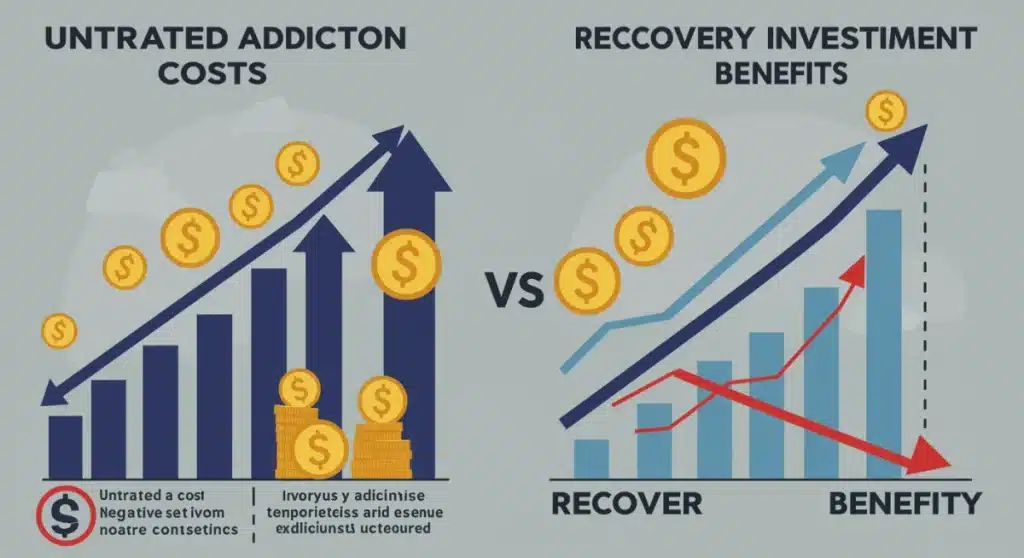
The shadow of addiction casts a long and devastating pall over individuals, families, and society as a whole. While the human toll is immeasurable, the financial implications are equally staggering, often underestimated, and frequently misunderstood. As we look towards 2026, understanding the true addiction recovery cost versus the burgeoning expenses of untreated addiction becomes not just a matter of public health, but a critical economic imperative. This comprehensive analysis delves into the multifaceted financial landscape of addiction, comparing the upfront investment in recovery with the spiraling, long-term economic drain of leaving addiction unaddressed.
Addiction is a chronic, relapsing brain disease characterized by compulsive drug seeking and use despite harmful consequences. It affects millions worldwide, and its tentacles reach into every corner of life, impacting employment, healthcare, the justice system, and overall societal productivity. The financial burden is not merely the cost of the substance itself; it encompasses a complex web of direct and indirect expenses that accumulate over time. Conversely, investing in effective addiction recovery programs offers a pathway not only to individual healing but also to significant economic returns.
This article aims to provide a detailed breakdown of these costs, offering a clear picture of why early intervention and sustained support for addiction recovery are not just compassionate choices, but economically prudent ones. We will explore the various components of costs associated with both scenarios, from healthcare expenditures and lost productivity to legal ramifications and social services. By 2026, with evolving healthcare policies and economic shifts, these figures are projected to continue their upward trajectory, making this discussion more relevant than ever.
The Escalating Costs of Untreated Addiction in 2026
The decision to not pursue addiction recovery is, in essence, a decision to incur a multitude of escalating costs. These expenses are often hidden, diffuse, and far exceed the direct costs of acquiring the addictive substance. By 2026, these figures are anticipated to reach unprecedented levels, driven by inflation, the increasing potency of illicit drugs, and the growing complexity of healthcare and social systems.
Direct Healthcare Costs
Untreated addiction places an immense strain on healthcare systems. Individuals struggling with substance use disorders often experience a range of physical and mental health complications that require extensive and often emergency medical care. These include:
- Emergency Room Visits: Overdoses, intoxication, withdrawal symptoms, and addiction-related injuries frequently lead to emergency room visits, which are among the most expensive forms of medical care.
- Chronic Health Conditions: Long-term substance abuse can lead to severe chronic conditions such as liver disease, heart disease, lung damage, neurological disorders, and increased susceptibility to infectious diseases like HIV/AIDS and hepatitis. Managing these conditions requires ongoing medical treatment, medication, and specialist care, significantly driving up the addiction recovery cost comparison.
- Mental Health Co-morbidity: Addiction frequently co-occurs with mental health disorders. Untreated addiction often exacerbates existing mental health issues or triggers new ones, leading to increased need for psychiatric care, therapy, and psychotropic medications.
- Hospitalizations: Severe complications, detoxifications, and psychiatric crises often necessitate inpatient hospitalizations, which are costly and resource-intensive.
Lost Productivity and Economic Output
One of the most significant, yet often overlooked, costs of untreated addiction is the profound impact on productivity and economic output. This affects both the individual and the broader economy:
- Absenteeism and Presenteeism: Individuals struggling with addiction are more likely to miss work (absenteeism) or be present at work but underperforming due to the effects of substance use or withdrawal (presenteeism). This directly reduces company output and profitability.
- Unemployment and Underemployment: Addiction can lead to job loss, difficulty securing new employment, or being stuck in low-wage jobs due to impaired cognitive function, unreliable attendance, or legal issues. This results in lost wages, reduced tax contributions, and increased reliance on social welfare programs.
- Premature Mortality: Overdoses, addiction-related accidents, and chronic health conditions can lead to premature death, resulting in the loss of human capital and future economic contributions.
- Impaired Decision-Making: Addiction can impair judgment and decision-making abilities, leading to poor financial choices, legal troubles, and a general inability to manage personal and professional responsibilities, further impacting economic stability.
Criminal Justice System Expenses
The link between untreated addiction and involvement in the criminal justice system is well-established, contributing substantially to the overall societal cost:
- Arrests and Incarceration: Drug-related offenses, crimes committed to support a drug habit, and public order offenses often lead to arrests, court proceedings, and incarceration. The cost of maintaining prisons and jails is enormous, and a significant portion is attributable to individuals with substance use disorders.
- Law Enforcement Resources: Police time, investigations, and resources are diverted to address drug-related crime, reducing their capacity to respond to other public safety concerns.
- Legal Fees and Court Costs: Public defenders, prosecutors, and court administrative costs add up rapidly for each case involving addiction.
- Probation and Parole: Monitoring individuals on probation or parole for drug offenses requires significant resources.
Social and Family Costs
Beyond the direct financial figures, untreated addiction imposes immense social and familial costs that are difficult to quantify but profoundly impactful:
- Child Neglect and Abuse: Parental addiction is a major factor in child neglect and abuse cases, often leading to foster care placements, which are costly for social services.
- Family Strain: Addiction strains family relationships, leading to divorce, domestic violence, and emotional trauma for all family members. This can result in increased need for counseling and support services.
- Homelessness: Addiction is a significant contributor to homelessness, requiring emergency shelters, social welfare programs, and increased public health interventions.
- Reduced Quality of Life: For individuals and their families, untreated addiction significantly diminishes overall quality of life, marked by instability, despair, and a constant struggle for survival.
By 2026, the cumulative effect of these untreated addiction costs is projected to be in the hundreds of billions, if not trillions, of dollars annually worldwide. This stark reality underscores the urgency of investing in effective addiction recovery initiatives.
The Investment in Addiction Recovery: A Pathway to Savings and Well-being
While the initial investment in addiction recovery can seem substantial, it pales in comparison to the long-term, compounding costs of untreated addiction. Addiction recovery is not merely an expense; it is a critical investment that yields significant returns, both human and economic.
Components of Addiction Recovery Cost
The addiction recovery cost can vary widely depending on the type, duration, and intensity of treatment. These include:
- Detoxification (Detox): Medically supervised detox is often the first step, ensuring a safe withdrawal from substances. Costs depend on the substance, severity of dependence, and length of stay.
- Inpatient/Residential Treatment: This involves living in a treatment facility for a period (typically 30-90 days, or longer), providing intensive therapy, counseling, and medical care in a structured environment. These are often the most expensive options but offer the highest level of support.
- Outpatient Treatment: Less intensive than residential, outpatient programs allow individuals to live at home while attending therapy sessions and group meetings at a facility. Costs are generally lower, making it a more accessible option for many.
- Medication-Assisted Treatment (MAT): MAT combines behavioral therapy with medications (e.g., methadone, buprenorphine, naltrexone) to treat substance use disorders. This is often an ongoing cost but is highly effective in preventing relapse.
- Therapy and Counseling: Individual, group, and family therapy are integral to recovery, addressing underlying issues, developing coping mechanisms, and rebuilding relationships.
- Aftercare and Sober Living: Post-treatment support, including sober living homes, ongoing therapy, support groups (like AA/NA), and relapse prevention programs, are crucial for long-term sobriety and incur ongoing, though generally lower, costs.
The good news is that insurance coverage for addiction treatment has expanded significantly in recent years, particularly under legislation like the Affordable Care Act and parity laws. By 2026, access to varied treatment options is expected to improve further, making the initial addiction recovery cost more manageable for individuals.

The Economic Returns of Addiction Recovery
Investing in addiction recovery generates substantial economic benefits that far outweigh the initial treatment costs. These returns are observed across multiple sectors:
- Reduced Healthcare Expenditures: Successful recovery significantly reduces emergency room visits, hospitalizations, and the need for ongoing treatment of addiction-related chronic diseases. This leads to substantial long-term savings for individuals and healthcare systems.
- Increased Productivity and Employment: Recovering individuals are more likely to secure and maintain stable employment, leading to increased wages, higher tax contributions, and reduced reliance on social welfare. Their improved focus and reliability contribute to overall economic productivity.
- Decreased Criminal Justice System Costs: Recovery leads to a dramatic reduction in arrests, incarcerations, and other interactions with the criminal justice system, freeing up valuable resources and saving taxpayer money. Studies consistently show that every dollar invested in addiction treatment saves multiple dollars in criminal justice costs.
- Improved Social and Family Well-being: Stable recovery leads to healthier family environments, reduced instances of child neglect and abuse, and a stronger social fabric. This reduces the strain on social services and fosters more productive citizens.
- Enhanced Quality of Life: Beyond monetary values, recovery restores an individual’s dignity, purpose, and overall quality of life. This human capital cannot be quantified but is fundamental to a thriving society.
Research consistently demonstrates a significant return on investment for addiction treatment. For instance, studies have shown that for every dollar spent on substance abuse treatment, there is a return of $4 to $7 in reduced crime, criminal justice costs, and theft. When healthcare savings are included, the total savings can exceed a 12:1 ratio. These figures underscore the economic wisdom of prioritizing addiction recovery.
Navigating the Financial Landscape of Addiction Recovery in 2026
For individuals and families grappling with addiction, the financial aspect can be a significant barrier to seeking help. However, understanding the available resources and options is crucial. By 2026, the landscape of funding for addiction recovery is expected to continue evolving.
Insurance Coverage and Parity Laws
The Mental Health Parity and Addiction Equity Act (MHPAEA) requires most health plans to cover mental health and substance use disorder services no more restrictively than medical and surgical services. This means co-pays, deductibles, and visit limits for addiction treatment should be comparable to those for physical health conditions. It’s vital for individuals to understand their insurance benefits and advocate for their rights.
Government Funding and Public Programs
Federal and state governments allocate funds for addiction treatment and prevention. Agencies like the Substance Abuse and Mental Health Services Administration (SAMHSA) provide grants to states and organizations to expand access to services. Medicaid and Medicare also cover a range of addiction treatment options, providing a safety net for many low-income individuals and seniors.
Sliding Scale Fees and Scholarships
Many treatment centers offer sliding scale fees based on income, making treatment more affordable. Additionally, some non-profit organizations and private donors offer scholarships or financial aid to help individuals cover the addiction recovery cost. It’s always worth inquiring about these options directly with treatment providers.
Community Support and Free Resources
While not direct financial aid, community support groups like Alcoholics Anonymous (AA) and Narcotics Anonymous (NA) provide invaluable, free support networks that are critical to long-term recovery. These groups offer a sense of belonging, shared experience, and guidance that complements formal treatment and significantly reduces the overall cost of maintaining sobriety.

The Long-Term Economic Outlook: Recovery as a Societal Investment
Looking ahead to 2026 and beyond, the economic argument for robust investment in addiction recovery becomes even stronger. As populations age, healthcare costs rise, and the workforce evolves, the negative impact of untreated addiction will only intensify. Conversely, a society that prioritizes accessible and effective addiction treatment will reap benefits across multiple generations.
Breaking the Cycle of Generational Addiction
Addiction often runs in families, creating a devastating cycle. Investing in a parent’s recovery can break this cycle, preventing future generations from experiencing the same struggles and associated costs. This intergenerational impact represents an enormous long-term saving in human potential and economic burden.
Strengthening the Workforce and Economy
A healthy, sober workforce is a productive workforce. By facilitating recovery, society strengthens its human capital, boosts economic output, and reduces the strain on social security and welfare systems. This is particularly crucial in an era where labor shortages and skill gaps are growing concerns.
Reducing Public Safety Burdens
A decrease in addiction-related crime and violence creates safer communities, reduces the workload on law enforcement, and allows criminal justice resources to be directed towards other pressing issues. This societal benefit is a direct outcome of successful addiction recovery initiatives.
Promoting Public Health and Well-being
Beyond the direct financial costs, untreated addiction erodes public health and overall community well-being. Investing in recovery enhances the health of the population, reduces the spread of infectious diseases, and fosters a more resilient and compassionate society. The addiction recovery cost is an investment in public health infrastructure.
Conclusion: The Undeniable Value of Addiction Recovery
The financial impact of addiction is profound and far-reaching. As we analyze the landscape of 2026, it becomes unequivocally clear that the costs associated with untreated addiction vastly overshadow the investment required for effective addiction recovery. From direct healthcare expenses and lost productivity to criminal justice system burdens and immeasurable social costs, untreated addiction is an unsustainable economic drain.
Conversely, investing in addiction recovery is not merely a humanitarian gesture; it is a sound economic strategy. The returns on this investment are tangible and significant, manifesting as reduced healthcare costs, increased economic productivity, lower crime rates, and stronger, healthier communities. While the initial addiction recovery cost may seem daunting, the long-term savings and societal benefits make it one of the most critical public health and economic investments we can make.
For individuals and families facing addiction, understanding these financial realities can empower them to seek help, knowing that the journey to recovery, while challenging, is ultimately the most cost-effective and life-affirming path forward. For policymakers and healthcare providers, this data serves as a compelling call to action: to expand access, reduce barriers, and continue to champion comprehensive addiction recovery services as an essential component of a thriving society.