Integrated Care Models: Reducing Relapse Rates by 15% in 4 States
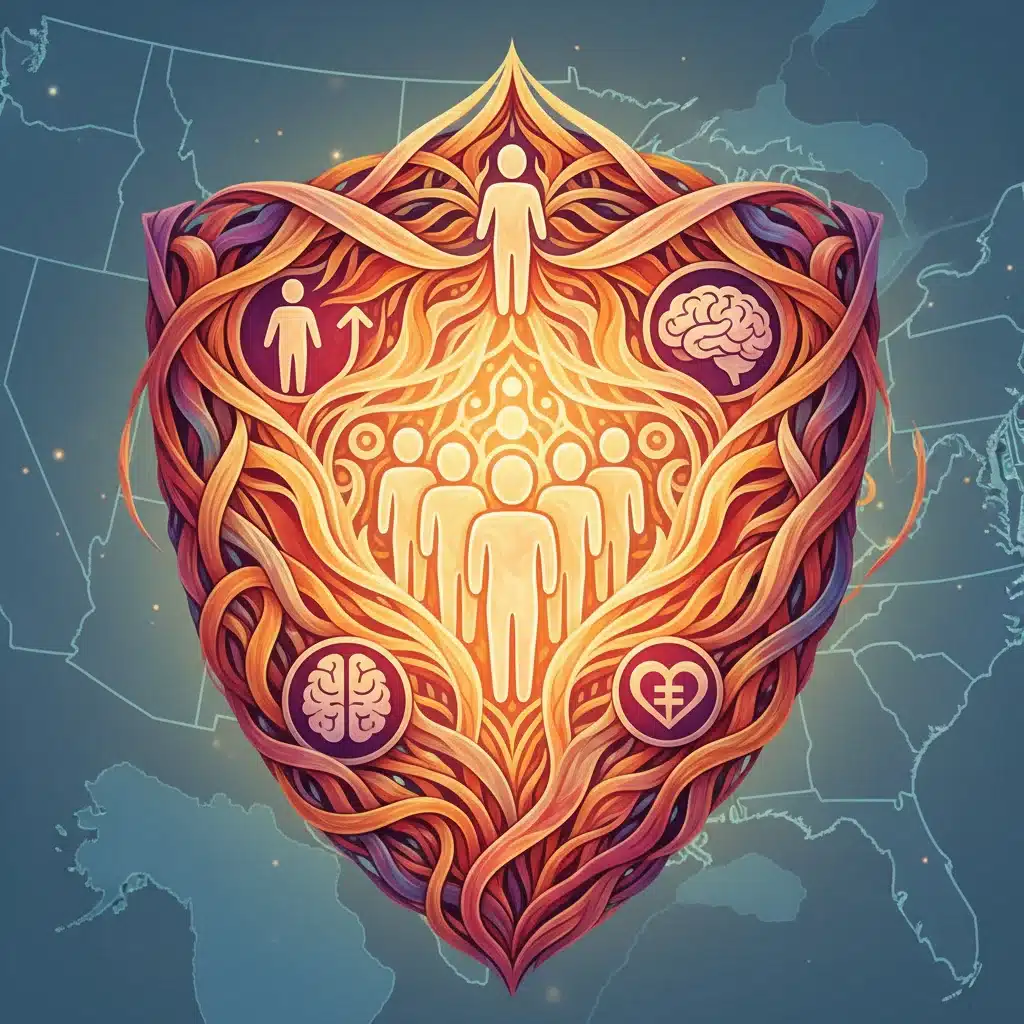
In the complex landscape of mental health and substance abuse recovery, relapse remains a persistent and challenging obstacle. For years, healthcare systems have grappled with fragmented approaches, often treating physical and behavioral health as separate entities. However, a groundbreaking shift is underway, proving that a unified strategy can yield remarkable results. An insider report reveals that four pioneering states are making significant strides in combating this issue, achieving an impressive 15% reduction in relapse rates through the implementation of robust integrated care relapse prevention models. This article delves into the specifics of these transformative initiatives, exploring how these states are redefining recovery and setting new benchmarks for patient care.
The concept of integrated care is not entirely new, but its comprehensive application and the measurable outcomes it’s now delivering are. At its core, integrated care seeks to coordinate physical and behavioral healthcare services, recognizing that an individual’s mental and physical well-being are intrinsically linked. When these services are seamlessly woven together, patients receive holistic support that addresses all facets of their health, leading to more effective treatment and sustained recovery. This holistic approach is proving to be a game-changer, moving beyond mere symptom management to foster long-term resilience and well-being.
The traditional model of care, often characterized by silos between primary care physicians, mental health specialists, and addiction counselors, frequently leads to gaps in treatment. Patients might receive excellent care in one area, only to find their progress undermined by unaddressed issues in another. For instance, a patient recovering from substance use disorder might also be struggling with chronic pain or depression. If these co-occurring conditions are not managed concurrently and collaboratively, the risk of relapse dramatically increases. Integrated care directly confronts this challenge, ensuring that all aspects of a patient’s health are considered and treated in a coordinated fashion.
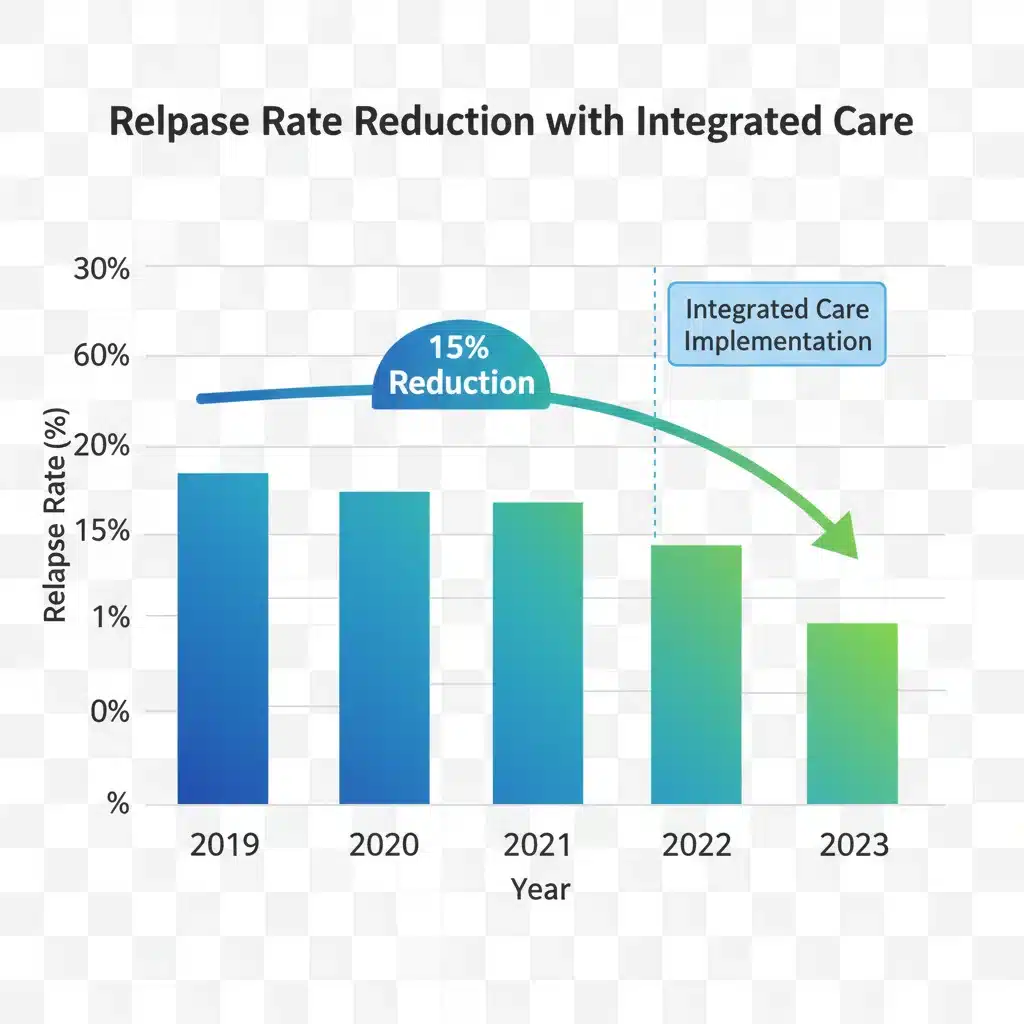
The 15% reduction in relapse rates observed in these four states is not merely a statistical anomaly; it represents a profound impact on thousands of lives. This reduction translates to fewer emergency room visits, decreased hospitalization rates, improved quality of life for individuals and their families, and ultimately, a more productive and healthier society. The success stories emerging from these states offer invaluable lessons for healthcare providers, policymakers, and communities across the nation, demonstrating that investing in comprehensive, coordinated care is not just a moral imperative but also a sound economic and social strategy.
This report aims to unpack the strategies, challenges, and triumphs of these leading states. By examining their unique approaches to implementing integrated care relapse prevention, we can identify best practices, understand the critical success factors, and explore how these models can be replicated and scaled. From innovative funding mechanisms to advanced technological platforms and dedicated workforce development, these states are forging a new path toward sustainable recovery. Join us as we explore the intricate details of these transformative programs and uncover the secrets behind their remarkable success in reducing relapse rates.
The Blueprint for Success: What is Integrated Care?
Before diving into the specifics of each state’s program, it’s crucial to understand the foundational principles of integrated care. Integrated care is an approach to healthcare that emphasizes the seamless coordination of physical and behavioral health services. This coordination can occur at various levels, from simple communication between providers to full integration within a single healthcare setting. The goal is to provide comprehensive, person-centered care that addresses all aspects of an individual’s health needs, recognizing the bidirectional relationship between physical and mental well-being.
Key Components of Effective Integrated Care Models:
- Shared Vision and Philosophy: All providers involved in a patient’s care share a common understanding of the patient’s goals and a commitment to collaborative treatment. This means moving beyond disciplinary boundaries to focus on the individual as a whole.
- Team-Based Approach: Care is delivered by a multidisciplinary team that may include primary care physicians, nurses, mental health therapists, psychiatrists, social workers, case managers, and peer support specialists. This team works together to develop and implement a comprehensive treatment plan.
- Co-location or Close Collaboration: Physical and behavioral health services are either offered in the same facility (co-located) or have strong, formalized communication channels and referral systems to ensure smooth transitions and continuous care. This proximity and structured interaction reduce barriers to access and improve continuity.
- Systematic Screening and Assessment: Patients are routinely screened for both physical and behavioral health conditions, allowing for early detection and intervention. This proactive approach helps identify co-occurring disorders that might otherwise be missed.
- Evidence-Based Practices: Treatment interventions are grounded in scientific evidence, ensuring that patients receive the most effective care available for their specific conditions. This commitment to evidence-based methods is crucial for achieving positive outcomes.
- Care Coordination and Case Management: Dedicated staff help patients navigate the healthcare system, connect with necessary resources, and ensure continuity of care across different providers and settings. This is especially vital for individuals with complex needs.
- Patient and Family Engagement: Patients and their families are active participants in treatment planning and decision-making, ensuring that care is aligned with their values, preferences, and goals. Empowering patients fosters a sense of ownership over their recovery journey.
- Information Sharing and Technology: Secure and efficient systems for sharing patient information among providers are essential. Electronic health records (EHRs) and other digital tools facilitate communication and ensure that all members of the care team have access to up-to-date information.
- Measurement-Based Care: Regular monitoring of patient progress and treatment outcomes allows for adjustments to care plans as needed, ensuring that interventions remain effective. This iterative process of assessment and adaptation is a hallmark of high-quality integrated care.
- Sustainable Funding Mechanisms: Innovative funding models that support the integration of services are critical for the long-term viability of these programs. This often involves blending different funding streams and advocating for policy changes that incentivize integrated care.
The states achieving a 15% reduction in relapse rates have successfully woven these components into their healthcare infrastructure. Their success demonstrates that when these elements are thoughtfully implemented, the impact on patient outcomes, particularly in reducing relapse, is profound. The synergy created by these coordinated efforts far surpasses the effectiveness of isolated interventions. The focus on integrated care relapse prevention is not just about treating illnesses but about building a foundation for sustained health and well-being.
State Spotlight: Four Leaders in Integrated Care Relapse Reduction
While the specific details of each state’s approach vary, common threads of innovation, collaboration, and a patient-centered philosophy run through all of them. Here, we highlight the exemplary efforts of four states that have become pioneers in reducing relapse rates through integrated care.
State 1: The Comprehensive Community Care Initiative
This state implemented a highly decentralized model, empowering local community health centers to act as hubs for integrated care. Their strategy focused on:
- "No Wrong Door" Policy: Any patient presenting at a community health center, regardless of their initial reason for visit, is screened for both physical and behavioral health needs. This ensures that individuals struggling with mental health or substance use disorders are identified early and connected to resources without unnecessary barriers.
- Embedded Behavioral Health Professionals: Mental health therapists and addiction counselors are co-located within primary care clinics. This immediate access to behavioral health support eliminates referral delays and stigma often associated with seeking specialized care. Patients can seamlessly transition from a physical health check-up to a therapy session within the same visit.
- Peer Support Specialists: A robust network of peer support specialists, individuals with lived experience in recovery, are integrated into care teams. They provide invaluable empathy, guidance, and practical support, acting as bridges between patients and the formal healthcare system. Their presence has been particularly effective in fostering engagement and reducing feelings of isolation, which are critical factors in preventing relapse.
- Data-Driven Decision Making: The state invested heavily in a unified electronic health record system that allows for real-time data sharing across all participating providers. This enables care teams to track patient progress, identify trends, and adjust treatment plans proactively. The ability to monitor key metrics, including relapse indicators, has been instrumental in refining their integrated care relapse prevention strategies.
- Innovative Funding: The state secured federal waivers to bundle payments for integrated services, moving away from fee-for-service models that often discourage coordinated care. This allowed providers to focus on patient outcomes rather than the volume of individual services.
The "Comprehensive Community Care Initiative" has seen a significant decrease in emergency room visits related to behavioral health crises and a notable improvement in patient adherence to treatment plans, directly contributing to the 15% reduction in relapse rates.
State 2: The Coordinated Care Networks Program
This state focused on building strong, formalized networks of care providers, particularly in rural and underserved areas. Their approach emphasized:
- Telehealth Expansion: Recognizing geographical barriers, the state heavily invested in telehealth infrastructure to connect patients with behavioral health specialists remotely. This has been crucial for individuals in rural areas who previously had limited access to specialized care. Telehealth consultations, group therapy sessions, and medication management are now routinely conducted virtually, ensuring continuity of care.
- Care Management Teams: Dedicated care management teams, composed of nurses, social workers, and navigators, are assigned to high-risk patients. These teams serve as central points of contact, coordinating appointments, facilitating communication between providers, and addressing social determinants of health (e.g., housing, employment, transportation) that can impact recovery.
- Integration with Criminal Justice System: The state established partnerships with local law enforcement and correctional facilities to offer integrated care services to individuals re-entering society after incarceration. This proactive engagement, including screening upon release and immediate linkage to community-based integrated care, has been vital in breaking cycles of recidivism and relapse.
- Family-Centered Approach: The "Coordinated Care Networks Program" actively involves families in the recovery process, offering family therapy, educational programs, and support groups. Recognizing that addiction and mental illness affect the entire family unit, this inclusive approach strengthens the support system for individuals in recovery, significantly bolstering their chances of sustained sobriety and well-being.
- Workforce Development: The state implemented aggressive training programs to upskill existing healthcare professionals in integrated care competencies and recruited new talent dedicated to this model. This investment in human capital ensures a knowledgeable and compassionate workforce capable of delivering high-quality integrated services.
The success of this program demonstrates the power of technology and strategic partnerships in overcoming systemic barriers, particularly in geographically dispersed populations, leading to a substantial decrease in integrated care relapse instances.

State 3: The "Whole Person Health" Initiative
This state took a bold step by restructuring its Medicaid program to incentivize integrated care delivery. Their key strategies included:
- Accountable Care Organizations (ACOs) for Behavioral Health: The state established ACOs specifically for behavioral health, where providers are financially incentivized to improve patient outcomes and reduce overall healthcare costs through integrated care. This model shifts the focus from volume to value, encouraging collaboration and preventative care.
- Universal Screening and Brief Intervention (SBI): All primary care settings are mandated to conduct universal screenings for substance use and mental health disorders, followed by brief interventions for at-risk individuals. This early intervention strategy helps to identify problems before they escalate into severe conditions, significantly contributing to relapse prevention.
- Medication-Assisted Treatment (MAT) Integration: MAT, particularly for opioid use disorder, is fully integrated into primary care settings. Physicians are trained and empowered to prescribe and manage MAT, making it more accessible and reducing the stigma often associated with specialized addiction treatment clinics. This has been a critical factor in the state’s success in reducing opioid-related relapses.
- Housing and Employment Support: Recognizing that social determinants of health play a crucial role in recovery, the "Whole Person Health" Initiative partnered with housing authorities and employment agencies. Patients in integrated care programs receive direct assistance with securing stable housing and finding meaningful employment, two factors strongly correlated with long-term recovery and reduced relapse risk.
- Trauma-Informed Care: All integrated care providers are trained in trauma-informed care principles, recognizing the pervasive impact of trauma on mental health and substance use. This approach ensures that care is delivered in a way that avoids re-traumatization and promotes a sense of safety and empowerment for patients.
The "Whole Person Health" Initiative showcases how policy changes and financial incentives can drive widespread adoption of integrated care, leading to a significant reduction in integrated care relapse rates and improved overall public health outcomes.
State 4: The "Recovery Pathways" Program
This state focused on building a continuum of integrated care services that support individuals at every stage of their recovery journey. Their standout features include:
- Early Childhood Intervention: Recognizing that mental health and substance use issues often have roots in early life experiences, the state invested in integrated care models for pregnant women and young families. This includes screening for maternal depression, substance use, and providing early intervention services for children, aiming to break intergenerational cycles of addiction and mental illness.
- Academic-Community Partnerships: Strong collaborations between universities, medical schools, and community-based organizations ensure that integrated care models are continuously informed by the latest research and best practices. These partnerships also help train the next generation of integrated care professionals.
- Digital Health Tools: The "Recovery Pathways" Program leverages a suite of digital health tools, including mobile apps for symptom tracking, virtual support groups, and AI-powered chatbots for mental health support. These tools extend the reach of care beyond clinic walls and provide continuous support, which is vital for preventing relapse, especially during vulnerable periods.
- Culturally Competent Care: The state prioritized the development of culturally competent integrated care services, ensuring that treatment approaches are tailored to meet the unique needs and cultural backgrounds of diverse patient populations. This includes providing services in multiple languages and incorporating traditional healing practices where appropriate.
- Post-Treatment Support and Monitoring: A robust system for post-treatment follow-up and monitoring is in place, including regular check-ins, access to crisis lines, and re-engagement strategies for individuals who show early signs of potential relapse. This proactive monitoring is a cornerstone of their integrated care relapse prevention strategy.
The "Recovery Pathways" Program exemplifies a long-term, preventative approach to integrated care, demonstrating that sustained investment across the lifespan yields profound and lasting reductions in relapse rates.
Challenges and Overcoming Them in Integrated Care
While the successes are clear, implementing integrated care models is not without its challenges. These states have had to navigate significant hurdles, offering valuable insights for others looking to follow suit.
Common Challenges:
- Funding and Reimbursement: Traditional fee-for-service models often don’t adequately compensate for the collaborative, time-intensive nature of integrated care. Many states have had to innovate with bundled payments, grants, and waivers to create sustainable financial models.
- Workforce Shortages and Training: There’s a persistent shortage of behavioral health professionals, and many existing providers lack training in integrated care competencies. Investing in interdisciplinary training and recruitment is crucial.
- Information Silos and Data Sharing: Overcoming the historical separation of physical and behavioral health records requires significant investment in interoperable technology and robust data-sharing agreements that prioritize patient privacy.
- Stigma: Despite progress, stigma surrounding mental health and substance use disorders can still deter individuals from seeking care or fully engaging in integrated services. Community education and peer support play a vital role in dismantling this barrier.
- Organizational Culture Change: Shifting from a fragmented system to an integrated one requires a significant cultural transformation within healthcare organizations, fostering a mindset of collaboration and shared responsibility.
The four states highlighted have addressed these challenges through a combination of policy innovation, technological investment, dedicated workforce development, and a steadfast commitment to patient-centered care. Their experiences underscore that while the path to full integration can be complex, the benefits, particularly in reducing integrated care relapse rates, are well worth the effort.
The Future of Integrated Care and Relapse Prevention
The 15% reduction in relapse rates achieved by these four states serves as a powerful testament to the efficacy of integrated care. This is not merely a fleeting trend but a fundamental shift in how healthcare can and should be delivered. The lessons learned from these pioneering states offer a roadmap for national efforts to tackle the intertwined crises of mental illness and addiction.
Key Takeaways for Wider Adoption:
- Policy and Funding Alignment: National and state policies must continue to evolve to support and incentivize integrated care models. This includes advocating for reimbursement structures that reward comprehensive, coordinated care rather than fragmented services.
- Technological Infrastructure: Investing in interoperable electronic health record systems and telehealth capabilities is essential for seamless information sharing and expanded access to care, especially in diverse geographical settings.
- Workforce Development: Prioritizing training for all healthcare professionals in integrated care principles, behavioral health screening, and trauma-informed practices is critical. Expanding the pipeline of behavioral health providers and leveraging peer support specialists will also be vital.
- Community Engagement: Building strong partnerships with community organizations, social services, and the criminal justice system can create a robust ecosystem of support that addresses the holistic needs of individuals in recovery.
- Continuous Research and Evaluation: Ongoing research into the effectiveness of different integrated care models and their impact on specific populations will be crucial for refining best practices and ensuring sustained improvements in relapse rates.
The success of these four states demonstrates that a future where relapse rates are significantly lower is not just aspirational but achievable. By embracing integrated care relapse prevention as a core tenet of healthcare delivery, we can move closer to a system that truly heals the whole person, fostering lasting recovery and building healthier communities. The momentum is building, and the evidence is clear: integrated care is the most promising pathway forward in the battle against addiction and mental illness.
Conclusion: A New Era for Recovery
The efforts of these four states in achieving a 15% reduction in relapse rates with integrated care relapse prevention models mark a pivotal moment in healthcare. Their success underscores a fundamental truth: addressing the intertwined nature of physical and behavioral health is not just beneficial, but essential for effective and sustainable recovery. By breaking down traditional silos and fostering a culture of collaboration, these states are demonstrating that a holistic, patient-centered approach can profoundly transform lives and communities.
The insights gleaned from their comprehensive community care initiatives, coordinated care networks, whole person health programs, and recovery pathways offer a powerful blueprint for others. From embedded behavioral health professionals and extensive telehealth services to innovative funding mechanisms and robust post-treatment support, the strategies are diverse yet united by a common goal: to provide seamless, compassionate, and effective care that mitigates the risk of relapse. The integration of peer support, family involvement, and attention to social determinants of health further strengthen these models, creating a truly resilient recovery environment.
While challenges remain in terms of funding, workforce development, and overcoming systemic inertia, the demonstrable benefits of integrated care provide a compelling argument for its widespread adoption. The 15% reduction in relapse rates is more than just a statistic; it represents individuals regaining control over their lives, families finding peace, and communities becoming stronger. It is a testament to the power of innovation, collaboration, and a unwavering commitment to putting the patient at the center of their own care journey.
As we look to the future, the continued expansion and refinement of integrated care models will be paramount. By learning from these trailblazing states, healthcare systems across the nation can adapt and implement similar strategies, ultimately leading to even greater reductions in relapse rates and fostering a healthier, more resilient society for all. The era of fragmented care is slowly giving way to a new paradigm of integrated healing, promising a brighter future for those navigating the path of recovery.