2026 Overdose Prevention: Critical Harm Reduction for Families
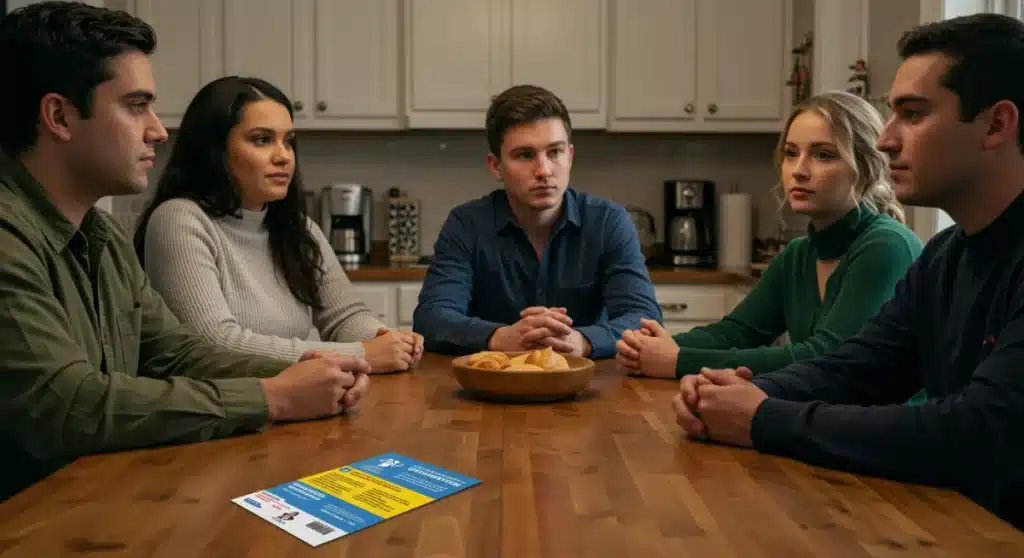
The 2026 Guide to Preventing Overdose: 5 Critical Harm Reduction Strategies for Families
The landscape of public health is constantly evolving, and as we navigate further into the 21st century, the challenge of substance use and overdose remains a pressing concern for countless families worldwide. In 2026, with new data, emerging substances, and a greater understanding of addiction, it’s more crucial than ever for families to be equipped with effective overdose prevention strategies. This comprehensive guide will delve into five critical harm reduction approaches that every family can adopt to safeguard their loved ones and contribute to a safer community.
The opioid crisis, coupled with the increasing prevalence of synthetic opioids like fentanyl in other illicit drugs, has escalated the risk of accidental overdose to unprecedented levels. It’s no longer a distant problem; it affects communities from all walks of life. Recognizing this, harm reduction has emerged as a compassionate and evidence-based approach that prioritizes saving lives and minimizing the negative health and social consequences associated with substance use. For families, embracing harm reduction means shifting from judgment to practical, life-saving interventions.
This article aims to empower you with actionable insights and resources, fostering an environment where open communication, education, and access to vital tools become the cornerstones of your family’s overdose prevention strategies. We’ll explore everything from the essential role of Naloxone to fostering a supportive home environment and understanding the importance of community resources. By the end of this guide, you will have a clear roadmap to implement these critical strategies effectively in your own family context.
Understanding the Evolving Landscape of Overdose in 2026
Before diving into specific overdose prevention strategies, it’s vital to grasp the current realities of substance use and overdose. The year 2026 presents a complex picture. Fentanyl, a potent synthetic opioid, continues to be a major driver of overdose deaths, often unknowingly mixed into other drugs such as heroin, cocaine, and counterfeit pills. This means that even individuals who do not intentionally use opioids are at risk. Polysubstance use, where multiple substances are consumed simultaneously, also significantly increases overdose risk due to unpredictable interactions.
Beyond opioids, stimulants like methamphetamine and cocaine, sometimes laced with fentanyl, also contribute to the overdose crisis. The rise of new psychoactive substances (NPS) further complicates the issue, as their chemical compositions and effects are often unknown and rapidly changing. This dynamic environment underscores the need for families to be vigilant, informed, and proactive in their approach to overdose prevention strategies.
Stigma surrounding substance use disorder (SUD) remains a significant barrier to seeking help. Many individuals and their families fear judgment, which can prevent them from accessing life-saving treatment and support. Harm reduction seeks to dismantle this stigma by acknowledging that substance use is a public health issue requiring compassion and evidence-based solutions, not moral condemnation. For families, this means creating a non-judgmental space where loved ones feel safe to discuss their struggles and seek assistance without fear of reprisal.
The digital age also plays a role in the evolving landscape. Social media and encrypted messaging apps can facilitate access to illicit substances, sometimes without individuals fully understanding the risks involved. Therefore, digital literacy and open conversations about online safety are also becoming increasingly relevant components of modern overdose prevention strategies. Understanding these multifaceted challenges is the first step towards building resilient and effective family-based interventions.
Strategy 1: Equip Your Home with Naloxone and Know How to Use It
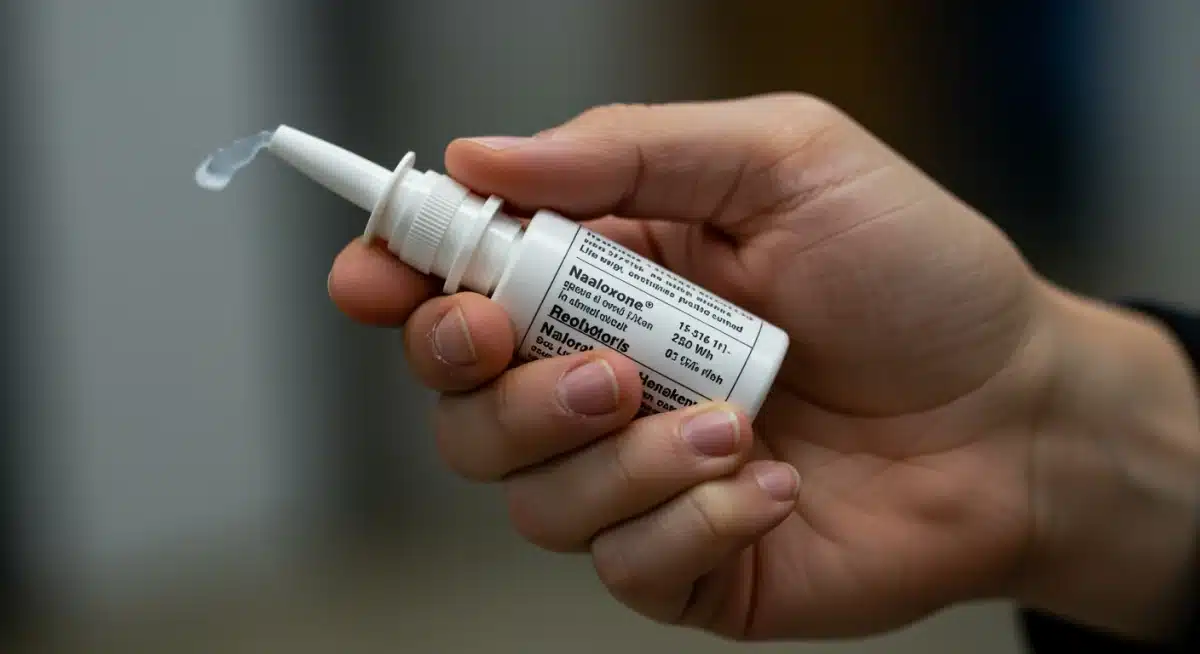
One of the most critical and immediate overdose prevention strategies for families is having Naloxone readily available and knowing how to administer it. Naloxone, often known by the brand name Narcan, is a life-saving medication that can rapidly reverse an opioid overdose. It works by blocking the effects of opioids on the brain, restoring breathing within minutes. It is safe, non-addictive, and has no effect if opioids are not present in the body, making it a crucial tool for emergency situations.
In 2026, Naloxone is more accessible than ever. Many states allow pharmacists to dispense Naloxone without a prescription, and it is often covered by insurance. Families can typically obtain it from local pharmacies, community health centers, or public health programs. It’s imperative not just to have Naloxone, but for all adult family members, and potentially older teenagers, to know how to recognize the signs of an opioid overdose and how to properly administer the medication. Training resources are widely available online, through local health departments, and at community organizations.
- Recognizing an Overdose: Key signs include unresponsiveness, slow or stopped breathing, pinpoint pupils, gurgling or choking sounds, blue or gray lips/fingernails, and limp body.
- Administering Naloxone: Follow the instructions provided with the specific Naloxone product (nasal spray or injectable). Typically, it involves a simple spray into one nostril or an injection into a muscle.
- After Administration: Always call emergency services (911 or local equivalent) immediately, even if the person wakes up. Naloxone’s effects are temporary, and the person may go back into overdose. Stay with them until medical help arrives.
Having Naloxone in your home is akin to having a fire extinguisher or a first-aid kit; it’s a preparedness measure that can save a life. It removes the need for immediate medical professional presence to initiate life-saving measures, buying precious time until emergency services can arrive. This proactive step is an indispensable part of any family’s overdose prevention strategies.
Strategy 2: Implement Safe Storage and Disposal Practices for Medications
Another fundamental aspect of effective overdose prevention strategies revolves around the safe storage and disposal of all medications, particularly prescription opioids, sedatives, and stimulants. Untreated or improperly stored medications can be easily accessed by children, teenagers, or other vulnerable individuals in the household, leading to accidental ingestion or intentional misuse.
In 2026, families must adopt stringent practices to secure medications. This means storing them in locked cabinets, safes, or other secure containers that are out of sight and out of reach. It’s not enough to simply place them on a high shelf; determined individuals can often find ways to access them. Regularly inventorying your medications can also help you keep track of what you have and identify any discrepancies.
Equally important is the proper disposal of unused or expired medications. Flushing medications down the toilet or throwing them in the trash can pose environmental hazards and still leave them accessible to others. Many communities offer medication take-back programs, often found at pharmacies, police stations, or specific community events. These programs ensure safe and environmentally sound disposal. If a take-back program isn’t available, the FDA provides guidelines for safe home disposal, which typically involves mixing the medication with an undesirable substance (like coffee grounds or cat litter) and sealing it in a bag before discarding in the trash.
Educating family members, especially teenagers and young adults, about the dangers of sharing prescription medications is also crucial. What may seem like a harmless act of helping a friend can have severe, even fatal, consequences. Emphasize that prescription medications are specifically prescribed for one individual and their particular medical needs, and sharing them is both illegal and dangerous. These safe storage and disposal practices are simple yet powerful overdose prevention strategies that prevent misuse before it even begins.
Strategy 3: Foster Open Communication and Reduce Stigma
Perhaps one of the most challenging, yet profoundly impactful, overdose prevention strategies is fostering open, non-judgmental communication within the family and actively working to reduce the stigma associated with substance use. When individuals feel shame, guilt, or fear of judgment, they are less likely to seek help, discuss their struggles, or be honest about their substance use, which significantly increases their risk of overdose.
Creating a safe space where family members feel comfortable discussing substance use, mental health challenges, and related concerns is paramount. This involves active listening, validating feelings, and expressing unconditional love and support. Instead of lecturing or criticizing, approach conversations with empathy and a desire to understand. Frame discussions around health and safety rather than morality or failure.
- Educate Yourself: Learn about substance use disorder as a chronic medical condition, not a moral failing. Understanding the science behind addiction can help you approach conversations with greater empathy and knowledge.
- Use Person-First Language: Say “person with a substance use disorder” instead of “addict” or “junkie.” Language shapes perception and can either perpetuate or reduce stigma.
- Be Proactive, Not Reactive: Don’t wait for a crisis to have these conversations. Regularly check in with family members, especially adolescents and young adults, about their well-being, peer pressure, and any challenges they might be facing.
- Offer Support, Not Solutions: While it’s natural to want to fix things, sometimes the most helpful thing you can do is simply listen and offer support. Connect them with professional help if needed, but empower them to make their own choices.
Open communication also extends to discussing the risks of various substances, including alcohol, cannabis, and prescription drugs, as well as illicit substances. Be honest about the potential dangers, including the risk of fentanyl contamination. Equip your loved ones with the knowledge to make informed decisions and to understand the importance of never using alone, especially with new or unknown substances. By reducing stigma, families build bridges to recovery and significantly enhance their overdose prevention strategies.
Strategy 4: Advocate for and Utilize Community Resources and Support Systems
Families do not have to face the challenges of substance use and overdose alone. A robust network of community resources and support systems exists to provide assistance, education, and direct intervention. One of the most effective overdose prevention strategies involves actively seeking out and utilizing these resources, and also advocating for their expansion and accessibility.
In 2026, many communities offer a wide range of services, including:
- Peer Support Groups: Organizations like Al-Anon, Nar-Anon, and SMART Recovery Family & Friends provide invaluable support for family members affected by a loved one’s substance use. These groups offer a safe space to share experiences, learn coping mechanisms, and find solace among those who understand.
- Treatment Centers and Hotlines: Familiarize yourself with local and national addiction treatment hotlines and facilities that offer various levels of care, from outpatient counseling to residential programs. Knowing these resources beforehand can save critical time during a crisis.
- Harm Reduction Organizations: Many local organizations provide specific harm reduction services, such as Naloxone distribution, fentanyl test strip provision, and safe consumption education. These organizations are often at the forefront of innovative overdose prevention strategies.
- Mental Health Services: Substance use often co-occurs with mental health conditions. Access to integrated mental health and substance use treatment is crucial. Familiarize yourself with local therapists, counselors, and psychiatric services.
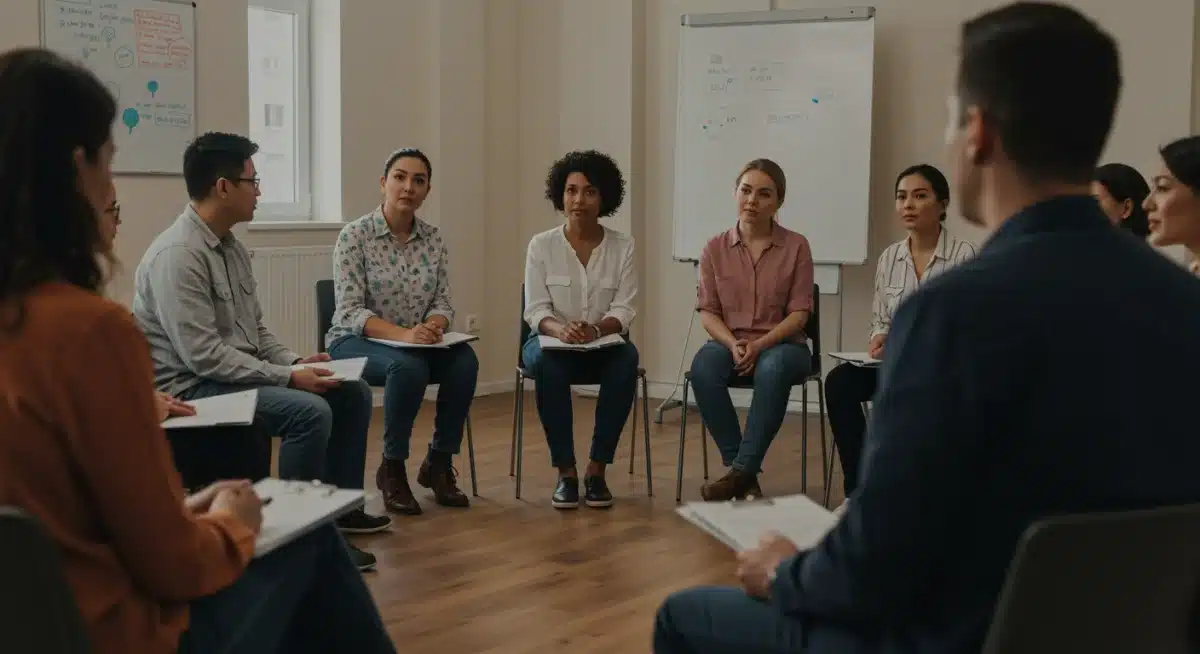
- Educational Workshops: Public health departments and non-profits frequently host workshops on overdose prevention, Naloxone training, and understanding substance use disorder. Attending these can significantly increase a family’s preparedness.
Beyond utilizing existing resources, families can become powerful advocates. This might involve contacting local politicians, participating in community forums, or volunteering with organizations dedicated to addressing the overdose crisis. Advocating for better funding for treatment, wider Naloxone distribution, and more accessible mental health services directly contributes to strengthening overdose prevention strategies at a systemic level. Remember, collective action can lead to significant positive change.
Strategy 5: Promote Holistic Well-being and Healthy Coping Mechanisms
While the previous strategies focus on direct interventions and preparedness, a crucial long-term overdose prevention strategy involves promoting holistic well-being and healthy coping mechanisms for all family members. Substance use often stems from underlying emotional pain, stress, trauma, or a lack of effective ways to manage life’s challenges. By fostering resilience and offering alternatives, families can reduce the likelihood of substance misuse.
This strategy encompasses several key areas:
- Stress Management: Teach and model healthy ways to cope with stress, anxiety, and difficult emotions. This could include mindfulness practices, exercise, spending time in nature, creative outlets, or seeking professional counseling.
- Mental Health Support: Prioritize mental health for everyone in the family. Encourage seeking therapy or counseling when needed, and destigmatize mental health challenges. Early intervention for mental health issues can significantly reduce the risk of self-medication with substances.
- Healthy Lifestyle: Promote a balanced lifestyle that includes nutritious eating, regular physical activity, adequate sleep, and strong social connections. These factors contribute to overall physical and mental health, building a stronger foundation against substance use.
- Purpose and Connection: Encourage engagement in meaningful activities, hobbies, and community involvement. A sense of purpose and strong social bonds can act as protective factors against substance use.
- Trauma-Informed Care: Understand that past trauma can be a significant driver of substance use. If family members have experienced trauma, seeking trauma-informed therapy can be a vital step in their healing journey and a powerful overdose prevention strategy.
For young people, this means equipping them with life skills, emotional intelligence, and a strong sense of self-worth. For adults, it means cultivating self-care practices and addressing their own needs. By creating a family environment that values emotional health, resilience, and healthy coping, you build a powerful buffer against the factors that can lead to substance misuse and, ultimately, overdose. This holistic approach recognizes that true prevention goes beyond immediate crisis intervention and delves into the foundational aspects of human well-being.
The Path Forward: Sustained Vigilance and Compassion
Implementing these five critical overdose prevention strategies is not a one-time task but an ongoing commitment. The landscape of substance use is dynamic, requiring continuous learning, adaptation, and sustained vigilance. For families, this means staying informed about new trends, regularly reviewing and updating their home safety protocols, and maintaining open lines of communication.
Beyond the practical steps, the overarching theme is compassion. Approaching loved ones struggling with substance use with empathy, understanding, and unwavering support is perhaps the most powerful tool in any family’s arsenal. Stigma and judgment only push individuals further into isolation, making them more vulnerable. Harm reduction, at its core, is about meeting people where they are, acknowledging their humanity, and offering practical solutions to keep them safe and alive.
The year 2026 demands a proactive and informed approach from every family. By integrating Naloxone preparedness, safe medication practices, open communication, utilization of community resources, and a focus on holistic well-being, families can significantly reduce the risk of overdose and foster an environment conducive to healing and recovery. Remember, every life saved is an opportunity for recovery, and every family empowered is a step closer to ending the overdose crisis.
If you or a loved one are struggling with substance use, please reach out for help. There are resources available, and you don’t have to navigate this journey alone. Organizations like SAMHSA’s National Helpline, local health departments, and community support groups are ready to provide guidance and assistance. Your proactive steps today can make all the difference tomorrow in preventing overdose and promoting a healthier future for your family and community.