Boosting Emotional Quotient: Essential Insights for US Citizens
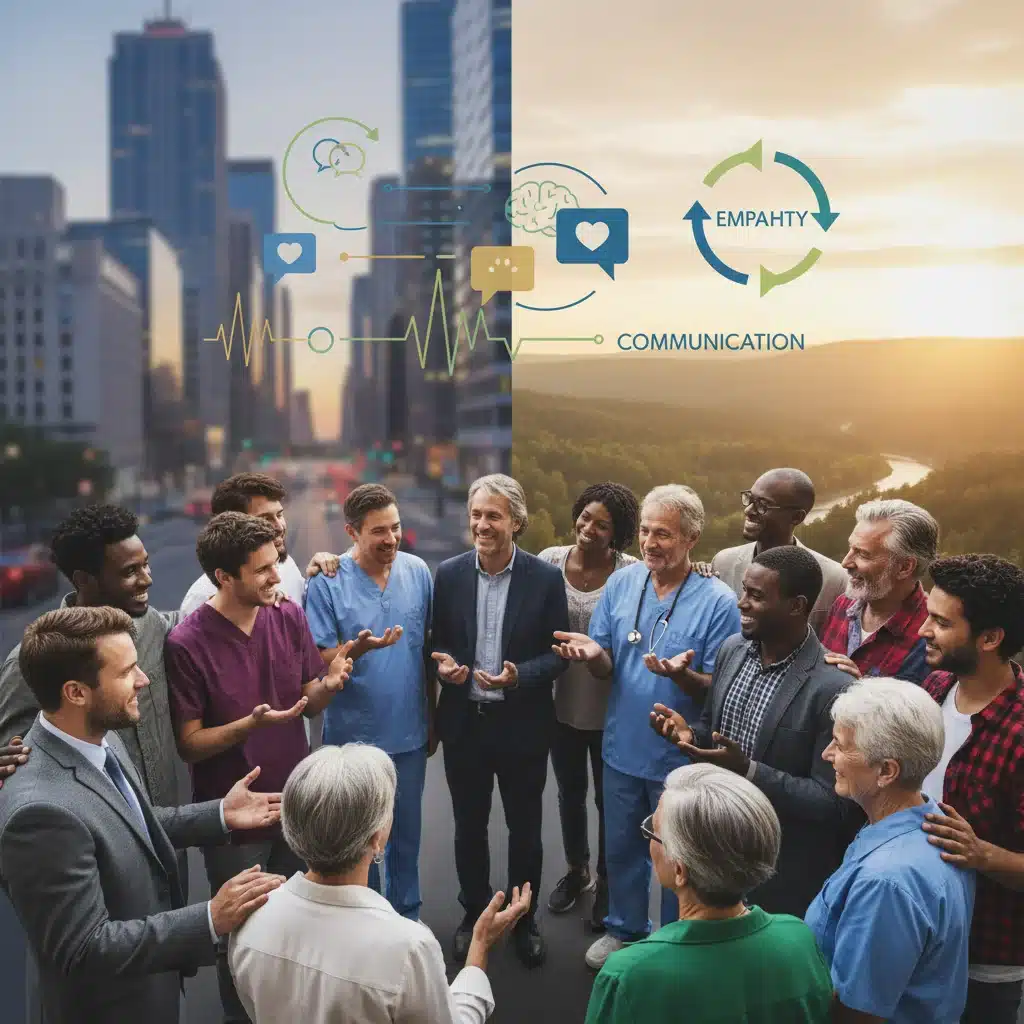
Boosting Your Emotional Quotient: Key Insights and Actions for US Citizens in the Current Climate
In an increasingly complex and interconnected world, the ability to understand and manage our own emotions, as well as recognize and influence the emotions of others, has become more crucial than ever. This capability is known as Emotional Quotient (EQ), or Emotional Intelligence. For US citizens navigating a landscape marked by rapid social, economic, and political shifts, a robust Emotional Quotient Boost isn’t just a soft skill; it’s a vital tool for personal well-being, professional success, and harmonious community engagement.
This comprehensive guide delves into the essence of EQ, why it’s particularly relevant for Americans today, and provides actionable strategies to significantly enhance your Emotional Quotient Boost. We’ll explore the core components of emotional intelligence and offer practical insights that can be applied in daily life, from personal relationships to the workplace and civic interactions.
Understanding Emotional Quotient: More Than Just IQ
While Intelligence Quotient (IQ) traditionally measures cognitive abilities like logical reasoning and analytical thinking, Emotional Quotient (EQ) focuses on the emotional side of intelligence. It encompasses a set of skills that allow individuals to:
- Identify and understand their own emotions: Recognizing what you are feeling and why.
- Manage their emotions: Regulating impulses, handling stress, and adapting to change.
- Motivate themselves: Using emotions to drive personal goals and maintain optimism.
- Recognize and understand the emotions of others: Developing empathy and perspective-taking.
- Manage relationships: Building rapport, influencing others, and resolving conflicts effectively.
The concept gained widespread recognition through the work of psychologist Daniel Goleman, who argued that EQ can be a stronger predictor of success and happiness than IQ. In the US, where diverse perspectives and societal pressures can often lead to misunderstandings and conflict, a high EQ is indispensable for fostering unity and progress.
Why an Emotional Quotient Boost is Critical for US Citizens Today
The current climate in the United States presents unique challenges that underscore the importance of emotional intelligence. From polarizing political discourse to economic uncertainties and social justice movements, Americans are constantly exposed to a spectrum of intense emotions. A strong Emotional Quotient Boost can help individuals and communities navigate these complexities more effectively.
Navigating Political and Social Divides
The political landscape in the US is often characterized by deep divisions. Individuals with high EQ are better equipped to engage in constructive dialogue, understand differing viewpoints, and bridge divides rather than widen them. They can approach sensitive topics with empathy and respect, fostering understanding even when opinions diverge sharply. This ability is crucial for maintaining a healthy democracy and promoting civic engagement that goes beyond mere partisanship.
Coping with Stress and Uncertainty
Economic shifts, global events, and technological advancements can generate significant stress and uncertainty. An enhanced EQ provides individuals with the tools to manage their stress responses, maintain resilience, and adapt to change. This self-regulation is vital for preventing burnout, preserving mental health, and sustaining productivity in both personal and professional spheres. The ability to stay calm under pressure and make rational decisions, even when emotions run high, is a hallmark of a well-developed EQ.
Enhancing Workplace Productivity and Collaboration
The American workforce is increasingly diverse, requiring strong interpersonal skills for effective collaboration. Companies and organizations are recognizing that employees with high EQ are often better team players, leaders, and problem-solvers. They can inspire trust, resolve conflicts, and foster a positive work environment, leading to increased productivity and innovation. Investing in an Emotional Quotient Boost for employees can translate into significant organizational benefits, reducing turnover and improving overall morale.
Improving Personal Relationships and Family Dynamics
At the heart of every society are its families and personal relationships. A high EQ enables individuals to communicate more effectively with loved ones, resolve domestic conflicts peacefully, and build stronger, more supportive bonds. Understanding and responding appropriately to the emotional needs of family members is foundational to a stable and nurturing home environment, which in turn contributes to the overall well-being of the community.
The Five Pillars of an Emotional Quotient Boost
To achieve a significant Emotional Quotient Boost, it’s helpful to break down EQ into its core components and focus on developing each one. Daniel Goleman identified five key elements:
1. Self-Awareness
Self-awareness is the cornerstone of emotional intelligence. It involves understanding your own emotions, strengths, weaknesses, values, and goals, and recognizing their impact on others. For US citizens, this means taking time for introspection, reflecting on personal biases, and understanding how one’s own cultural background shapes perceptions and reactions.
- Recognizing your feelings: Pay attention to the physical sensations and thoughts associated with different emotions.
- Understanding your triggers: Identify situations, people, or events that consistently provoke strong emotional responses.
- Knowing your strengths and weaknesses: Acknowledge what you’re good at and where you need to improve without judgment.
- Practicing mindfulness: Engage in practices like meditation or deep breathing to stay present and observe your emotions without getting carried away by them.

Developing self-awareness is an ongoing process that requires honesty and a willingness to look inward. It’s about becoming an observer of your internal landscape, which is the first step towards gaining control over your emotional reactions.
2. Self-Regulation
Once you are aware of your emotions, the next step is to manage them effectively. Self-regulation involves controlling disruptive impulses and moods, thinking before acting, and adapting to change. In a fast-paced society like the US, where instant gratification is often promoted, the ability to pause and regulate one’s emotions is invaluable.
- Emotional control: Learning to express emotions appropriately and constructively, rather than impulsively.
- Trustworthiness: Maintaining integrity and honesty, even when it’s difficult.
- Conscientiousness: Taking responsibility for your actions and commitments.
- Adaptability: Being flexible and open to new ideas and situations.
- Innovation: Being comfortable with novel ideas and approaches.
- Techniques: Practice delayed gratification, deep breathing exercises, and cognitive reframing (changing your perspective on a situation).
Self-regulation doesn’t mean suppressing emotions; it means choosing how and when to express them. It’s about responding thoughtfully rather than reacting instinctively, which is a key component of a successful Emotional Quotient Boost.
3. Motivation
Emotional intelligence also involves using emotions to propel oneself towards goals. Emotionally intelligent individuals are typically driven by internal motivators, possess a strong desire to achieve, and remain optimistic even in the face of setbacks. This intrinsic motivation is a powerful asset for US citizens striving for personal and collective progress.
- Achievement drive: A strong desire to improve or meet a standard of excellence.
- Commitment: Aligning with the goals of a group or organization.
- Initiative: Readiness to act on opportunities.
- Optimism: Persistence in pursuing goals despite obstacles and setbacks.
- Goal setting: Setting realistic and challenging goals and working diligently to achieve them.
Fostering motivation is about connecting with your purpose and finding joy in the pursuit of your aspirations. It’s about leveraging positive emotions to fuel your journey and learning from negative ones without letting them derail you.
4. Empathy
Empathy is the ability to understand and share the feelings of another. It’s about putting yourself in someone else’s shoes and seeing the world from their perspective. For a diverse nation like the US, empathy is crucial for fostering mutual respect, understanding, and social cohesion.
- Understanding others: Sensing others’ feelings and perspectives, and taking an active interest in their concerns.
- Developing others: Sensing others’ development needs and bolstering their abilities.
- Service orientation: Anticipating, recognizing, and meeting customers’ needs.
- Leveraging diversity: Cultivating opportunities through diverse people.
- Political awareness: Reading a group’s emotional currents and power relationships.
- Active listening: Giving full attention to what others are saying, understanding their message, and responding thoughtfully.
Practicing empathy involves truly listening, asking open-ended questions, and withholding judgment. It’s a powerful skill for building stronger relationships and resolving conflicts peacefully.
5. Social Skills
Social skills encompass the ability to manage relationships, build networks, and find common ground. This is the culmination of the other four pillars, allowing individuals to interact effectively and influence others positively. In a society that values collaboration and community, strong social skills are essential for an effective Emotional Quotient Boost.
- Influence: Wielding effective tactics for persuasion.
- Communication: Sending clear and convincing messages.
- Conflict management: Negotiating and resolving disagreements.
- Leadership: Inspiring and guiding groups and people.
- Change catalyst: Initiating or managing change.
- Building bonds: Nurturing instrumental relationships.
- Collaboration and cooperation: Working with others toward shared goals.
- Team capabilities: Creating group synergy in pursuing collective goals.

Developing social skills involves practice and observation. It’s about learning to read social cues, adapting your communication style to different situations, and building genuine connections with people.
Actionable Strategies for Your Emotional Quotient Boost
Now that we’ve explored the components of EQ, let’s look at practical strategies for US citizens to enhance each area and achieve a significant Emotional Quotient Boost.
For Self-Awareness:
- Keep an Emotion Journal: Regularly write down your feelings, what triggered them, and how you reacted. This helps identify patterns and understand your emotional landscape.
- Practice Mindfulness and Meditation: Dedicate 10-15 minutes daily to mindfulness exercises. Focus on your breath and observe thoughts and emotions without judgment. Apps like Calm or Headspace can be great resources.
- Seek Feedback: Ask trusted friends, family, or colleagues for honest feedback on how your emotions and actions impact them. Be open to constructive criticism.
- Identify Your Values: Reflect on what truly matters to you. Understanding your values can provide clarity on why certain situations evoke strong emotional responses.
For Self-Regulation:
- The "Pause and Respond" Rule: Before reacting to an emotional trigger, take a deep breath, count to ten, and consider the consequences of your response.
- Develop Stress-Reduction Techniques: Incorporate activities like exercise, yoga, spending time in nature, or listening to music into your routine to manage stress levels proactively.
- Practice Cognitive Reframing: When faced with a challenging situation, try to find an alternative, more positive interpretation. Instead of "This is a disaster," try "This is an unexpected challenge I can learn from."
- Set Boundaries: Learn to say no when necessary to protect your time and energy, preventing emotional overload.
For Motivation:
- Define Your Purpose: Understand what truly drives you. What are your long-term aspirations? How do your daily actions contribute to these goals?
- Set SMART Goals: Ensure your goals are Specific, Measurable, Achievable, Relevant, and Time-bound. This provides clarity and a roadmap for success.
- Celebrate Small Wins: Acknowledge and celebrate progress, no matter how small. This reinforces positive behavior and maintains momentum.
- Cultivate an Optimistic Outlook: Focus on solutions rather than problems. Surround yourself with positive influences and practice gratitude.
For Empathy:
- Practice Active Listening: When someone is speaking, give them your full attention. Avoid interrupting, ask clarifying questions, and try to understand their perspective fully before formulating your response.
- Read Diverse Perspectives: Engage with news, books, and media from various viewpoints. This helps broaden your understanding of different experiences and challenges within the US.
- "Walk a Mile in Their Shoes": Mentally visualize yourself in someone else’s situation. How would you feel? What would you need?
- Volunteer: Engage in community service. Helping others can significantly increase your capacity for empathy and understanding of different walks of life.
For Social Skills:
- Improve Communication: Work on clear, concise, and assertive communication. Practice expressing your thoughts and feelings respectfully.
- Develop Conflict Resolution Skills: Learn techniques for mediating disagreements, focusing on mutual understanding and finding common ground.
- Network Actively: Attend social events, join clubs or organizations, and make an effort to connect with new people.
- Practice Leadership: Seek opportunities to lead, even in small ways. This can be at work, in community groups, or even within your family.
- Give and Receive Compliments: Acknowledge others’ efforts and achievements genuinely. Be gracious when receiving praise.
Integrating EQ into Daily Life as a US Citizen
The journey to an enhanced Emotional Quotient Boost isn’t about isolated exercises, but about integrating these skills into the fabric of your daily life. For US citizens, this means applying EQ in various contexts:
At Work:
Use your EQ to navigate team dynamics, manage client relationships, and lead with compassion. An emotionally intelligent leader can inspire trust, foster innovation, and resolve workplace conflicts more effectively. This can lead to a more harmonious and productive work environment, which is highly valued in American corporate culture.
In Your Community:
Engage in civic discourse with respect and an open mind. Use empathy to understand differing viewpoints on local issues and self-regulation to keep discussions constructive. Your Emotional Quotient Boost can contribute to building stronger, more cohesive communities.
With Family and Friends:
Apply active listening and empathy to deepen bonds and resolve interpersonal issues. Strong family units are often built on a foundation of emotional understanding and effective communication.
In Personal Development:
Continuously reflect on your emotional growth. Are you becoming more self-aware? Are you managing stress better? Are your relationships improving? This ongoing self-assessment is crucial for sustained improvement.
Challenges and Considerations for US Citizens in Boosting EQ
While the benefits of an Emotional Quotient Boost are clear, US citizens may face specific challenges:
- Culture of Individualism: While self-reliance is a strength, it can sometimes hinder the development of empathy and collective social skills if not balanced with community focus.
- Fast-Paced Lifestyle: The demands of modern life can leave little time for introspection and emotional processing, making mindfulness practices challenging to maintain.
- Digital Overload: Constant connectivity and social media can lead to superficial interactions, potentially reducing opportunities for deep empathetic engagement.
- Polarized Discourse: The highly polarized nature of public debate can make it difficult to practice empathy and open-mindedness towards those with different views.
Overcoming these challenges requires conscious effort and a commitment to prioritizing emotional development. It means actively seeking out opportunities for genuine connection, setting boundaries with technology, and engaging in respectful dialogue even in the face of disagreement.
Conclusion: The Path to a More Emotionally Intelligent America
A significant Emotional Quotient Boost is not merely a personal endeavor; it’s a societal imperative for US citizens. By cultivating self-awareness, mastering self-regulation, fueling motivation, practicing empathy, and honing social skills, individuals can transform their lives and contribute to a more understanding, resilient, and collaborative nation.
The journey of enhancing your emotional intelligence is continuous, requiring patience, practice, and a willingness to learn from every interaction. As you embark on this path, remember that every step you take to boost your EQ not only benefits you but also ripples outward, positively impacting your family, workplace, and community. Embrace the challenge, commit to the process, and witness the profound difference an elevated Emotional Quotient can make in navigating the complexities of modern American life.
Start today by choosing one area of EQ to focus on and implement a strategy. Consistent effort will lead to lasting change and a more emotionally intelligent you, ready to tackle any challenge and build stronger connections in the United States.