Emotional resilience techniques to overcome burnout and fatigue

Emotional resilience techniques to overcome burnout and fatigue involve practicing mindfulness, fostering community support, and setting achievable goals to effectively manage stress and enhance well-being.
Emotional resilience techniques to overcome burnout and fatigue can truly change how we manage stress in our lives. Have you ever felt that exhaustion creeping in, affecting not just your work but also your personal life? Let’s explore ways to boost your resilience and regain that energy.
Understanding emotional resilience
Understanding emotional resilience is key to effectively managing stress and overcoming challenges. It refers to our ability to adapt to difficult situations and bounce back from setbacks. When we cultivate emotional resilience, we improve our overall well-being and can handle the ups and downs of life more smoothly.
What is Emotional Resilience?
At its core, emotional resilience is about how we respond to stressors. It helps us remain flexible and adaptable when problems arise. Individuals with high resilience view challenges as opportunities for growth rather than insurmountable obstacles.
Benefits of Emotional Resilience
Building your emotional resilience can lead to several benefits, including:
- Improved mental health
- Better coping strategies
- Enhanced relationships
- Greater workplace performance
When we are resilient, we are also more likely to take care of ourselves. This could mean engaging in physical activity, maintaining social connections, or practicing mindfulness. All of these practices play significant roles in enhancing our resilience.
Resilience isn’t just an innate quality; it’s something that can be developed over time. By understanding emotional resilience, we can implement strategies that make us stronger when facing life’s challenges. This ongoing process can transform our responses to stress, allowing us flexibility and stability.
How to Build Emotional Resilience
To enhance your emotional resilience, consider adopting practices such as:
- Engaging in regular reflection
- Practicing gratitude
- Setting realistic goals
- Seeking support from others
These tools not only help us cope better but also foster personal growth and connectivity with our communities. Ultimately, by nurturing our emotional resilience, we can navigate life’s challenges more effectively and emerge even stronger.
Practical techniques for building resilience

Practical techniques for building resilience are essential for managing stress and preventing burnout. Resilience allows us to face life’s challenges with courage and adaptability.
Developing a Positive Mindset
A positive mindset plays a crucial role in building resilience. By focusing on the good in any situation, we can better manage stress. Practicing affirmations and visualizations can help transform negative thoughts into uplifting ones.
Mindfulness and Meditation
Mindfulness practices, such as meditation and deep breathing, can enhance mental clarity and calmness. These techniques allow you to stay present and recognize your emotions without judgment. Some effective mindfulness practices include:
- Daily meditation for 10-15 minutes
- Focused breathing exercises
- Yoga or tai chi sessions
- Nature walks while being mindful of your surroundings
Integrating these habits can lead to improved emotional balance and resilience in daily life. When we take time for ourselves, it helps maintain our mental health and well-being.
Another powerful method is to create a strong support network. Having friends, family, or mentors to turn to during tough times makes it easier to cope. This support system can provide guidance and encouragement, reinforcing your ability to bounce back from adversity.
Setting Realistic Goals
Setting achievable goals is also vital for enhancing resilience. Break larger goals into smaller, manageable steps. Celebrate small victories along the way to keep motivation high. Achieving these milestones promotes a sense of accomplishment and boosts self-esteem.
Lastly, never underestimate the power of self-care. Regular physical activity, healthy eating, and adequate rest are all important components of maintaining emotional resilience. Taking care of your body significantly impacts your ability to handle stress.
Mindfulness practices to combat fatigue
Mindfulness practices are powerful tools to combat fatigue and enhance well-being. They help us reconnect with ourselves and improve our focus, making it easier to tackle daily challenges.
The Basics of Mindfulness
Mindfulness involves being present and fully engaged in the moment. This practice encourages us to notice our surroundings, thoughts, and feelings without judgment. By tuning into our bodies and minds, we can alleviate some of the overwhelming feelings associated with fatigue.
Simple Mindfulness Practices
Here are some effective mindfulness techniques that can help reduce fatigue:
- Breathing exercises: Focus on your breath by inhaling deeply and exhaling slowly. This can calm your mind and body.
- Body scan meditation: Lie down comfortably and mentally scan your body from head to toe, noticing areas of tension.
- Focused attention: Choose an object to observe closely, such as a candle flame or a flower, and concentrate solely on it.
- Mindful walking: Take a walk while paying attention to your steps and the environment around you. Feel each movement and breath.
Incorporating these practices into your daily routine can significantly decrease levels of stress and fatigue. By dedicating just a few minutes each day to mindfulness, you can improve your mood and energy levels.
Additionally, maintaining a gratitude journal can enhance your mindfulness practice. Write down three things you’re grateful for each day. This shifts your focus to positive aspects of your life, which is essential for overcoming feelings of exhaustion and hopelessness.
The Role of Nature in Mindfulness
Spending time in nature is another effective way to practice mindfulness. Engaging with the outdoors provides a refreshing perspective and fosters a sense of calm. Nature has a healing effect that helps us recharge and feel more alive. Whenever possible, take short breaks in green spaces where you can sit quietly and center your thoughts.
The role of community support in resilience
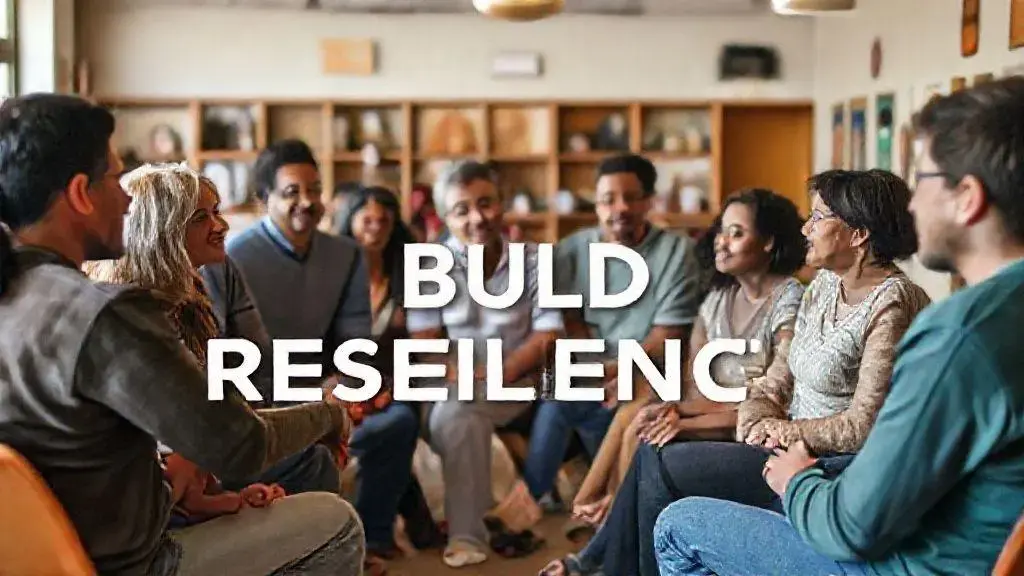
The role of community support in building resilience cannot be overstated. Having a strong network of friends, family, and peers plays an essential part in how we cope with life’s challenges.
Benefits of Community Support
Community support provides emotional and practical assistance during tough times. Knowing we are not alone can give us the strength to face difficulties. Here are some benefits of community support:
- Increased feelings of belonging and acceptance
- Access to resources and advice
- Emotional encouragement during stressful situations
- Enhanced problem-solving abilities through shared experiences
When we connect with others, we exchange valuable insights and strategies for overcoming obstacles. This collaboration can significantly boost our sense of empowerment and resilience.
Building a Supportive Community
To strengthen your support network, consider engaging in local groups or activities. Volunteering is a great way to meet new people and build connections. By helping others, we also reinforce our own resilience.
Moreover, online communities can provide additional support, especially when face-to-face interactions are limited. Forums, social media groups, and support platforms offer spaces where individuals can share their experiences and uplift one another.
Sharing your feelings and experiences with others can be cathartic. It can also inspire others to open up, creating a culture of support. When we express our struggles, we often discover common ground with those around us.
Seeking Professional Support
Sometimes, reaching out to professionals such as therapists or counselors can complement community support. They can offer guidance and coping strategies tailored to your needs. Combining professional help with community support creates a robust foundation for building resilience.
FAQ – Questions about emotional resilience and community support
How can mindfulness practices help with fatigue?
Mindfulness practices reduce stress and enhance focus, which can significantly alleviate feelings of fatigue.
What are the benefits of community support for resilience?
Community support provides emotional encouragement, practical assistance, and a sense of belonging, all of which are essential for building resilience.
How can I build a supportive community?
You can build a supportive community by engaging in local activities, volunteering, and connecting with others online.
When should I seek professional help for resilience?
If you’re struggling to cope with stress or challenges, seeking professional help can provide valuable guidance and coping strategies.