Boost Your Resilience: Mind-Body Connection Practices for US Residents
In the fast-paced, often demanding landscape of modern life, particularly within the United States, the concept of resilience has become more crucial than ever. Resilience isn’t just about bouncing back from adversity; it’s about developing the internal strength and coping mechanisms to navigate challenges with grace and efficacy. A powerful, yet often underestimated, pathway to cultivating this resilience lies in strengthening the Mind-Body Resilience Practices. This intricate connection between our mental and physical states profoundly influences our ability to withstand stress, recover from setbacks, and maintain overall well-being.
For centuries, various cultures have recognized the inseparable link between the mind and body. Ancient philosophies and traditional healing systems have long emphasized that our thoughts, emotions, and beliefs directly impact our physical health, just as our physical state can influence our mental landscape. In contemporary Western society, scientific research is increasingly validating these ancient insights, demonstrating how stress can manifest physically, leading to a myriad of health issues, and conversely, how physical well-being can significantly uplift our mental and emotional states. Understanding and actively engaging with this mind-body connection is not merely a philosophical exercise; it’s a practical strategy for enhancing your resilience in the face of life’s inevitable ups and downs.
This comprehensive guide aims to explore four highly effective Mind-Body Resilience Practices that US residents can readily adopt to bolster their resilience. These practices are not complex or time-consuming; rather, they are accessible tools that, when integrated into daily life, can lead to profound and lasting positive changes. By focusing on these techniques, you’ll learn to harmonize your internal systems, reduce the impact of stress, improve emotional regulation, and ultimately, build a more robust and resilient self. Whether you’re dealing with work-related pressures, personal challenges, or simply seeking to enhance your general well-being, these practices offer a pathway to greater inner peace and strength. Let’s delve into how you can start transforming your resilience today.
The Foundation of Resilience: Understanding the Mind-Body Connection
Before we dive into specific practices, it’s essential to grasp the fundamental principles of the mind-body connection. Our brains and bodies are constantly communicating through a complex network of hormones, neurotransmitters, and neural pathways. When we experience stress, our sympathetic nervous system (our ‘fight or flight’ response) kicks into high gear, releasing cortisol and adrenaline. While this response is crucial for survival in acute situations, chronic activation due to ongoing stress can have detrimental effects on our physical and mental health. It can lead to inflammation, weakened immune function, digestive issues, anxiety, depression, and a reduced capacity for problem-solving and emotional regulation. This is where Mind-Body Resilience Practices become invaluable.
Conversely, when we engage in activities that promote relaxation and well-being, our parasympathetic nervous system (our ‘rest and digest’ response) takes over. This state encourages healing, reduces cortisol levels, improves digestion, strengthens the immune system, and fosters a sense of calm and clarity. The goal of mind-body practices is to consciously activate this calming response, thereby mitigating the negative impacts of stress and enhancing our natural ability to cope. By consistently engaging in these practices, we train our bodies and minds to return to a state of balance more quickly and efficiently, building a stronger foundation for resilience.
In the context of the United States, where high-stress lifestyles are common, cultivating this internal balance is not a luxury but a necessity. The demands of work, family, social pressures, and an often-overwhelming news cycle can erode our resilience if we don’t actively work to maintain it. Incorporating Mind-Body Resilience Practices into your daily routine is an investment in your long-term health and happiness. It empowers you to take control of your internal state, rather than being at the mercy of external circumstances. Now, let’s explore four practical and highly effective practices that can help you achieve this profound connection and build lasting resilience.
1. The Power of Mindful Movement: Yoga and Tai Chi
Mindful movement practices like yoga and Tai Chi are cornerstones of Mind-Body Resilience Practices. These ancient disciplines combine physical postures, breathing techniques, and meditation to create a holistic experience that benefits both the body and the mind. Unlike purely physical exercise, the emphasis in yoga and Tai Chi is on conscious awareness of movement, breath, and sensation, fostering a deep connection between your internal and external experiences.
Yoga: A Comprehensive Approach to Well-being
Yoga, originating in ancient India, has gained immense popularity across the US for its multifaceted benefits. It involves a series of physical postures (asanas), breathing exercises (pranayama), and meditation. Regular yoga practice can significantly reduce stress, improve flexibility, strengthen muscles, enhance balance, and calm the nervous system. The focus on breath in yoga is particularly powerful. By consciously regulating your breath, you can directly influence your nervous system, shifting from a stressed state to a relaxed one. This ability to self-regulate is a critical component of resilience.
For US residents, various styles of yoga are available, from vigorous Vinyasa and Ashtanga to gentle Hatha and Restorative yoga. Finding a style that suits your current physical condition and preferences is key. Many studios offer beginner classes, and countless online resources and apps provide guided practices that can be done from the comfort of your home. Even just 15-20 minutes of daily yoga can make a noticeable difference in your stress levels and overall sense of calm. The consistent practice of yoga helps you develop a greater awareness of your body’s signals, allowing you to address tension and discomfort before they escalate. This proactive approach to self-care is fundamental to building resilience.
Tai Chi: The Moving Meditation
Tai Chi, often described as ‘meditation in motion,’ is a gentle Chinese martial art that involves slow, flowing movements, deep breathing, and focused attention. It is particularly beneficial for improving balance, flexibility, and cardiovascular health, especially for older adults. The meditative aspect of Tai Chi helps to quiet the mind, reduce anxiety, and promote a sense of inner peace. The deliberate and graceful movements encourage a mindful presence, drawing your attention away from worries and into the present moment. This practice of being fully present is another essential element of Mind-Body Resilience Practices.
Tai Chi is highly accessible, requiring no special equipment or intense physical exertion. It can be practiced almost anywhere, making it an ideal choice for many US residents seeking a gentle yet profound path to resilience. Many community centers, parks, and fitness clubs offer Tai Chi classes, providing an opportunity for social connection as well. The fluid nature of Tai Chi movements helps to release physical tension and promote energy flow throughout the body, contributing to a feeling of vitality and well-being. By integrating mindful movement into your routine, you are actively fostering a harmonious relationship between your mind and body, strengthening your capacity to navigate life’s challenges with greater ease.
2. Cultivating Inner Calm: Mindfulness and Meditation
Mindfulness and meditation are perhaps the most direct routes to strengthening your Mind-Body Resilience Practices. These practices involve intentionally focusing your attention on the present moment, without judgment. In a society often characterized by constant distractions and future-oriented thinking, cultivating present-moment awareness can be revolutionary for stress reduction and emotional regulation.
Mindfulness: Living in the Present
Mindfulness is the practice of being fully aware of what’s happening in the present moment – your thoughts, feelings, bodily sensations, and the surrounding environment – without getting caught up in judgment or reaction. It’s about observing your experiences as they arise and pass, rather than being consumed by them. This simple yet profound practice can transform how you react to stress. Instead of being overwhelmed by anxious thoughts, mindfulness teaches you to acknowledge them and then gently redirect your attention to the present.
You can practice mindfulness formally through meditation, or informally throughout your day. Informal mindfulness might involve paying full attention to the taste and texture of your food during a meal, noticing the sensations of walking, or simply observing your breath for a few moments. For US residents, resources for learning mindfulness are abundant, including apps like Calm and Headspace, online courses, and local workshops. Regular mindfulness practice enhances self-awareness, improves emotional regulation, and reduces rumination, all of which are vital components of resilience.

Meditation: Formal Practice for Deeper Connection
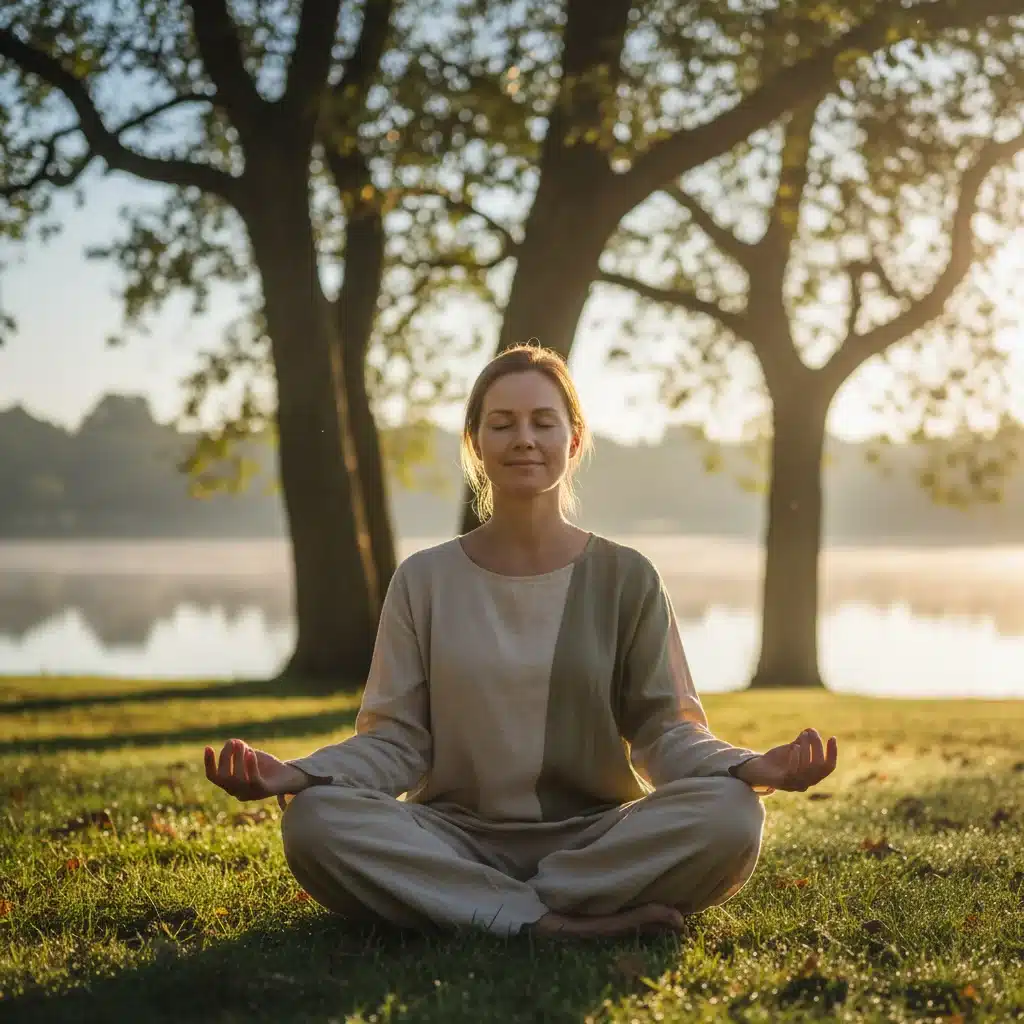
Meditation is the formal practice of mindfulness, typically involving sitting quietly and focusing on a specific anchor, such as the breath, a mantra, or bodily sensations. Consistent meditation practice can rewire the brain, reducing activity in the amygdala (the brain’s fear center) and increasing activity in the prefrontal cortex (associated with attention, emotional regulation, and decision-making). These neurological changes directly contribute to increased resilience.
There are many types of meditation, but most aim to cultivate a state of calm, focused awareness. Even just 5-10 minutes of daily meditation can yield significant benefits. Regular practice helps you develop a ‘gap’ between a stimulus and your reaction, allowing you to respond to challenging situations more thoughtfully rather than reactively. This enhanced ability to choose your response is a hallmark of strong resilience. Incorporating meditation into your routine is one of the most effective Mind-Body Resilience Practices you can adopt to cultivate inner calm and strengthen your mental fortitude.
3. The Healing Power of Breathwork
Breathwork, the conscious control of breathing, is an incredibly potent tool for influencing your mind-body connection and building resilience. Our breath is unique in that it is both an involuntary bodily function and something we can consciously control. This dual nature makes it a direct bridge between our conscious and subconscious minds, offering immediate access to our nervous system. By learning to harness your breath, you gain a powerful mechanism for self-regulation and stress reduction, which are core to Mind-Body Resilience Practices.
Diaphragmatic Breathing: The Foundation
Often referred to as ‘belly breathing,’ diaphragmatic breathing involves engaging your diaphragm, a muscle located just below your lungs, to draw air deep into your lungs. Most people, especially when stressed, tend to breathe shallowly from their chest. Shallow breathing perpetuates the ‘fight or flight’ response, signaling danger to the brain. Diaphragmatic breathing, on the other hand, activates the vagus nerve, which in turn stimulates the parasympathetic nervous system, inducing relaxation and reducing heart rate and blood pressure.
To practice diaphragmatic breathing: Lie down or sit comfortably. Place one hand on your chest and the other on your abdomen. Inhale slowly and deeply through your nose, feeling your abdomen rise while your chest remains relatively still. Exhale slowly through your mouth, gently pressing your abdomen inward. Practice this for 5-10 minutes daily, especially during moments of stress. This simple technique is one of the most effective Mind-Body Resilience Practices for calming an agitated mind and body.
Box Breathing: A Structured Approach
Box breathing, also known as square breathing, is a simple yet highly effective technique used by Navy SEALs and others to manage stress and improve focus. It involves inhaling, holding, exhaling, and holding for equal counts, creating a ‘box’ pattern with your breath.
To practice box breathing: Inhale deeply through your nose for a count of four. Hold your breath for a count of four. Exhale slowly through your mouth for a count of four. Hold your breath (lungs empty) for a count of four. Repeat this cycle for several minutes. Box breathing helps to reset your breathing pattern, calm your nervous system, and improve concentration, making it an excellent tool for enhancing your Mind-Body Resilience Practices.
Alternate Nostril Breathing (Nadi Shodhana): Balancing Energy
Originating from yogic traditions, alternate nostril breathing is believed to balance the left and right hemispheres of the brain, promoting mental clarity and emotional stability. It’s a powerful technique for reducing anxiety and preparing the mind for meditation.
To practice Nadi Shodhana: Sit in a comfortable position. Close your right nostril with your right thumb and inhale slowly through your left nostril. Close your left nostril with your right ring finger, release your thumb from your right nostril, and exhale through your right nostril. Inhale through your right nostril, then close it with your thumb, release your ring finger from your left nostril, and exhale through your left nostril. This completes one round. Continue for 5-10 minutes. This advanced breathwork technique can profoundly impact your emotional state and contribute significantly to your Mind-Body Resilience Practices.
4. Nurturing Connections: Nature and Social Engagement
While often overlooked in discussions of mind-body practices, our connection to the natural world and to other human beings plays a crucial role in our overall well-being and resilience. These external connections profoundly influence our internal state, making them integral to effective Mind-Body Resilience Practices.
Nature’s Embrace: Forest Bathing and Outdoor Activity
Spending time in nature, often referred to as ‘forest bathing’ (Shinrin-yoku), has been scientifically proven to reduce stress hormones, lower blood pressure, improve mood, and boost immune function. The sights, sounds, and smells of nature have a restorative effect on our nervous system, helping to shift us from a state of chronic stress to one of calm and rejuvenation.
For US residents, access to nature varies, but even a local park, a backyard garden, or a tree-lined street can offer benefits. Make a conscious effort to spend at least 20-30 minutes outdoors several times a week. Engage your senses: notice the colors of the leaves, listen to the birds, feel the sun or wind on your skin, and breathe in the fresh air. This intentional engagement with nature is a powerful form of mindful practice that directly supports your Mind-Body Resilience Practices. Consider hiking, gardening, or simply sitting quietly in a natural setting. The ‘dose’ of nature is cumulative, so consistent exposure yields the best results.
The Power of Social Connection
Humans are social creatures, and our well-being is deeply intertwined with our relationships. Strong social connections provide emotional support, a sense of belonging, and opportunities for joy and laughter – all crucial buffers against stress and adversity. Loneliness and social isolation, conversely, are significant risk factors for both mental and physical health problems, directly eroding resilience.
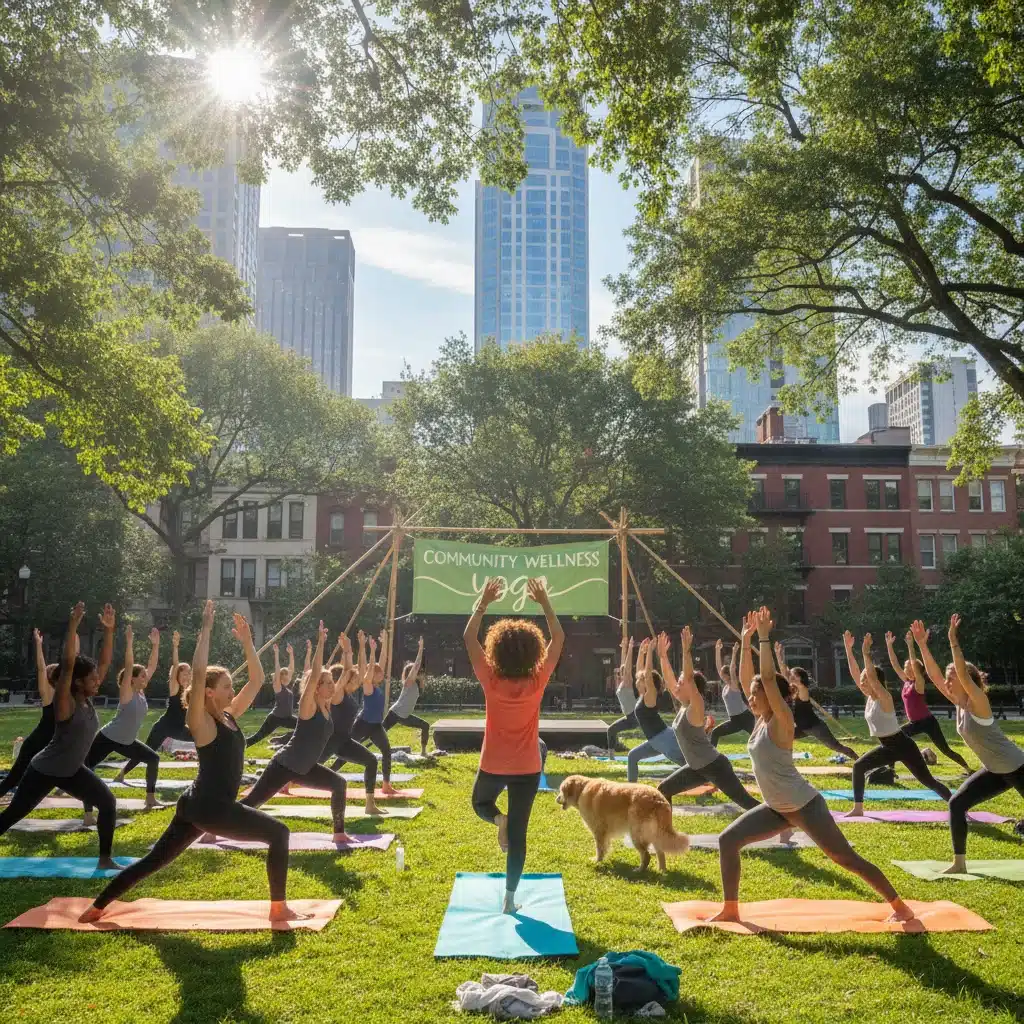
Actively nurturing your social connections is a vital component of Mind-Body Resilience Practices. This doesn’t necessarily mean having a vast network of acquaintances; rather, it emphasizes quality over quantity. Focus on fostering deep, meaningful relationships with a few trusted friends or family members. Engage in activities that promote social interaction, such as joining clubs, volunteering, participating in community events, or simply scheduling regular time with loved ones. Sharing your experiences, seeking support, and offering support to others can significantly reduce feelings of isolation and strengthen your capacity to cope with challenges. In a society that often prioritizes individualism, remembering and actively cultivating our interconnectedness is a powerful act of resilience.
Integrating Mind-Body Resilience Practices into Your Daily Life
The key to reaping the full benefits of these Mind-Body Resilience Practices is consistency, not perfection. Start small, choose one or two practices that resonate with you, and gradually integrate them into your daily routine. Here are some tips for successful integration:
- Start Small: Don’t try to overhaul your entire routine at once. Begin with 5-10 minutes of a chosen practice each day and gradually increase the duration as you feel comfortable.
- Schedule It: Treat these practices like important appointments. Block out time in your calendar for your yoga session, meditation, or nature walk.
- Be Patient and Kind to Yourself: Building new habits takes time. There will be days when you feel unmotivated or distracted. Don’t judge yourself; simply acknowledge it and gently return to your practice the next day.
- Find Your Tribe: Joining a class or a group can provide motivation, accountability, and a sense of community. Many online platforms also offer guided sessions.
- Listen to Your Body: Pay attention to how different practices make you feel. What works for one person might not work for another. Experiment and find what truly nourishes your mind and body.
- Combine Practices: You don’t have to choose just one. You might start your day with a short meditation, take a mindful walk during your lunch break, and end your day with gentle yoga or breathwork.
- Educate Yourself: The more you understand the science behind these practices, the more motivated you’ll be to stick with them. Read books, listen to podcasts, and watch documentaries on the mind-body connection.
Remember, resilience is not an innate trait; it’s a skill that can be developed and strengthened over time. By consistently engaging in these Mind-Body Resilience Practices, you are actively cultivating the internal resources needed to navigate life’s complexities with greater ease, emotional balance, and unwavering strength. Embrace this journey of self-discovery and empowerment, and witness the transformative impact on your overall well-being.
Conclusion: A Resilient Future Through Mind-Body Harmony
In a world that constantly presents new challenges and demands, cultivating personal resilience is not merely beneficial; it is essential for a fulfilling and healthy life. The journey to enhanced resilience is deeply rooted in understanding and nurturing the profound connection between your mind and body. The four Mind-Body Resilience Practices explored in this article – mindful movement (yoga and Tai Chi), cultivating inner calm (mindfulness and meditation), the healing power of breathwork, and nurturing connections (nature and social engagement) – offer a comprehensive toolkit for US residents seeking to fortify their internal strength.
These practices, while ancient in their origins, are remarkably relevant and effective in addressing the stressors of modern American life. They provide practical, accessible ways to reduce the physiological impact of stress, improve emotional regulation, enhance mental clarity, and foster a deeper sense of self-awareness and well-being. By consistently integrating these techniques into your daily routine, you are not just reacting to life’s challenges; you are proactively building a robust internal system that can absorb shocks, adapt to change, and emerge stronger.
The path to greater resilience is a personal one, requiring dedication and self-compassion. There will be days of progress and days of struggle, but the cumulative effect of small, consistent efforts will undoubtedly lead to significant improvements in your ability to navigate life with grace and fortitude. Embrace these Mind-Body Resilience Practices as an investment in your most valuable asset: yourself. Begin today, even with just a few minutes of mindful breathing or a short walk in nature, and embark on a transformative journey towards a more resilient, balanced, and vibrant future.