Optimizing Gut Health in 2026: A 3-Month Plan for U.S. Adults to Boost Digestion and Overall Well-being
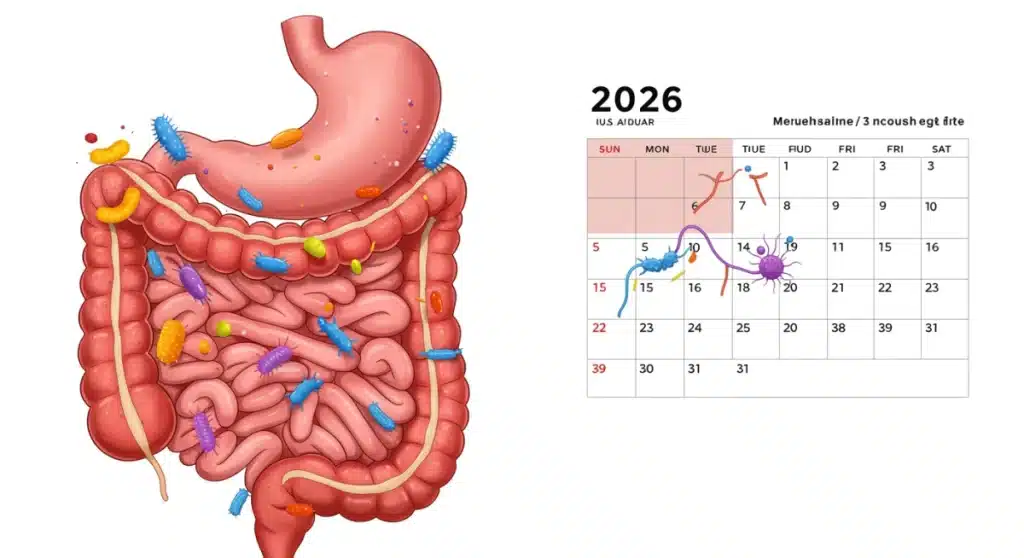
In the ever-evolving landscape of health and wellness, the spotlight on gut health continues to intensify, and for good reason. Your gut, often referred to as your ‘second brain,’ plays a pivotal role in far more than just digestion. It influences your immune system, mood, energy levels, and even chronic disease risk. As we step into 2026, there’s never been a better time for U.S. adults to commit to a structured plan to optimize gut health. This comprehensive 3-month guide is designed to provide actionable, science-backed strategies to help you cultivate a thriving internal ecosystem, leading to enhanced digestion and overall well-being. By focusing on sustainable changes over a dedicated period, you can truly transform your gut and, by extension, your entire health.
Understanding Your Gut: More Than Just Digestion
Before diving into the practical steps, it’s crucial to understand what ‘gut health’ truly encompasses. Your gut is home to trillions of microorganisms—bacteria, fungi, viruses, and other microbes—collectively known as the gut microbiome. This intricate community performs vital functions, from breaking down food and absorbing nutrients to synthesizing vitamins and training your immune system. A balanced and diverse microbiome is key to a healthy gut. When this balance is disrupted, a state known as dysbiosis, it can lead to a cascade of health issues, including digestive discomfort, weakened immunity, skin problems, mood disorders, and even autoimmune conditions. Our goal over the next three months is to nurture this ecosystem, bringing it into optimal balance to help you optimize gut health effectively.
The Gut-Brain Axis: A Powerful Connection
One of the most fascinating aspects of gut health is its profound connection to the brain, via the gut-brain axis. This bidirectional communication pathway involves the central nervous system, enteric nervous system (the nervous system of the gut), and the gut microbiome. The microbes in your gut produce neurotransmitters like serotonin, which significantly influence mood and cognitive function. This means that a healthy gut can directly contribute to better mental clarity, reduced anxiety, and improved emotional resilience. Understanding this connection underscores why addressing gut health is not just about alleviating digestive symptoms, but about fostering holistic well-being.
The 3-Month Plan: A Phased Approach to Optimize Gut Health
This plan is structured into three distinct months, each building upon the last, to ensure a gradual yet profound transformation. Consistency is key, and while individual results may vary, adhering to these principles will significantly help you to optimize gut health.
Month 1: Reset and Remove
The first month is dedicated to removing common gut irritants and resetting your digestive system. Think of it as spring cleaning for your gut.
Week 1-2: Eliminate Gut Irritants
- Processed Foods & Sugars: Drastically reduce or eliminate ultra-processed foods, refined sugars, and artificial sweeteners. These are known to feed harmful bacteria and promote inflammation.
- Common Allergens/Sensitivities: Consider temporarily removing common dietary triggers such as gluten, dairy, soy, and corn. Pay close attention to how your body responds. This isn’t necessarily a permanent elimination, but a diagnostic phase to identify potential culprits.
- Alcohol & Caffeine: Limit alcohol intake and reduce excessive caffeine. Both can irritate the gut lining and disrupt sleep, which is crucial for gut repair.
- NSAIDs: If possible and under medical supervision, reduce reliance on non-steroidal anti-inflammatory drugs (NSAIDs) as they can damage the gut lining over time.
Week 3-4: Support Digestion & Hydration
- Hydration: Increase your daily water intake. Aim for at least 8 glasses (64 ounces) of filtered water per day. Proper hydration is essential for nutrient absorption and stool consistency.
- Mindful Eating: Practice mindful eating. Eat slowly, chew your food thoroughly (aim for 20-30 chews per bite), and avoid eating when stressed or rushed. This aids in better digestion and nutrient assimilation.
- Stomach Acid Support: If you experience symptoms of low stomach acid (e.g., indigestion, bloating, heartburn after meals), consider adding apple cider vinegar (1 tbsp in water before meals) or consulting a professional about digestive enzyme supplements.
- Herbal Teas: Incorporate gut-soothing herbal teas like ginger, peppermint, chamomile, or licorice root.
Month 2: Reintroduce and Replenish
With irritants removed, month two focuses on reintroducing beneficial elements and replenishing your gut with diverse, nourishing foods and beneficial bacteria. This phase is crucial to truly optimize gut health.
Week 5-6: Focus on Prebiotic & Probiotic Foods
- Prebiotic-Rich Foods: Prebiotics are non-digestible fibers that feed beneficial gut bacteria. Incorporate foods like garlic, onions, leeks, asparagus, bananas (slightly green), oats, apples, and flaxseeds. Start slowly to avoid excessive gas or bloating.
- Fermented Foods (Probiotics): Introduce a variety of fermented foods rich in live beneficial bacteria. Examples include:
- Yogurt/Kefir: Opt for plain, unsweetened varieties with live active cultures.
- Sauerkraut/Kimchi: Look for refrigerated, unpasteurized versions.
- Tempeh/Miso: Fermented soy products can be excellent additions.
- Kombucha: Choose low-sugar options.
Start with small portions and gradually increase.
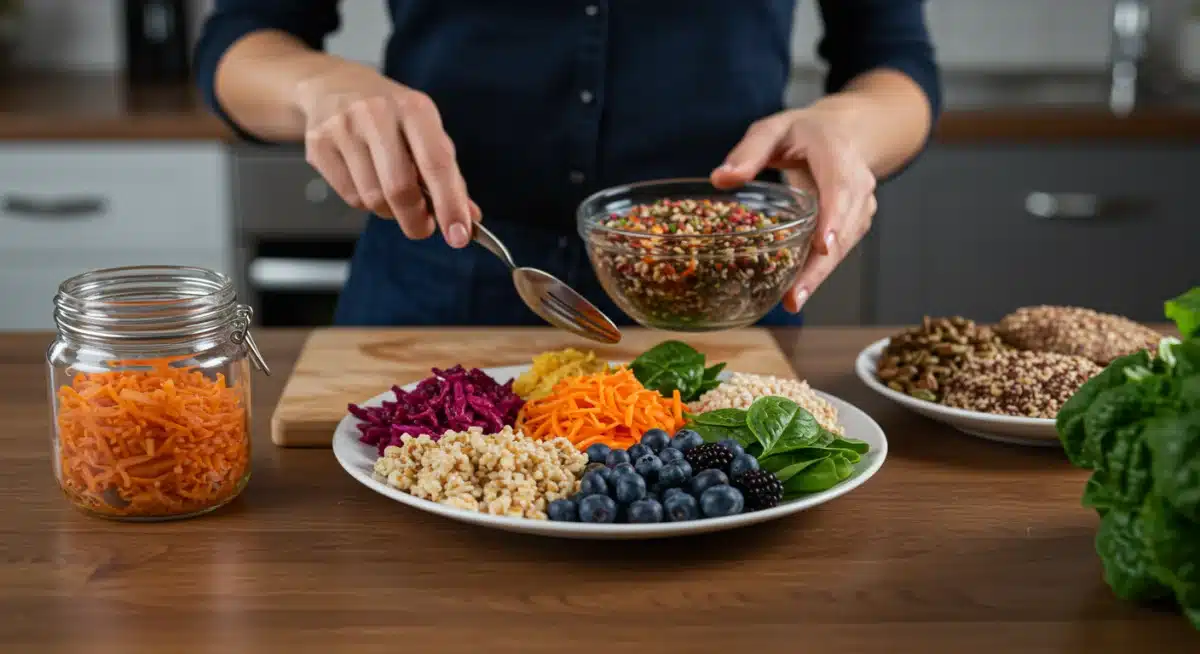
- Fiber Diversity: Aim for a wide array of plant-based foods to ensure a diverse intake of fiber, which is crucial for a robust microbiome. Think different colors, textures, and types of fruits, vegetables, legumes, and whole grains.
Week 7-8: Targeted Supplementation & Gut Lining Support
- Probiotic Supplement: Consider a high-quality, multi-strain probiotic supplement (20-50 billion CFUs) for at least 4-8 weeks. Look for strains like Lactobacillus and Bifidobacterium. Consult with a healthcare professional to choose the best one for your needs.
- L-Glutamine: This amino acid is vital for gut lining integrity. Supplementing with L-glutamine (e.g., 5g daily) can help repair a compromised gut barrier.
- Omega-3 Fatty Acids: Increase your intake of omega-3s (from fatty fish like salmon, sardines, or a high-quality supplement) due to their anti-inflammatory properties, which benefit gut health.
- Collagen/Bone Broth: Collagen-rich foods like bone broth or collagen peptides can help strengthen the gut lining.
Month 3: Restore and Maintain
The final month is about solidifying your progress, reintroducing foods mindfully, and establishing sustainable habits to maintain your newly optimized gut health.
Week 9-10: Mindful Reintroduction & Lifestyle Integration
- Systematic Reintroduction: If you eliminated certain foods in month one, reintroduce them one at a time, slowly, over several days. Observe any symptoms carefully. This helps identify specific triggers.
- Stress Management: Chronic stress is a major gut disruptor. Integrate stress-reducing practices into your daily routine. This could include meditation, yoga, deep breathing exercises, spending time in nature, or engaging in hobbies you enjoy. Aim for at least 15-30 minutes daily.
- Adequate Sleep: Prioritize 7-9 hours of quality sleep per night. Poor sleep can negatively impact gut bacteria diversity and increase inflammation. Establish a consistent sleep schedule and create a relaxing bedtime routine.
- Regular Exercise: Engage in moderate physical activity most days of the week. Exercise has been shown to positively influence gut microbiome diversity and reduce gut transit time.
Week 11-12: Long-Term Strategies & Personalization
- Diversify Your Diet: Continue to eat a wide variety of whole, unprocessed foods. The more diverse your plant-based intake, the more diverse your gut microbiome will be. Aim for 30+ different plant foods per week.
- Listen to Your Body: You are now more in tune with your body’s signals. Continue to pay attention to how different foods and lifestyle choices affect your digestion and overall well-being.
- Limit Antibiotic Use: While sometimes necessary, antibiotics can decimate gut bacteria. If you must take them, discuss strategies with your doctor to minimize gut damage and support recovery (e.g., taking probiotics at a different time of day).
- Periodic Gut Checks: Consider a yearly or bi-yearly check-in with a healthcare professional, especially if you have persistent gut issues, to discuss potential advanced testing (e.g., stool analysis) or personalized recommendations.
Key Pillars to Optimize Gut Health Beyond the 3 Months
While the 3-month plan provides a structured pathway, maintaining optimal gut health is an ongoing journey. Here are the foundational pillars to integrate into your daily life for the long term:
1. Diet: The Cornerstone of Gut Health
Your diet is undeniably the most powerful lever you have to optimize gut health. A diet rich in whole, unprocessed foods is paramount. Focus on:
- High Fiber Intake: Fiber, particularly soluble and insoluble fiber, is the primary food source for your beneficial gut bacteria. Load up on fruits, vegetables, legumes, nuts, seeds, and whole grains.
- Polyphenol-Rich Foods: Polyphenols are plant compounds with antioxidant properties that act as prebiotics. Find them in berries, dark chocolate, green tea, red wine (in moderation), and colorful vegetables.
- Fermented Foods: Regularly include a variety of fermented foods to continually introduce beneficial microbes. Rotate your choices to maximize diversity.
- Avoid Artificial Additives: Steering clear of artificial sweeteners, emulsifiers, and preservatives found in many processed foods is crucial, as they can negatively impact the microbiome.
- Healthy Fats: Incorporate sources of healthy fats like avocados, olive oil, nuts, and seeds, which support gut lining integrity and overall inflammation balance.
2. Lifestyle: Beyond the Plate
Diet alone is not enough; lifestyle factors significantly impact your gut microbiome.
- Stress Management: Chronic stress alters gut motility, increases gut permeability, and changes microbial composition. Techniques like meditation, deep breathing, spending time in nature, and adequate leisure time are vital.
- Quality Sleep: Sleep deprivation can disrupt gut flora. Aim for 7-9 hours of consistent, restorative sleep. Create a dark, quiet, cool sleep environment and stick to a regular sleep schedule.
- Regular Physical Activity: Moderate exercise promotes gut motility, reduces inflammation, and can increase the diversity of beneficial gut bacteria. Find activities you enjoy and make them a regular part of your routine.
- Hydration: Water is essential for every bodily function, including digestion and maintaining the mucosal lining of the gut. Drink plenty of filtered water throughout the day.
- Minimize Environmental Toxins: Exposure to pesticides, heavy metals, and other environmental toxins can harm the gut. Choose organic produce when possible, filter your water, and use natural cleaning products.

3. Supplementation: Strategic Support
While a whole-food diet is primary, certain supplements can provide targeted support, especially during the initial phases of optimizing gut health or for specific needs.
- Probiotics: A high-quality, multi-strain probiotic can help re-establish beneficial bacteria, particularly after antibiotic use or during periods of dysbiosis. Different strains have different benefits, so research or consult a professional.
- Prebiotics: If your dietary intake of prebiotic fibers is insufficient, a prebiotic supplement (e.g., inulin, FOS, GOS) can be beneficial. Start with small doses to avoid discomfort.
- Digestive Enzymes: For individuals with impaired digestion, digestive enzymes can help break down food more efficiently, reducing symptoms like bloating and gas.
- L-Glutamine: As mentioned, L-glutamine is crucial for repairing and maintaining the integrity of the intestinal lining, especially beneficial for ‘leaky gut’ concerns.
- Omega-3 Fatty Acids: Their anti-inflammatory properties are beneficial for reducing gut inflammation and supporting overall gut health.
- Vitamin D: Emerging research suggests Vitamin D plays a role in gut barrier function and modulating the immune response within the gut.
Common Pitfalls to Avoid When Trying to Optimize Gut Health
While embarking on this journey, it’s easy to fall into common traps. Being aware of these can help you stay on track:
- Overdoing It Too Quickly: Introducing too many new foods or supplements at once can overwhelm your system and cause discomfort. Gradual changes are more sustainable and allow your gut to adapt.
- Ignoring Individual Sensitivities: What works for one person may not work for another. Pay close attention to your body’s unique responses to different foods and supplements.
- Expecting Instant Results: Healing and rebalancing the gut takes time. Be patient and consistent. Significant improvements often become noticeable after several weeks or months.
- Solely Relying on Supplements: Supplements are meant to supplement a healthy diet and lifestyle, not replace them. They are tools, not magic bullets.
- Not Addressing Stress: Neglecting stress management is one of the biggest sabotages to gut health. The gut-brain axis ensures that chronic stress will undermine even the best dietary efforts.
- Inconsistent Habits: Sporadic efforts will yield sporadic results. Consistency in diet, sleep, exercise, and stress reduction is fundamental to long-term gut health.
The Science Behind Optimizing Gut Health
The field of gut microbiome research is rapidly expanding, continuously revealing new insights into its complexities. Studies consistently link a diverse and balanced gut microbiome to better health outcomes. For instance:
- Immune System Modulation: Approximately 70-80% of your immune cells reside in your gut. A healthy microbiome trains and regulates these cells, enhancing your body’s ability to fight off pathogens and reducing the risk of autoimmune conditions.
- Nutrient Absorption: Beneficial bacteria aid in the digestion and absorption of nutrients, including vitamins and minerals, which might otherwise pass through undigested. They also produce short-chain fatty acids (SCFAs) like butyrate, which are crucial for colon health and have systemic anti-inflammatory effects.
- Metabolic Health: The gut microbiome influences metabolism, blood sugar regulation, and fat storage. Dysbiosis has been linked to insulin resistance, obesity, and type 2 diabetes.
- Mental Health: As discussed with the gut-brain axis, the production of neurotransmitters like serotonin and GABA by gut microbes directly impacts mood, anxiety, and depression.
- Skin Health: The ‘gut-skin axis’ highlights how gut imbalances can manifest as skin conditions like acne, eczema, and psoriasis.
By actively working to optimize gut health, you are investing in a powerful system that underpins almost every aspect of your physical and mental well-being.
What to Expect During Your 3-Month Journey
Understanding what to expect can help you navigate this journey with greater confidence:
- Initial Adjustment: In the first few weeks, as you eliminate certain foods and introduce new ones, you might experience some temporary digestive changes, such as increased gas or slight changes in bowel movements. This is often a sign that your gut bacteria are shifting and adjusting.
- Improved Digestion: As you progress, you should notice a reduction in bloating, gas, indigestion, and more regular bowel movements.
- Increased Energy: Better nutrient absorption and reduced inflammation can lead to improved energy levels and less fatigue.
- Mood Enhancement: Many individuals report improved mood, reduced anxiety, and greater mental clarity as their gut health improves.
- Stronger Immunity: You might find yourself getting sick less often or recovering more quickly from illnesses.
- Skin Improvements: For those with gut-related skin issues, you may observe clearer, healthier skin.
Keep a journal throughout the three months to track your food intake, symptoms, mood, and energy levels. This will provide valuable insights into what works best for your unique body and help you stay motivated as you see your progress in your efforts to optimize gut health.
Conclusion: A Path to Lasting Well-being in 2026 and Beyond
Embarking on a journey to optimize gut health is one of the most impactful decisions you can make for your overall well-being. This 3-month plan for U.S. adults provides a structured, evidence-based roadmap to transform your digestive system and unlock a wealth of health benefits. By diligently focusing on removing irritants, replenishing beneficial microbes, and integrating supportive lifestyle habits, you are not just addressing symptoms; you are building a resilient foundation for long-term health.
Remember, this is not a restrictive diet but a sustainable lifestyle shift. The goal is to cultivate a diverse and thriving internal ecosystem that supports every aspect of your health, from digestion and immunity to mood and cognitive function. Be patient, be consistent, and listen to your body. As 2026 unfolds, let this be the year you truly take control of your gut health, experiencing the profound positive ripple effects it has on your entire life. Your gut will thank you, and your overall vitality will soar.