Digital Detox 2026: 7 Steps for Mindful Online Presence in the US

In an increasingly interconnected world, where our lives are inextricably linked to screens and digital platforms, the concept of a ‘digital detox’ has never been more relevant. As we step into 2026, the pace of technological advancement continues to accelerate, bringing with it both unparalleled convenience and unprecedented challenges to our mental well-being and focus. This comprehensive guide, specifically tailored for the landscape of the United States, will equip you with 7 practical and actionable steps to embark on a successful digital detox 2026, fostering a more mindful and balanced online presence.
The average American spends an alarming amount of time glued to their devices. From checking emails first thing in the morning to endless scrolling before bed, our digital consumption has become pervasive. While technology offers incredible benefits – facilitating communication, providing access to information, and offering entertainment – its overuse can lead to a host of negative consequences. These include increased anxiety, reduced attention spans, sleep disturbances, feelings of inadequacy, and a diminished capacity for real-world interactions. A digital detox 2026 isn’t about abandoning technology entirely; it’s about recalibrating our relationship with it, ensuring that we are in control, rather than being controlled by it.
This guide delves into the “why” and “how” of a modern digital detox, providing a roadmap for individuals seeking to reclaim their time, improve their focus, and enhance their overall well-being. We’ll explore strategies that are realistic and sustainable, acknowledging that for many, a complete disconnection isn’t feasible or desirable. Instead, we advocate for a conscious and intentional approach to digital engagement, allowing you to harness the power of technology without falling victim to its potential pitfalls.
Understanding the Need for a Digital Detox in 2026
The digital landscape of 2026 is characterized by hyper-connectivity, advanced AI-driven algorithms, and increasingly sophisticated notification systems designed to capture and retain our attention. Social media platforms are more immersive, news cycles are faster, and the boundaries between work and personal life continue to blur, especially with the prevalence of remote work. This constant influx of information and demands on our attention creates a state of perpetual distraction, often leading to mental fatigue and decreased productivity. The need for a digital detox 2026 is therefore more pressing than ever.
Consider the psychological impact. Constant exposure to curated online lives can foster social comparison and feelings of inadequacy. The “fear of missing out” (FOMO) keeps us tethered to our devices, even when we’d rather be present in the moment. Moreover, the blue light emitted from screens disrupts melatonin production, negatively impacting sleep quality, which in turn affects mood, cognitive function, and physical health. Professionally, the expectation of immediate responses can lead to burnout, making it challenging to truly disconnect even after work hours.
A successful digital detox 2026, therefore, is not merely a trend; it’s a necessary practice for maintaining mental clarity, fostering genuine connections, and preserving our personal time and energy. It’s about creating deliberate boundaries and intentional habits that support a healthier relationship with technology. This guide will help you navigate these challenges by offering practical, actionable steps that can be integrated into your daily life, regardless of your professional or personal commitments.
Step 1: Conduct a Digital Audit – Know Your Habits
Before you can effectively detox, you need to understand the extent of your digital consumption. The first crucial step in your digital detox 2026 journey is to conduct a thorough digital audit. This involves tracking your screen time and identifying your primary digital “triggers” and “time sinks.” Most smartphones now come with built-in screen time tracking features (e.g., Apple’s Screen Time, Android’s Digital Wellbeing). Utilize these tools to gain an honest assessment of how much time you spend on your device and, more importantly, which applications consume the most of your attention.
Pay close attention to:
- Total Screen Time: How many hours per day are you actively using your phone, tablet, or computer?
- App Usage Breakdown: Which apps are your biggest time consumers? Is it social media, news, gaming, or productivity tools?
- Pick-Up Count: How many times do you pick up your phone in a day? This often indicates an unconscious habit.
- First and Last Interactions: When do you first check your phone in the morning, and when do you last look at it at night?
- Emotional Triggers: What emotions or situations lead you to reach for your device? Is it boredom, stress, loneliness, or a need for distraction?
This audit isn’t about judgment; it’s about awareness. You might be surprised by the actual numbers. Many people underestimate their screen time by a significant margin. Once you have this data, you can identify specific areas for reduction. For example, if you find yourself spending three hours a day on a particular social media app, that becomes a prime target for your digital detox 2026 efforts. Documenting these habits, perhaps in a journal or a simple spreadsheet, can provide a clear baseline for measuring your progress.
Understanding your habits is the foundation upon which all other steps of your digital detox will be built. Without this initial self-awareness, any attempts at reducing screen time might feel arbitrary and unsustainable.
Step 2: Declutter Your Digital Environment
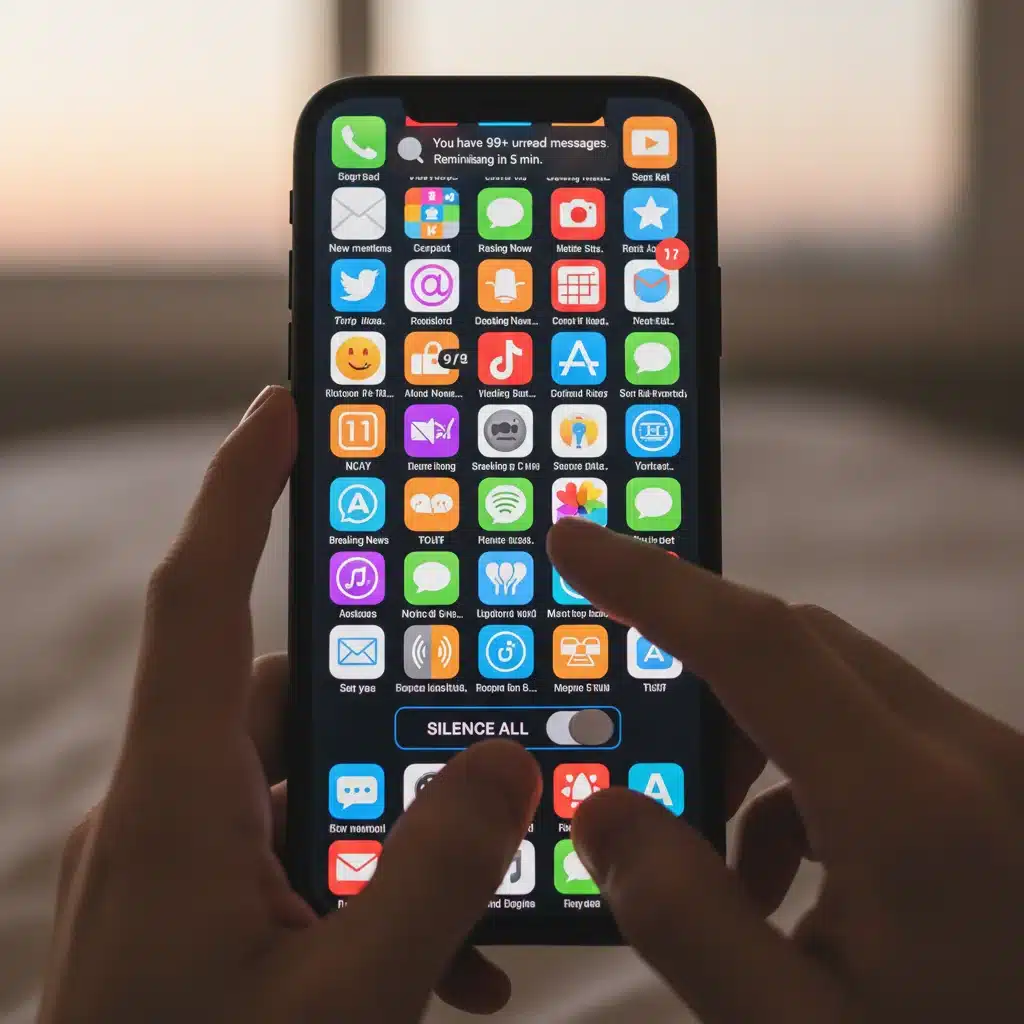
Just as you would declutter a physical space to reduce visual noise and improve organization, a key component of a successful digital detox 2026 is to declutter your digital environment. This means streamlining your apps, unsubscribing from unnecessary emails, and organizing your digital files to reduce cognitive load and temptation.
Start with your smartphone and tablet:
- Delete Unused Apps: Go through your app list and ruthlessly delete anything you haven’t used in the last month or that doesn’t serve a clear, positive purpose. Less clutter means fewer distractions.
- Organize Remaining Apps: Group essential apps into folders. Move distracting apps (social media, games) off your home screen and into less accessible folders, or even to a second or third screen. This adds a tiny bit of friction that can make a big difference.
- Disable Notifications: This is perhaps one of the most impactful steps. Turn off all non-essential notifications for every app. Keep only those that are absolutely critical (e.g., emergency alerts, essential work communications). Constant pings and vibrations are designed to pull your attention away, and disabling them is a powerful way to reclaim focus.
- Unsubscribe from Email Lists: Open your email inbox and unsubscribe from newsletters, promotional emails, and marketing lists that no longer serve you or that you never read. A cleaner inbox means less time spent sifting through irrelevant content.
- Clean Up Your Desktop/Cloud Storage: A cluttered computer desktop or disorganized cloud storage can contribute to mental clutter. Take time to organize files, delete old documents, and create a system that makes finding what you need efficient and stress-free.
The goal here is to create a digital space that is minimalist and functional, reducing the number of digital “hooks” that pull you back into unproductive habits. By simplifying your digital world, you make it easier to engage intentionally and to disengage when necessary, a cornerstone of any effective digital detox 2026.
Step 3: Establish Digital-Free Zones and Times
One of the most effective strategies for a sustainable digital detox 2026 is to create clear boundaries for when and where digital devices are allowed. This involves designating specific digital-free zones and times in your daily routine. The aim is to carve out pockets of your day and areas in your home where you can be fully present without the constant pull of screens.
Consider implementing the following:
- Bedroom as a No-Phone Zone: This is perhaps the most critical digital-free zone. Keep your smartphone, tablet, and laptop out of the bedroom. Invest in an old-fashioned alarm clock. This prevents late-night scrolling, improves sleep quality, and ensures your first moments of the day aren’t dictated by notifications.
- Meal Times: Make family meals or even solo meals a device-free experience. Engage in conversation, savor your food, and practice mindful eating. This encourages genuine connection and presence.
- First Hour of the Day: Resist the urge to check your phone immediately upon waking. Use this time for reflection, meditation, exercise, or a mindful breakfast. Setting a calm tone for your morning can positively impact the rest of your day.
- Last Hour Before Bed: Similarly, create a digital curfew. Power down all screens at least an hour before you plan to sleep. Read a physical book, listen to music, or engage in a relaxing hobby to prepare your mind for rest.
- Designated “Offline” Spaces: Identify specific areas in your home, like a reading nook or a garden, where devices are explicitly not allowed. These become sanctuaries for unplugged activities.
- Social Gatherings: When spending time with friends or family, make a conscious effort to put your phone away and be fully present in the conversation. You might even suggest a “phone stack” game where everyone places their phone face down in the middle of the table, and the first person to pick theirs up pays for a round or a portion of the bill.
Consistency is key with this step. It might feel challenging at first, especially if you’re accustomed to constant connectivity. However, establishing these clear boundaries will gradually retrain your brain to expect periods of disconnection, making your digital detox 2026 efforts more effective and enjoyable.
Step 4: Schedule Intentional Digital Breaks and Activities
A digital detox 2026 isn’t about deprivation; it’s about intentionality. Instead of passively consuming digital content, actively schedule periods of disconnection and fill that time with enriching, non-digital activities. This step helps you replace old habits with new, healthier ones, making your detox sustainable and enjoyable.
Here’s how to approach it:
- Plan Offline Activities: Brainstorm a list of hobbies and activities you enjoy that don’t involve screens. This could include reading physical books, going for walks in nature, gardening, cooking, painting, playing a musical instrument, journaling, or spending quality time with loved ones face-to-face.
- Schedule “Unplugged” Time: Just as you schedule work meetings or appointments, schedule dedicated “unplugged” blocks in your calendar. This could be an hour every evening, a few hours on the weekend, or even a full day once a week. Treat these appointments with the same importance as any other commitment.
- Embrace Boredom (Initially): When you first start unplugging, you might experience a sense of boredom or restlessness. This is normal. Instead of immediately reaching for your phone, embrace this feeling. It’s often in these moments of quiet reflection that creativity and new ideas emerge.
- Reconnect with Nature: Spending time outdoors has profound benefits for mental and physical health. Schedule regular walks, hikes, or simply sit in a park without your phone. The natural environment offers a powerful antidote to digital overload.
- Engage in Creative Pursuits: Many people find solace and joy in creative activities. Whether it’s writing, drawing, knitting, or photography (with a traditional camera!), these pursuits offer a different kind of engagement that can be deeply satisfying.
- Prioritize Real-Life Connections: Make an effort to meet friends for coffee, call family members, or engage in community activities. These face-to-face interactions are vital for human well-being and often get sidelined by digital communication.
By proactively filling your newly freed time with meaningful offline activities, you’ll discover that a digital detox 2026 isn’t about missing out; it’s about gaining a richer, more fulfilling life experience.
Step 5: Leverage Technology Mindfully (Grey Areas)
A truly effective digital detox 2026 acknowledges that for most people, complete technological abstinence is neither practical nor desirable. The goal isn’t to eliminate technology, but to use it mindfully. This step focuses on how to leverage technology to support your well-being, rather than detract from it, identifying the “grey areas” where technology can be a tool for good.
Here are ways to engage mindfully:
- Use Productivity Apps Wisely: Instead of being a source of distraction, certain apps can help you manage your time and focus. Tools like “Forest” (which grows a tree when you stay off your phone) or “Pomodoro timers” can encourage focused work sessions.
- Curate Your Feeds: Be intentional about who you follow and what content you consume on social media. Unfollow accounts that make you feel inadequate, stressed, or angry. Seek out content that is inspiring, informative, or genuinely entertaining. Remember, you control your feed.
- Set Time Limits for Apps: Utilize the screen time features on your phone to set daily limits for specific apps. Once the limit is reached, the app will be locked, requiring a conscious decision to override it. This small barrier can be surprisingly effective.
- Batch Communication: Instead of constantly checking emails and messages, designate specific times of the day to respond to them. This allows for focused work periods and reduces the urge to constantly switch tasks.
- Educational and Skill-Building Platforms: Use your devices to learn new skills, take online courses, or read insightful articles. Transform your screen time from passive consumption to active learning.
- Digital “Do Not Disturb” Modes: Master your phone’s “Do Not Disturb” settings. Configure them to allow only essential calls or messages to come through during certain hours, giving you peace without completely isolating yourself.
- Mindful Use of Entertainment: If you enjoy streaming services or gaming, schedule specific times for these activities rather than letting them become endless background noise. Engage with them actively and then disengage when done.
By being deliberate and strategic in your use of technology, you can transform it from a potential distraction into a valuable asset that supports your goals for a balanced and mindful life, making your digital detox 2026 a nuanced and personalized experience.

Step 6: Communicate Your Digital Detox Intentions
Embarking on a digital detox 2026 doesn’t happen in a vacuum. Your digital habits often intertwine with your relationships, work responsibilities, and social expectations. To ensure success and avoid misunderstandings, it’s crucial to communicate your intentions to those around you – family, friends, and colleagues.
Here’s why and how to communicate effectively:
- Set Expectations with Family and Friends: Let your loved ones know that you’ll be reducing your screen time or taking breaks from certain platforms. Explain your reasons (e.g., better sleep, more presence, improved focus). This prevents them from feeling ignored if you don’t respond immediately to a text or comment on their social media post. Suggest alternative ways to connect, like a phone call or meeting up in person.
- Inform Colleagues and Supervisors: If your digital detox impacts your responsiveness during work hours or after, have an open conversation with your team. Clarify your availability and set boundaries. For example, you might state that you’ll check emails only during specific blocks of time or that you won’t be available for non-urgent communication after a certain hour. This is particularly important for remote workers in the US.
- Utilize Auto-Responders: For email or messaging platforms, consider setting up an auto-responder during your designated “off-grid” times, informing people of your unavailability and when they can expect a response. This manages expectations without you having to be constantly checking.
- Explain the “Why”: People are generally more understanding when they know the motivation behind your actions. Briefly explain that you’re doing this for your well-being, to improve focus, or to spend more quality time offline. This can even inspire others to consider their own digital habits.
- Be Prepared for Pushback: Some people might not immediately understand or might even feel inconvenienced. Be patient and reiterate your commitment to your well-being. Over time, they will likely adapt to your new boundaries.
- Lead by Example: Your actions speak louder than words. By consistently adhering to your digital boundaries, you demonstrate the importance of your digital detox 2026 and subtly encourage others to reflect on their own digital use.
Open and honest communication creates a supportive environment for your digital detox 2026. It ensures that your efforts to disconnect don’t inadvertently lead to strained relationships or professional setbacks, making your journey smoother and more successful.
Step 7: Reflect, Adjust, and Sustain Your Digital Detox
A digital detox 2026 is not a one-time event; it’s an ongoing process of self-awareness, adaptation, and commitment. The final step involves regular reflection on your progress, adjusting your strategies as needed, and building sustainable habits for the long term. The digital world is constantly evolving, and so should your approach to managing it.
Key aspects of this step include:
- Regular Self-Assessment: Periodically review your screen time data and your overall feelings. Are you sleeping better? Do you feel more focused? Are your real-life interactions more fulfilling? What challenges are you still facing? Be honest with yourself about what’s working and what’s not.
- Flexibility and Adjustment: Life happens, and sometimes you’ll need to be more connected than others. Don’t view occasional slip-ups as failures. Instead, see them as opportunities to learn and adjust your strategy. If a particular rule isn’t working, modify it. The goal is progress, not perfection.
- Identify Long-Term Triggers: Beyond initial awareness, delve deeper into the root causes of your digital overconsumption. Is it stress? Loneliness? A need for validation? Addressing these underlying issues can lead to more profound and lasting change in your digital habits.
- Celebrate Small Victories: Acknowledging your progress, no matter how small, can be highly motivating. Did you go an entire evening without checking social media? Did you read a chapter of a book instead of scrolling? Celebrate these wins to reinforce positive behavior.
- Seek Support: Connect with others who are also trying to reduce their screen time. Share tips, challenges, and successes. A supportive community can provide encouragement and accountability.
- Educate Yourself Continuously: Stay informed about the latest research on technology’s impact on well-being. Understanding the mechanisms behind digital addiction can empower you to make smarter choices.
- Integrate Mindfulness Practices: Incorporate mindfulness into your daily routine, whether through meditation, deep breathing exercises, or simply paying more attention to your surroundings. These practices enhance your ability to be present and reduce the urge to constantly seek digital stimulation.
By embracing reflection and flexibility, you can ensure that your digital detox 2026 evolves into a sustainable lifestyle that supports your mental health, relationships, and overall quality of life. It’s about cultivating a conscious relationship with technology, one that serves you rather than enslaving you.
Conclusion: Embracing a Mindful Online Presence in the US
The journey towards a more mindful online presence in 2026 is a personal one, but it’s a journey worth taking. The increasingly pervasive nature of digital technology, while offering undeniable benefits, also presents significant challenges to our focus, well-being, and capacity for genuine human connection. By following these 7 practical steps for a digital detox 2026, you can reclaim control over your digital life and cultivate a healthier, more balanced relationship with technology.
Remember, a digital detox is not about completely abandoning the digital world; it’s about intentionality. It’s about making conscious choices about when, where, and how you engage with your devices. From conducting a thorough digital audit to establishing digital-free zones, scheduling intentional offline activities, and communicating your boundaries, each step plays a vital role in building a sustainable framework for mindful digital use.
The benefits extend far beyond simply reducing screen time. You can expect improved sleep, enhanced focus and productivity, stronger real-world relationships, reduced anxiety, and a greater appreciation for the present moment. In the bustling and hyper-connected landscape of the United States, taking these deliberate steps can be a powerful act of self-care and empowerment.
As you move forward, embrace the process of reflection and adjustment. Your digital habits will continue to evolve, and your strategies for managing them should too. By committing to this ongoing journey, you’re not just unplugging; you’re investing in a richer, more fulfilling, and ultimately more human experience in 2026 and beyond. Take the first step today towards a more mindful and balanced digital life.