15-Minute Daily Movement: Achieve 2026 Fitness Goals with Minimal Time
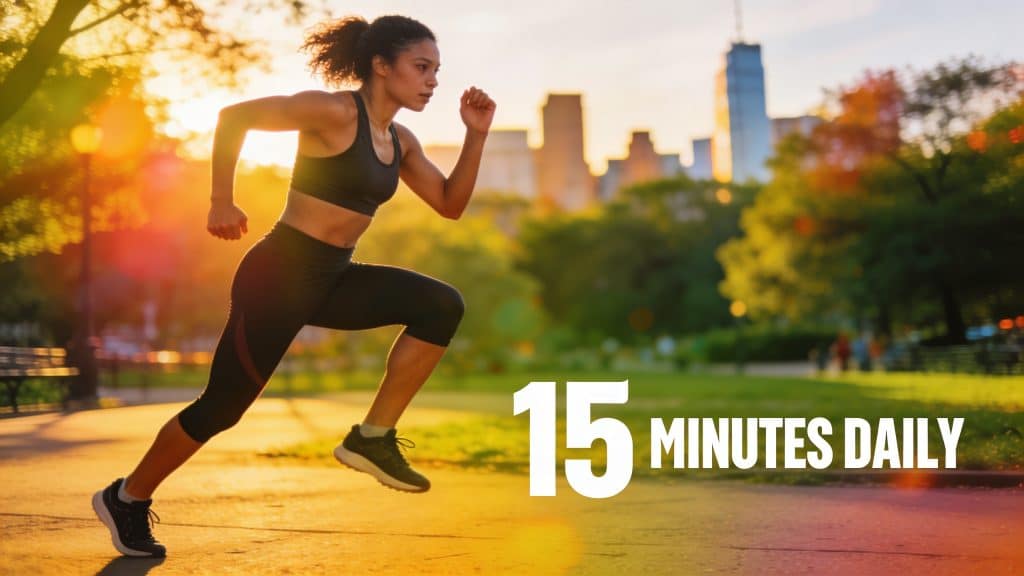
The 15-Minute Daily Movement Challenge: Achieving 2026 Fitness Goals with Minimal Time Commitment for Busy Americans
In the relentless pace of modern life, especially for busy Americans, finding time for fitness often feels like an insurmountable challenge. The demands of work, family, and personal responsibilities leave little room for dedicated gym sessions or lengthy workout routines. Yet, the desire for better health, increased energy, and a more vibrant life persists. As we look towards 2026, many are setting ambitious fitness goals, only to be daunted by the perceived time investment. What if there was a way to achieve significant health benefits and reach those goals with a surprisingly small commitment? Enter the 15-minute daily movement challenge – a powerful, accessible, and sustainable approach to fitness that fits seamlessly into even the most packed schedules.
This comprehensive guide will delve into the transformative potential of consistent, short bursts of physical activity. We’ll explore why 15-minute daily movement is not just a trend but a scientifically backed strategy for improving physical and mental well-being. We’ll break down practical ways to integrate this habit into your life, offer diverse activity ideas, and provide motivation to stay committed. Our aim is to equip you with the knowledge and tools to make 2026 your healthiest year yet, proving that profound changes don’t always require grand gestures, but rather consistent, small steps.
The Science Behind Short Bursts: Why 15-Minute Daily Movement Works
The notion that effective exercise requires hours in the gym is a persistent myth that often deters individuals from even starting their fitness journey. However, a growing body of scientific evidence suggests that short, intense, or even moderate bursts of physical activity throughout the day can yield remarkable health benefits. The concept of 15-minute daily movement leverages this principle, making fitness achievable for everyone, regardless of their current physical condition or time constraints.
Breaking Down the Benefits: More Than Just a Quick Fix
When you commit to 15 minutes of movement each day, you’re not just doing a token workout; you’re actively engaging in a process that positively impacts multiple physiological systems. Let’s explore some key benefits:
- Improved Cardiovascular Health: Even short periods of elevated heart rate contribute to a stronger heart and improved circulation. Regular 15-minute daily movement can help lower blood pressure, reduce cholesterol levels, and decrease the risk of heart disease.
- Enhanced Mood and Mental Clarity: Physical activity triggers the release of endorphins, natural mood elevators. A quick 15-minute session can reduce stress, alleviate anxiety, and improve cognitive function, leading to better focus and productivity throughout your day.
- Increased Energy Levels: Counterintuitively, moving more often can combat fatigue. Regular activity boosts oxygen delivery to your tissues and helps your cardiovascular system work more efficiently, giving you more energy for daily tasks.
- Better Sleep Quality: Consistent physical activity, particularly earlier in the day, helps regulate your sleep-wake cycle, leading to deeper, more restorative sleep.
- Weight Management Support: While 15 minutes might not burn hundreds of calories, consistent daily activity contributes to your overall caloric expenditure. More importantly, it boosts your metabolism and encourages healthier lifestyle choices.
- Improved Flexibility and Mobility: Incorporating stretching, yoga, or dynamic movements within your 15-minute daily movement routine can significantly improve joint flexibility and range of motion, reducing stiffness and preventing injuries.
- Blood Sugar Regulation: Regular physical activity helps your body use insulin more effectively, which is crucial for managing blood sugar levels and reducing the risk of type 2 diabetes.
- Bone Density Maintenance: Weight-bearing exercises, even light ones, stimulate bone formation and help maintain bone density, reducing the risk of osteoporosis later in life.
The Compounding Effect: Small Efforts, Big Results
The true power of 15-minute daily movement lies in its consistency. While a single 15-minute session might seem insignificant, accumulated over days, weeks, and months, these small efforts compound into substantial health improvements. Think of it like saving money – small, regular contributions add up to a significant sum over time. Similarly, regular physical activity builds resilience, strengthens your body, and primes your mind for overall well-being. It’s about establishing a habit, a non-negotiable part of your day, rather than viewing exercise as an occasional, burdensome task.
Designing Your 15-Minute Daily Movement Routine for 2026
The beauty of the 15-minute daily movement challenge is its flexibility. There’s no one-size-fits-all approach; instead, you can tailor your routine to your preferences, energy levels, and available resources. The key is to find activities you enjoy and that you can realistically commit to every day. Here are some categories and ideas to inspire your 2026 fitness journey:
1. Cardio Bursts: Get Your Heart Pumping
Cardiovascular health is paramount, and even short bursts can make a difference. These activities are excellent for boosting energy and burning calories.
- Brisk Walking/Jogging: Step outside for a quick walk around the block, or if you have a treadmill, hop on for a brisk pace. If you’re feeling energetic, try a short jog.
- Stair Climbing: If you have access to stairs, climbing them for 15 minutes is an incredibly effective cardio and leg workout.
- Jumping Jacks/High Knees/Butt Kicks: These bodyweight exercises can be done anywhere and are fantastic for getting your heart rate up quickly. Try doing 30-60 second intervals with short rests in between.
- Dancing: Put on your favorite upbeat music and just dance! It’s fun, stress-relieving, and a great way to move your whole body.
- Jumping Rope: An excellent full-body cardio workout that can be done in a small space.
2. Strength & Resistance: Build and Maintain Muscle
Building muscle is crucial for metabolism, bone health, and overall functional strength. You don’t need weights to get a good strength workout.
- Bodyweight Circuit: Combine exercises like squats, lunges, push-ups (on knees or against a wall if needed), planks, and crunches. Do each for 45 seconds, rest for 15, and cycle through the exercises.
- Resistance Band Work: Resistance bands are portable and versatile. Use them for squats, glute bridges, bicep curls, and shoulder presses.
- Chair Dips/Assisted Squats: Use furniture to assist with exercises if you’re new to strength training.
- Wall Sits: A great way to build leg strength and endurance.
3. Flexibility & Mobility: Improve Range of Motion and Reduce Stiffness
Don’t underestimate the power of stretching and mobility work. This is vital for injury prevention and maintaining ease of movement.
- Yoga/Pilates Flow: Follow a short online yoga or Pilates routine. Many apps offer 10-15 minute sessions perfect for beginners.
- Dynamic Stretching: Incorporate movements like arm circles, leg swings, torso twists, and cat-cow stretches to warm up your joints and muscles.
- Static Stretching: Hold stretches for major muscle groups (hamstrings, quads, chest, back) for 20-30 seconds each.
- Foam Rolling: Spend 15 minutes targeting tight areas with a foam roller to release muscle tension.
4. Mind-Body Connection: Reduce Stress and Enhance Focus
These activities bridge the gap between physical movement and mental well-being.
- Tai Chi/Qigong: These ancient practices involve slow, flowing movements and deep breathing, excellent for balance, flexibility, and stress reduction.
- Mindful Walking: Pay attention to your breath, the sensation of your feet on the ground, and your surroundings during a short walk.
- Breathing Exercises with Light Movement: Combine deep diaphragmatic breathing with gentle stretches or movements like arm raises.
Integrating 15-Minute Daily Movement into Your Busy Schedule
The biggest hurdle for busy Americans is often not the lack of desire, but the perceived lack of time. The beauty of the 15-minute daily movement approach is its inherent flexibility. Here’s how to weave it into even the most demanding schedules:
1. The Early Bird Catches the Worm (and the Workout)
Waking up just 15 minutes earlier can transform your day. Before the demands of work and family kick in, you can complete your movement. It sets a positive tone, boosts your metabolism, and ensures it gets done before other priorities hijack your time. This could be a quick yoga flow, a brisk walk, or a bodyweight circuit.
2. Lunch Break Liberation
Instead of eating at your desk or scrolling on your phone, dedicate 15 minutes of your lunch break to movement. This could be a walk around the office building, taking the stairs, or even a quick stretching session in an empty meeting room. It’s a fantastic way to break up prolonged sitting and re-energize for the afternoon.
3. The After-Work Decompression
Upon returning home, before settling into evening routines, dedicate 15 minutes to physical activity. This acts as a powerful stress reliever, helping you transition from work mode to relaxation. It could be a short jog, a dance session with your kids, or a focused stretching routine.
4. Micro-Bursts Throughout the Day
If a continuous 15-minute block is truly impossible, break it down further. Three 5-minute segments throughout the day can still be incredibly effective. For example:
- Morning: 5 minutes of dynamic stretches before breakfast.
- Mid-day: 5 minutes of brisk walking or stair climbing during a work break.
- Evening: 5 minutes of bodyweight squats and lunges while watching TV.
5. Make it a Family Affair
Involve your family in your 15-minute daily movement. Play active games with your children, go for a short walk together after dinner, or have a family dance party. This not only promotes your health but also instills healthy habits in your loved ones.
6. Leverage Technology and Resources
Numerous apps and online platforms offer short, guided workouts, yoga sessions, or stretching routines. Many are free or low-cost and can be accessed from anywhere, making it easier to stick to your 15-minute daily movement goal.
Overcoming Obstacles: Staying Consistent with Your 15-Minute Daily Movement
Even with the best intentions, maintaining consistency can be challenging. Life happens, and excuses can easily creep in. Here’s how to anticipate and overcome common obstacles to ensure your 15-minute daily movement becomes a non-negotiable part of your 2026 routine:
1. The “No Time” Excuse (Again)
This is the most common barrier. Reframe your thinking: it’s not about finding time, it’s about making time. Schedule your 15 minutes like you would any other important appointment. Put it in your calendar. Set an alarm. Remember, 15 minutes is only 1% of your day. If you truly cannot find a continuous 15 minutes, break it into smaller 5-minute chunks.
2. Lack of Motivation
Motivation ebbs and flows. Don’t rely solely on it. Instead, build habits. Create a trigger: for example, every time you boil the kettle for coffee, do 5 minutes of squats. Or, immediately after brushing your teeth in the morning, do your 15 minutes. Also, focus on how good you feel *after* the activity, not just the effort required to start.
3. Boredom and Repetitiveness
Variety is the spice of life, and fitness. Don’t stick to the same routine every day. Alternate between cardio, strength, and flexibility. Discover new short workout videos online. Change your walking route. Try dancing one day, yoga the next. The more enjoyable your 15-minute daily movement is, the more likely you are to stick with it.
4. Feeling Too Tired
Often, the very thing that makes you feel tired – inactivity – is what you need to combat. A quick 15-minute burst of activity can actually boost your energy levels. If you’re genuinely exhausted, opt for something gentle like stretching or a slow, mindful walk. The goal is movement, not necessarily an intense workout every single day.
5. Injury or Physical Limitations
Always listen to your body. If you have an injury or chronic pain, consult with a healthcare professional or physical therapist to find safe movements. Many exercises can be modified. For example, if knee pain prevents squats, try wall sits or chair stands. The goal is to move within your pain-free range.
6. Forgetting to Move
Use reminders! Set alarms on your phone, put sticky notes on your computer, or use a fitness tracker that prompts you to move. Make your environment conducive to movement – keep a yoga mat visible, or your walking shoes by the door.
7. Perfectionism
Don’t let the perfect be the enemy of the good. Some days your 15-minute daily movement might be a vigorous jog, other days it might just be gentle stretching. Both are valuable. The most important thing is showing up and moving your body, even if it’s not a ‘perfect’ workout.
8. Lack of Support
Share your goal with friends or family. Find an accountability partner who also wants to commit to 15-minute daily movement. Join online communities. Sometimes knowing someone else is doing it too can provide that extra push.
Tracking Progress and Celebrating Milestones
To keep motivation high and truly understand the impact of your 15-minute daily movement, it’s essential to track your progress and celebrate your achievements. This isn’t about obsessing over numbers, but about recognizing the positive changes you’re making.
Simple Ways to Track Your Journey:
- Fitness Journal: A simple notebook where you jot down what you did each day, how you felt, and any improvements.
- Calendar Check-offs: Mark off each day you complete your 15 minutes on a wall calendar. Seeing a long streak can be incredibly motivating.
- Fitness Apps: Many apps allow you to log activities, track consistency, and even set reminders.
- Wearable Devices: Smartwatches and fitness trackers can monitor steps, heart rate, and active minutes, providing objective data on your movement.
Celebrating Your Successes:
Acknowledge your efforts! This doesn’t mean buying expensive gifts, but rather recognizing your commitment and the positive impact it’s having.
- Non-Food Rewards: Treat yourself to a new book, a relaxing bath, or a movie night.
- Reflect on Changes: Take a moment to notice how your energy levels have improved, how you’re sleeping better, or how your clothes fit differently.
- Share Your Journey: Tell a trusted friend or family member about your consistent 15-minute daily movement. Their encouragement can be a great boost.
Beyond 15 Minutes: The Ripple Effect of Daily Movement
While the focus is on the power of 15-minute daily movement, it’s important to understand that this small habit can create a significant ripple effect throughout your entire lifestyle. Once you establish consistency in one area, it often spills over into others.
A Catalyst for Healthier Choices:
When you commit to moving your body daily, you often find yourself naturally gravitating towards other healthier choices. You might start paying more attention to your nutrition, opting for whole foods that fuel your body. You might find yourself drinking more water, or naturally seeking out more opportunities for movement beyond your dedicated 15 minutes. This holistic improvement is one of the most profound benefits of embracing daily movement.
Increased Self-Efficacy and Confidence:
Successfully sticking to a 15-minute daily movement routine builds self-efficacy – your belief in your ability to achieve goals. This newfound confidence can empower you to tackle other challenges in your life, whether personal or professional. You prove to yourself that you are capable of consistent effort and positive change.
Stress Reduction and Resilience:
Regular physical activity is a powerful tool for managing stress. By incorporating daily movement, you’re building a crucial coping mechanism. This increased resilience helps you navigate life’s inevitable challenges with greater ease and a more positive outlook.
Making 2026 Your Year of Consistent Movement
The vision for 2026 doesn’t have to be about unattainable fitness ideals or grueling hours at the gym. For busy Americans, it can be about sustainable, effective, and enjoyable 15-minute daily movement. This approach democratizes fitness, making it accessible to everyone, regardless of their current circumstances.
By committing to this small, yet powerful, daily habit, you are investing in your long-term health, your mental well-being, and your overall quality of life. Start today. Choose an activity you enjoy. Block out 15 minutes. And watch as these small, consistent efforts transform your health and help you achieve your 2026 fitness goals and beyond. Remember, every minute counts, and 15 minutes a day is more than enough to ignite a revolution in your health.