Gut Health & Immunity: 2025 Guide for Americans
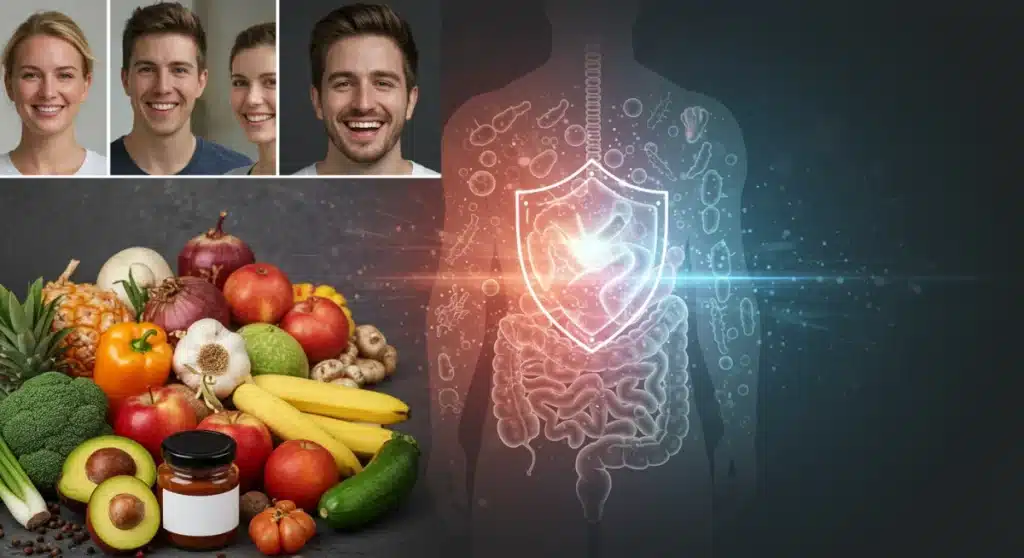
Optimizing gut health is crucial for enhanced immunity; this 2025 guide provides Americans with seven actionable steps, from dietary changes to lifestyle adjustments, to strengthen their body’s defenses effectively and practically.
The 2025 Guide to Boosting Gut Health for Enhanced Immunity: 7 Actionable Steps for Americans (PRACTICAL SOLUTIONS) is more relevant than ever. As we navigate an increasingly complex world, a strong immune system is our first line of defense. And where does that defense begin? Deep within our gut.
Understanding the Gut-Immunity Connection
Our gut, often referred to as our ‘second brain,’ is a bustling ecosystem home to trillions of microorganisms. This intricate community, known as the gut microbiome, plays a pivotal role far beyond digestion. It acts as a command center for our immune system, influencing everything from nutrient absorption to pathogen defense.
The relationship between our gut and immunity is symbiotic. A balanced microbiome trains immune cells, helping them distinguish between harmful invaders and beneficial substances. When this balance is disrupted, known as dysbiosis, our immune system can become compromised, leading to increased susceptibility to infections, chronic inflammation, and even autoimmune conditions. Understanding this fundamental connection is the first step toward proactive health management.
Maintaining a diverse and healthy gut flora is paramount for a robust immune response. This involves a delicate interplay of various bacterial species, fungi, and viruses, all contributing to the overall health of our digestive tract. When this ecosystem thrives, our immune system benefits immensely, providing us with a stronger shield against illness.
Step 1: Embrace a Fiber-Rich Diet
Dietary fiber is not just for regularity; it’s a critical nutrient for your gut microbes. Think of fiber as the primary food source for the beneficial bacteria residing in your colon. These bacteria ferment fiber into short-chain fatty acids (SCFAs), like butyrate, which nourish gut lining cells and exhibit powerful anti-inflammatory properties, directly supporting immune function.
The Power of Prebiotics
- Inulin: Found in foods like chicory root, garlic, onions, and asparagus.
- Fructans: Present in wheat, barley, rye, and bananas.
- Resistant Starch: Abundant in green bananas, oats, and cooked-and-cooled potatoes or rice.
Incorporating a wide variety of plant-based foods ensures a diverse intake of different fiber types, fostering a more robust and resilient gut microbiome. Aim for at least 25-38 grams of fiber daily, gradually increasing your intake to avoid digestive discomfort.
A diet rich in diverse fibers helps cultivate a thriving internal environment, encouraging the growth of beneficial bacteria that produce essential compounds for overall health. This approach not only aids digestion but also significantly contributes to a well-functioning immune system, making it a cornerstone of gut health immunity.
Step 2: Incorporate Fermented Foods Regularly
Fermented foods are natural sources of probiotics, live microorganisms that, when consumed in adequate amounts, confer a health benefit on the host. These beneficial bacteria directly replenish and diversify your gut microbiome, enhancing its protective capabilities and immune modulating effects.
Top Fermented Food Choices
- Yogurt and Kefir: Opt for plain, unsweetened varieties with live active cultures.
- Sauerkraut and Kimchi: Fermented cabbage dishes rich in probiotics and vitamins.
- Tempeh and Miso: Fermented soybean products offering protein and beneficial bacteria.
Regular consumption of these foods can introduce a steady supply of new, beneficial bacteria to your gut, helping to crowd out less desirable microbes and maintain a healthy balance. Look for labels that explicitly state ‘live and active cultures’ to ensure you’re getting the probiotic benefits.
Beyond probiotics, many fermented foods are also rich in prebiotics and other nutrients, creating a synergistic effect that further supports gut health and immunity. Making these a staple in your diet is a delicious and effective strategy for internal well-being.
Step 3: Manage Stress Effectively
The gut-brain axis is a two-way communication highway. Stress, whether chronic or acute, can significantly impact gut integrity and microbial balance. It can alter gut motility, increase intestinal permeability (leaky gut), and shift the composition of your microbiome, all of which can weaken your immune response.

Implementing stress-reduction techniques is not just good for your mind, but vital for your gut and immunity. Simple practices can make a profound difference in maintaining a balanced internal environment.
Effective Stress Reduction Techniques
- Mindfulness Meditation: Daily practice can calm the nervous system.
- Regular Exercise: Even moderate activity helps reduce stress hormones.
- Adequate Sleep: Prioritize 7-9 hours of quality sleep each night.
By actively managing stress, you help protect your gut lining, maintain a healthy microbial balance, and consequently, support a stronger immune system. This holistic approach acknowledges the interconnectedness of mental and physical health in achieving optimal gut health immunity.
Step 4: Prioritize Quality Sleep
Sleep is a fundamental pillar of health, and its impact on both gut health and immunity cannot be overstated. During sleep, our bodies repair and restore, including our gut lining and immune cells. Chronic sleep deprivation can disrupt the gut microbiome, increase inflammation, and impair immune function, making us more vulnerable to illness.
Research indicates that poor sleep can lead to changes in gut bacteria composition, potentially favoring harmful microbes. This imbalance can then exacerbate inflammatory responses and weaken the immune system’s ability to fight off infections. Ensuring consistent and restorative sleep is a direct investment in your gut’s well-being and your overall immune resilience.
Creating a consistent sleep schedule, optimizing your sleep environment, and avoiding caffeine and heavy meals close to bedtime are all strategies that can significantly improve sleep quality. When you sleep well, your gut and immune system have the best chance to perform their protective roles effectively.
Step 5: Stay Hydrated
Water is essential for every bodily function, including digestion and nutrient absorption. Adequate hydration helps maintain the mucosal lining of the gut, which acts as a protective barrier against pathogens. It also aids in the smooth passage of food through the digestive tract, preventing constipation which can negatively impact gut health.
Beyond digestion, sufficient water intake supports the overall health of your gut microbiome by providing an optimal environment for beneficial bacteria to flourish. Dehydration can lead to a less diverse and less functional microbial community, potentially compromising both gut health and immune responses.
Aim to drink at least eight glasses of water daily, and more if you are active or in a hot climate. Herbal teas and water-rich fruits and vegetables also contribute to your daily fluid intake. Staying well-hydrated is a simple yet powerful strategy for supporting your gut and ensuring your immune system operates at its best.
Step 6: Limit Processed Foods and Sugar
The modern American diet, often high in processed foods, refined sugars, and unhealthy fats, can be detrimental to gut health. These ingredients can promote the growth of detrimental bacteria, reduce microbial diversity, and contribute to chronic inflammation, directly undermining your immune system.
Impact of Unhealthy Foods
- Refined Sugars: Can feed pathogenic bacteria and yeasts, leading to dysbiosis.
- Artificial Sweeteners: Some studies suggest they can negatively alter gut flora.
- Unhealthy Fats: May promote inflammation and impair gut barrier function.
By reducing your intake of these gut-unfriendly foods, you create an environment where beneficial bacteria can thrive, leading to a more balanced microbiome and a stronger immune response. Focus on whole, unprocessed foods as the foundation of your diet to foster optimal gut health immunity.
Making conscious choices to limit these dietary culprits is a direct step towards enhancing your gut’s protective capabilities. This shift towards a more natural eating pattern not only benefits your digestive system but also provides widespread advantages for your general health and immune resilience.
Step 7: Consider Targeted Probiotic Supplementation
While diet is paramount, sometimes targeted probiotic supplementation can provide an extra boost, especially after antibiotic use or during periods of stress. However, not all probiotics are created equal, and choosing the right strain for your specific needs is crucial. Consult with a healthcare professional to determine if supplementation is right for you.
When selecting a probiotic, look for products with multiple strains and a high colony-forming unit (CFU) count, typically in the billions. Research specific strains known to support immune health, such as Lactobacillus and Bifidobacterium species. Proper storage, usually refrigeration, is also essential to maintain the viability of the live cultures.
While supplements can be beneficial, they should complement, not replace, a healthy diet rich in fiber and fermented foods. Think of them as an additional tool in your arsenal to optimize gut health and strengthen your immune system, especially when facing specific challenges or deficiencies. This thoughtful approach ensures you are maximizing your gut health immunity efforts.
| Key Step | Brief Description |
|---|---|
| Fiber-Rich Diet | Feeds beneficial gut bacteria, producing immune-boosting SCFAs. |
| Fermented Foods | Introduces live probiotics to diversify and strengthen the microbiome. |
| Stress Management | Protects gut integrity and microbial balance from harmful stress effects. |
| Quality Sleep | Allows gut and immune systems to repair and restore optimally. |
Frequently Asked Questions About Gut Health and Immunity
The gut microbiome is the community of trillions of microorganisms living in your intestines. It’s crucial for immunity because it educates immune cells, helps differentiate between threats and benign substances, and produces compounds that strengthen the gut barrier, all vital for a robust immune response.
Significant improvements can often be noticed within a few weeks to a few months of consistently implementing gut-healthy practices. Dietary changes, stress reduction, and improved sleep can rapidly begin to rebalance your microbiome and support immune function, though individual results vary.
No, not all probiotic supplements are equally effective. Their efficacy depends on the specific strains, CFU count, and viability. It’s important to choose reputable brands, consider supplements with diverse strains like Lactobacillus and Bifidobacterium, and ideally consult a healthcare professional for personalized recommendations.
Yes, antibiotics can significantly impact gut health by indiscriminately killing both harmful and beneficial bacteria, leading to dysbiosis. This disruption can weaken immunity. It’s often recommended to take probiotics during and after antibiotic courses to help restore microbial balance and protect immune function.
Stress profoundly affects gut health and immunity by altering gut motility, increasing permeability, and shifting microbial composition. Chronic stress can lead to inflammation and a weakened immune response, highlighting the critical need for effective stress management techniques to support overall well-being and gut health immunity.
Conclusion
The journey to enhanced immunity in 2025 for Americans is inextricably linked to the health of their gut. By conscientiously adopting these seven actionable steps – embracing a fiber-rich diet, incorporating fermented foods, managing stress, prioritizing quality sleep, staying hydrated, limiting processed foods and sugar, and considering targeted probiotic supplementation – individuals can profoundly impact their well-being. These practical solutions offer a holistic pathway to a more resilient immune system and a healthier life, reaffirming that true strength begins from within.