Achieve 8 Hours: Digital Age Sleep Habits for U.S. Adults by 2026
Sleep Optimization in the Digital Age: How U.S. Adults Can Improve Rest by 2 Hours Nightly Starting March 2026
In an increasingly connected world, the pursuit of adequate and restorative sleep has become a significant challenge for many U.S. adults. The constant glow of screens, the relentless stream of notifications, and the blurred lines between work and personal life have all contributed to a pervasive culture of sleep deprivation. However, achieving optimal rest is not merely a luxury; it’s a fundamental pillar of health, productivity, and overall well-being. This comprehensive guide aims to equip U.S. adults with the knowledge and actionable strategies to improve their digital age sleep by a remarkable two hours nightly, with a clear target of March 2026.
The urgency of this goal cannot be overstated. Chronic sleep deprivation has been linked to a myriad of health issues, including increased risk of heart disease, diabetes, obesity, and mental health disorders such as anxiety and depression. Furthermore, it impairs cognitive function, reduces productivity, and compromises immune system effectiveness. By consciously prioritizing and optimizing our digital age sleep, we can unlock a cascade of positive changes that will benefit every aspect of our lives.
This article will delve into the root causes of sleep loss in the digital era, explore science-backed strategies for sleep improvement, and provide a practical roadmap to integrate these changes into daily life. From understanding circadian rhythms to implementing digital detox routines, we will cover everything you need to embark on your journey towards better, longer, and more restorative sleep.
The Digital Dilemma: Why We’re Losing Sleep in the Modern Era
The dawn of the digital age brought with it unprecedented convenience and connectivity. However, it also introduced new adversaries to our sleep cycles. Understanding these challenges is the first step towards overcoming them and reclaiming our much-needed rest.
Blue Light Exposure and Circadian Rhythm Disruption
One of the most significant culprits in the digital age’s assault on sleep is blue light. Emitted by smartphones, tablets, computers, and LED screens, blue light has a short wavelength and high energy, which can suppress the production of melatonin, the hormone responsible for regulating our sleep-wake cycle (circadian rhythm). When our brains perceive blue light, especially in the evening, they interpret it as daylight, signaling that it’s time to be awake and alert. This artificial stimulation can delay sleep onset, reduce sleep quality, and throw our natural body clock out of sync.
The Always-On Culture and Information Overload
The expectation of constant availability, fueled by email, social media, and instant messaging, has fostered an ‘always-on’ culture. Many U.S. adults find themselves checking work emails late into the night or scrolling through social media feeds, making it difficult to mentally disengage. This constant influx of information and the pressure to respond can keep our minds racing, preventing the relaxation necessary for quality sleep. The line between work and personal life blurs, extending the workday well beyond traditional hours and encroaching upon essential rest time.
Anxiety, Stress, and Digital Dependency
The digital world can also be a source of increased anxiety and stress. Comparing ourselves to others on social media, staying informed about global events, or even the fear of missing out (FOMO) can elevate stress levels. This heightened state of arousal is antithetical to sleep. Furthermore, many individuals develop a digital dependency, feeling compelled to check their devices even when they know it’s detrimental to their sleep. This psychological attachment can make it incredibly difficult to put devices away before bed, perpetuating a vicious cycle of poor digital age sleep.
Setting the Stage for Success: Your March 2026 Sleep Goal
Achieving an extra two hours of sleep nightly by March 2026 requires a structured approach and a firm commitment. This isn’t about drastic, overnight changes, but rather a gradual, sustainable transformation of your sleep habits.
Defining Your Current Sleep Baseline
Before you can add two hours, you need to know where you stand. For one week, keep a sleep diary. Record your bedtime, wake-up time, how long it took you to fall asleep, how many times you woke up, and how you felt upon waking. This will give you a clear picture of your current sleep patterns and identify areas for improvement. Many sleep tracking apps can also provide valuable data, but a simple journal works just as well.
Gradual Adjustments for Sustainable Change
Adding two hours of sleep doesn’t mean jumping from five to seven hours instantly. Instead, aim for incremental changes. Try going to bed 15 minutes earlier each week, or waking up 15 minutes later. Over a few months, these small adjustments will accumulate, making the transition less jarring and more sustainable. The key is consistency and patience. Remember, improving your digital age sleep is a marathon, not a sprint.
Establishing a Realistic Timeline
March 2026 provides a generous timeline, allowing for experimentation and adaptation. This extended period enables you to implement changes, observe their effects, and fine-tune your approach without feeling overwhelmed. Think of it as a journey of self-discovery, where you learn what truly works best for your body and mind in the context of the digital age.
Science-Backed Strategies for Optimizing Your Digital Age Sleep
Now that we understand the challenges and have established a timeline, let’s dive into the practical strategies that will help U.S. adults reclaim their sleep.
1. The Digital Sunset: Prioritizing Screen-Free Evenings
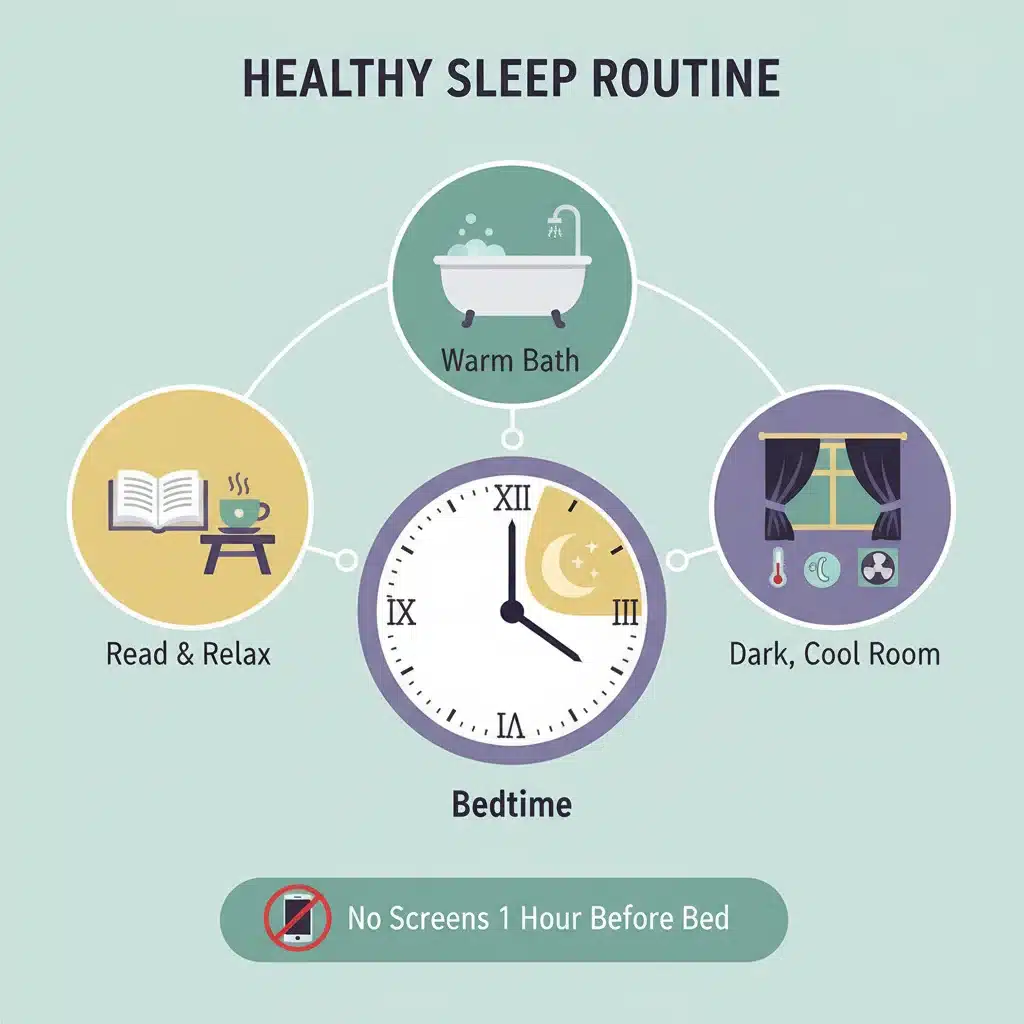
This is arguably the most crucial step for improving digital age sleep. Implement a ‘digital sunset’ at least 60-90 minutes before your intended bedtime. This means powering down all screens – smartphones, tablets, computers, and even televisions. This allows your brain to naturally increase melatonin production, signaling to your body that it’s time to wind down.
- Blue Light Filters: While a digital sunset is ideal, if you absolutely must use a screen in the evening, activate blue light filters on your devices. Many operating systems now have built-in ‘night mode’ or ‘dark mode’ features that shift screen colors to warmer tones.
- Analog Alternatives: Replace screen time with relaxing analog activities. Read a physical book, listen to calming music or a podcast, practice meditation, write in a journal, or engage in a quiet hobby.
- Charging Station Away from the Bedroom: Designate a charging station for all your devices outside the bedroom. This removes the temptation to check notifications or scroll through feeds in bed.

2. Cultivating a Consistent Sleep Schedule
Our bodies thrive on routine. Going to bed and waking up at roughly the same time each day, even on weekends, helps to regulate your circadian rhythm. This consistency strengthens your body’s natural sleep-wake cycle, making it easier to fall asleep and wake up feeling refreshed.
- Set a Firm Bedtime and Wake-Up Time: Choose times that allow for 7-9 hours of sleep. Stick to these times as closely as possible, even if you feel you don’t need the full amount initially. Your body will adjust.
- Weekend Consistency: While it’s tempting to ‘catch up’ on sleep on weekends, large fluctuations can disrupt your rhythm. Try to keep your weekend sleep schedule within an hour of your weekday schedule.
3. Optimizing Your Sleep Environment
Your bedroom should be a sanctuary for sleep, free from distractions and conducive to rest. This is crucial for improving your digital age sleep.
- Darkness: Ensure your bedroom is as dark as possible. Use blackout curtains or blinds to block out external light. Even small amounts of light can disrupt melatonin production.
- Quiet: Minimize noise. Use earplugs, a white noise machine, or a fan to mask disruptive sounds.
- Cool Temperature: The ideal sleep temperature is typically between 60-67 degrees Fahrenheit (15-19 degrees Celsius). A cooler room signals to your body that it’s time to sleep.
- Comfortable Mattress and Pillows: Invest in a mattress and pillows that provide adequate support and comfort. These are long-term investments in your sleep health.
- Declutter: A cluttered bedroom can contribute to a cluttered mind. Keep your sleep space clean and organized to promote a sense of calm.
4. Mindful Eating and Drinking Habits
What you consume, and when you consume it, significantly impacts your sleep quality.
- Limit Caffeine and Alcohol: Avoid caffeine in the late afternoon and evening, as its stimulating effects can linger for hours. While alcohol might initially make you feel drowsy, it disrupts the restorative stages of sleep later in the night.
- Avoid Heavy Meals Before Bed: Eating large, heavy meals close to bedtime can lead to indigestion and discomfort, making it difficult to fall asleep. Aim to finish your last meal at least 2-3 hours before bed.
- Stay Hydrated, But Not Too Much: Drink plenty of water throughout the day, but reduce fluid intake in the hour or two before bed to minimize nighttime bathroom trips.
5. Incorporating Regular Physical Activity
Regular exercise can significantly improve sleep quality and duration. However, timing is key.
- Morning or Afternoon Workouts: Aim to exercise earlier in the day. Vigorous exercise too close to bedtime can be stimulating and make it harder to fall asleep due to elevated body temperature and endorphins.
- Consistency: Even moderate, regular exercise, like a daily walk, can make a positive difference in your digital age sleep.
6. Stress Management and Relaxation Techniques
In the digital age, stress is almost inevitable. Learning to manage it effectively is paramount for good sleep.
- Mindfulness and Meditation: Incorporate daily mindfulness or meditation practices. Even 10-15 minutes a day can reduce anxiety and improve your ability to relax before bed.
- Deep Breathing Exercises: Simple deep breathing exercises can calm your nervous system. Try the 4-7-8 breathing technique: inhale for 4 counts, hold for 7, exhale for 8.
- Journaling: If your mind races with worries before bed, try writing them down in a journal a few hours before sleep. This can help to offload thoughts and prevent them from keeping you awake.
- Warm Bath or Shower: A warm bath or shower before bed can help your body relax and signal that it’s time to wind down.
7. Strategic Napping (If Necessary)
While the goal is to improve nighttime sleep, a short, strategic nap can be beneficial if you’re experiencing daytime fatigue.
- Keep it Short: Aim for 20-30 minute power naps to avoid entering deep sleep, which can lead to grogginess and interfere with nighttime sleep.
- Early Afternoon: Nap in the early afternoon (e.g., between 1 PM and 3 PM) to avoid disrupting your circadian rhythm.
Overcoming Common Sleep Obstacles in the Digital Age
Even with the best intentions, several digital age factors can still impede your progress. Here’s how to navigate them:
The Siren Song of Social Media and Notifications
It’s easy to get sucked into endless scrolling or feel compelled to check notifications. To combat this, physically remove your phone from your bedroom. If that’s not feasible, use ‘Do Not Disturb’ modes and place your phone face down or out of sight. Consider setting app limits or using grayscale mode on your phone to make it less appealing in the evenings. Remember, your digital age sleep is more important than a fleeting notification.
Work-Life Balance in a Remote World
For many U.S. adults working remotely, the lines between work and home have blurred significantly. Establish clear boundaries. Create a dedicated workspace that you can ‘leave’ at the end of the day. Avoid checking work emails or messages after a certain hour. Communicate your availability to colleagues and clients to manage expectations. Disconnecting from work mentally is just as important as disconnecting physically from devices.
Information Overload and Anxiety-Inducing News
The 24/7 news cycle and constant updates can be overwhelming and anxiety-provoking. Limit your consumption of news, especially before bed. Choose specific times to catch up on current events, but avoid doom-scrolling. Focus on positive or neutral content in the evenings to help your mind relax.
The ‘Just One More Episode’ Trap
Binge-watching streaming services is a common nighttime activity that can easily steal hours from your sleep. Use the auto-play feature to your advantage by turning it off, or set a timer for your viewing. Better yet, choose a specific cutoff time for all screen-based entertainment and stick to it, prioritizing your digital age sleep over fictional narratives.
Tracking Your Progress and Staying Motivated
As you work towards your March 2026 goal, monitoring your progress is essential to stay motivated and make necessary adjustments.
Sleep Tracking Apps and Wearables
Many apps and wearable devices (smartwatches, fitness trackers) can monitor your sleep patterns, including sleep duration, sleep stages (REM, deep, light), and disturbances. While not always perfectly accurate, they can provide valuable insights into trends and help you identify what strategies are working. Pay attention to how you feel, too – subjective well-being is a key indicator of improved sleep.
Journaling and Self-Reflection
Continue your sleep diary. Note not just the numbers, but also how you feel emotionally and physically each day. Are you more alert? Less irritable? More productive? Connecting these positive outcomes to your improved sleep will reinforce your motivation. Reflect on challenges and successes, and adjust your strategies as needed.
Celebrating Small Victories
Don’t wait until March 2026 to acknowledge your efforts. Celebrate small milestones along the way. Did you consistently hit your digital sunset goal for a week? Did you add an extra 30 minutes of sleep? Acknowledge these achievements to maintain momentum and build confidence in your ability to optimize your digital age sleep.
When to Seek Professional Help
While these strategies are highly effective for most U.S. adults, some individuals may face underlying sleep disorders that require professional intervention. If, despite consistent effort, you continue to experience significant sleep difficulties, it’s important to consult a healthcare professional.
- Persistent Insomnia: If you regularly struggle to fall asleep or stay asleep for more than a month.
- Excessive Daytime Sleepiness: If you feel overwhelmingly tired during the day, even after what you believe was adequate sleep.
- Loud Snoring or Breathing Pauses: These could be symptoms of sleep apnea, a serious condition where breathing repeatedly stops and starts during sleep.
- Restless Legs Syndrome: An irresistible urge to move your legs, often accompanied by unpleasant sensations, which can disrupt sleep.
A doctor can diagnose sleep disorders and recommend appropriate treatments, which may include cognitive behavioral therapy for insomnia (CBT-I), medication, or other interventions. Remember, seeking help is a sign of strength, and prioritizing your sleep health is a critical investment in your overall well-being.
Conclusion: Reclaiming Your Rest in the Digital Age
The goal of improving digital age sleep by two hours nightly for U.S. adults by March 2026 is ambitious but entirely achievable. By understanding the unique challenges posed by our digital world and implementing consistent, science-backed strategies, you can transform your relationship with sleep. From establishing a firm digital sunset to optimizing your sleep environment and managing stress, every step you take brings you closer to a healthier, more rested, and more vibrant life.
This journey requires commitment, patience, and self-awareness. It’s about making conscious choices that prioritize your well-being over the incessant demands of the digital realm. As you gradually integrate these practices into your daily routine, you’ll not only add precious hours to your sleep but also enhance your physical health, mental clarity, and emotional resilience. Embrace the challenge, enjoy the process, and look forward to waking up feeling truly refreshed and ready to thrive in the digital age.