Optimize Your Sleep for 2025: 6 Hacks for Rest and Energy in the US
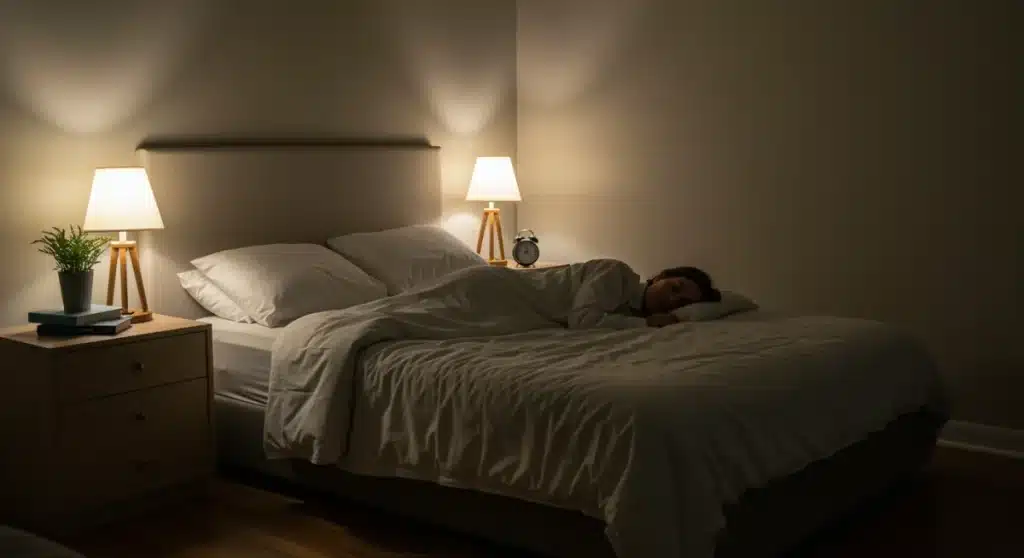
Achieving optimal sleep is crucial for overall well-being, directly impacting energy levels and cognitive function. This guide provides six science-backed strategies to significantly improve your rest in 2025, focusing on practical applications for individuals in the US.
As we look towards 2025, the pursuit of better health and increased energy remains a top priority for many across the United States. One of the most impactful yet often overlooked factors in achieving these goals is quality sleep. This article will delve into how to optimize sleep for 2025, offering six science-backed strategies designed to significantly improve your rest and boost your energy levels.
Understanding the Science of Sleep
Before diving into practical hacks, it’s essential to grasp the fundamental science behind sleep. Sleep isn’t merely a period of inactivity; it’s a dynamic state crucial for physical and mental restoration. Our bodies and brains perform vital functions during sleep that are impossible during wakefulness.
Sleep is regulated by two main processes: circadian rhythm and sleep-wake homeostasis. The circadian rhythm is our internal 24-hour clock, influencing sleep-wake cycles, hormone release, and body temperature. Sleep-wake homeostasis, on the other hand, tracks our need for sleep, building up pressure the longer we are awake. Understanding these mechanisms is the first step toward effective sleep optimization.
The Role of Circadian Rhythms
Our circadian rhythm is primarily influenced by light exposure. Exposure to natural light during the day signals to our brain that it’s daytime, promoting alertness. Conversely, darkness signals the release of melatonin, a hormone that induces sleepiness.
- Morning Light Exposure: Helps reset your internal clock.
- Evening Light Avoidance: Prevents suppression of melatonin production.
- Consistent Schedule: Maintains a stable circadian rhythm.
Sleep Stages and Their Importance
Sleep is composed of several stages, broadly categorized into Non-REM (NREM) and REM (Rapid Eye Movement) sleep. Each stage plays a unique role in our physical and mental health.
NREM sleep is further divided into three stages, progressing from light sleep to deep sleep. Deep sleep, or slow-wave sleep, is critical for physical repair, growth, and immune system function. REM sleep is associated with dreaming, memory consolidation, and emotional processing. A full night’s sleep cycles through these stages multiple times, with each cycle being vital for comprehensive restoration.
In essence, optimizing sleep involves aligning with our natural biological rhythms and ensuring we get adequate time in each crucial sleep stage. This foundational knowledge empowers us to make informed choices about our sleep habits, leading to better rest and sustained energy throughout the day.
Hack 1: Establish a Consistent Sleep Schedule
One of the most powerful yet often underestimated strategies for improving sleep is maintaining a consistent sleep schedule. Our bodies thrive on routine, and adhering to a fixed bedtime and wake-up time, even on weekends, can significantly reinforce your body’s natural sleep-wake cycle.
This consistency helps to regulate your circadian rhythm, making it easier to fall asleep at night and wake up feeling refreshed in the morning. Irregular sleep patterns, often referred to as ‘social jet lag,’ can disrupt this delicate balance, leading to fatigue, reduced cognitive function, and even long-term health issues.
The Power of Routine
Your body’s internal clock, or circadian rhythm, is highly sensitive to regularity. When you go to bed and wake up at roughly the same time each day, your body learns to anticipate these events. This anticipation allows for the optimal release of sleep-promoting hormones like melatonin and wakefulness-promoting hormones like cortisol at the right times.
- Weekend Consistency: Avoid drastic changes in sleep times on weekends.
- Gradual Adjustment: If you need to shift your schedule, do so gradually.
- Listen to Your Body: Pay attention to when you naturally feel tired.
Practical Implementation for 2025
To implement this hack effectively in 2025, start by identifying an ideal bedtime and wake-up time that allows for 7-9 hours of sleep. Once you’ve chosen your times, commit to them as much as possible. This might mean making sacrifices in your social life initially, but the long-term benefits to your energy and well-being are substantial.
For example, if you aim for 7:00 AM wake-up, and need 8 hours of sleep, your bedtime should be 11:00 PM. Stick to this even on days you don’t have to work. Your body will thank you by naturally feeling sleepy around bedtime and waking up more easily without an alarm.
Establishing a consistent sleep schedule is a cornerstone of good sleep hygiene. It’s a simple, cost-free intervention that yields profound benefits, stabilizing your internal clock and paving the way for deeper, more restorative sleep every night.
Hack 2: Optimize Your Sleep Environment
The quality of your sleep environment plays a crucial role in how well you rest. A well-optimized bedroom can signal to your body that it’s time to unwind and prepare for sleep, while a poorly designed space can actively hinder your ability to fall and stay asleep. Creating a sanctuary for sleep is a key strategy to optimize sleep for 2025.
Think of your bedroom as a cave: it should be dark, quiet, and cool. These three elements are paramount for promoting the ideal conditions for restorative sleep. Addressing these factors can make a significant difference in your sleep quality.
Darkness is Key
Light, especially blue light from screens, disrupts melatonin production, the hormone responsible for regulating your sleep-wake cycle. Even small amounts of light can interfere with sleep. Ensuring your bedroom is as dark as possible is critical.
- Blackout Curtains: Block out external light sources.
- Eye Mask: An effective alternative if curtains aren’t sufficient.
- Nightlights: Use dim, red-spectrum nightlights if necessary.
Silence is Golden
Unwanted noises can easily disrupt sleep, even if you don’t fully wake up. Your brain continues to process sounds during sleep, which can prevent you from reaching deeper, more restorative stages.
Consider solutions like earplugs or a white noise machine to mask disruptive sounds. White noise can create a consistent, soothing background sound that helps block out sudden or jarring noises, allowing your brain to relax and remain undisturbed throughout the night.
Cool Temperatures for Better Sleep
Most sleep experts recommend a bedroom temperature between 60 and 67 degrees Fahrenheit (15-19 degrees Celsius) for optimal sleep. Your body temperature naturally drops as you prepare for sleep, and a cool environment facilitates this process. If your room is too warm, your body struggles to cool down, making it harder to fall asleep and stay asleep.
Investing in breathable bedding, adjusting your thermostat, and even taking a warm shower or bath an hour or two before bed (which helps cool your body down as it evaporates) can all contribute to creating this ideal cool environment.
By consciously controlling the light, sound, and temperature in your bedroom, you create an optimal environment that supports your body’s natural sleep processes, leading to more profound and refreshing sleep.
Hack 3: Develop a Relaxing Pre-Sleep Routine
Transitioning from the busy demands of the day to a state of restful sleep requires a deliberate effort. A relaxing pre-sleep routine acts as a powerful signal to your body and mind that it’s time to wind down, preparing you for a night of restorative sleep. This hack is vital for anyone looking to optimize sleep for 2025 and combat the stresses of modern life.
Just as children benefit from bedtime rituals, adults can greatly improve their sleep quality by establishing a consistent set of calming activities before heading to bed. This routine helps to lower stress hormones, quiet a racing mind, and promote the release of sleep-inducing chemicals.
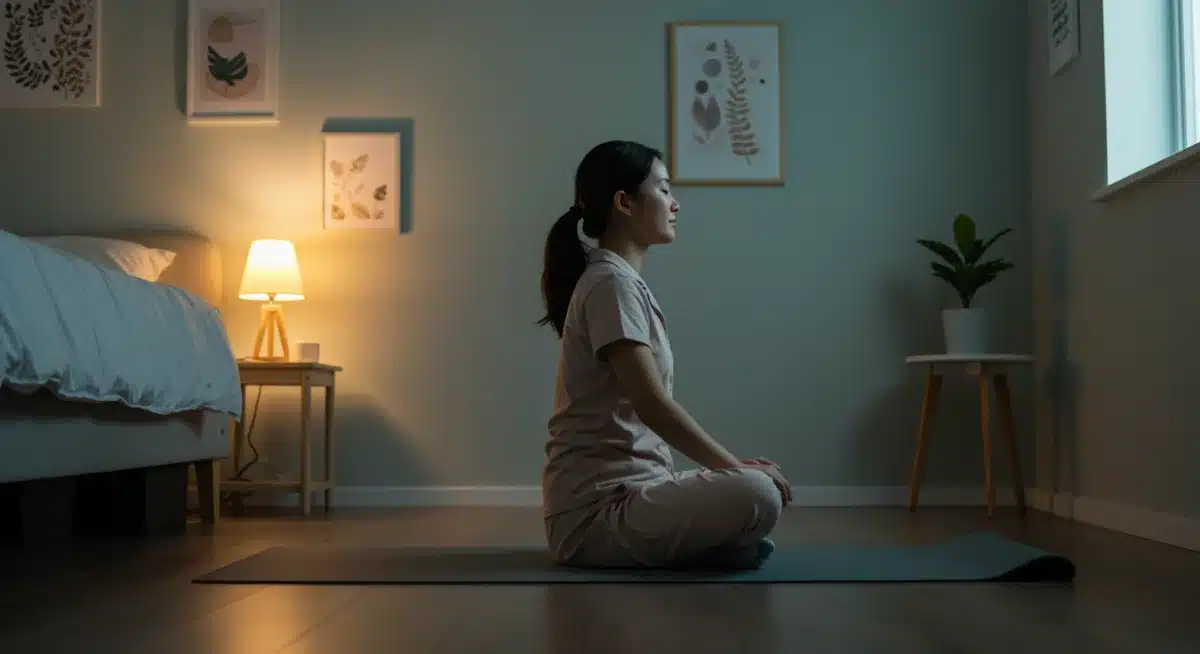
A well-structured pre-sleep routine doesn’t need to be long or complicated. The key is consistency and choosing activities that genuinely help you relax. Aim for a routine that lasts between 30 to 60 minutes before your target bedtime.
Mindful Relaxation Techniques
Incorporating mindfulness or meditation into your routine can be incredibly effective. These practices help to reduce anxiety and promote a state of calm, making it easier to drift off to sleep.
- Deep Breathing Exercises: Slow, controlled breaths activate the parasympathetic nervous system.
- Guided Meditation: Use apps or recordings to guide you through relaxation.
- Gentle Stretching: Releases muscular tension without being stimulating.
Avoid Stimulating Activities
Just as important as what you include in your routine is what you exclude. Certain activities can be highly stimulating and should be avoided in the hours leading up to bedtime.
This includes vigorous exercise, engaging in intense discussions, working on demanding tasks, and consuming heavy meals or sugary snacks. These activities can elevate your heart rate, increase alertness, or cause digestive discomfort, all of which are detrimental to sleep.
Instead, opt for activities like reading a physical book, listening to calming music, or journaling about positive experiences. The goal is to create a serene mental and physical state that is conducive to sleep.
Developing a relaxing pre-sleep routine is an investment in your sleep health. It provides a buffer between the day’s demands and the peacefulness of night, allowing your body and mind to gently transition into a state ready for deep, restorative sleep.
Hack 4: Manage Caffeine and Alcohol Intake
While often enjoyed for their stimulating or relaxing effects, caffeine and alcohol have significant impacts on sleep quality. Understanding how these substances interact with your body and strategically managing their intake is crucial for anyone aiming to optimize sleep for 2025. Many people underestimate their lingering effects, leading to disturbed sleep without realizing the cause.
Both caffeine and alcohol can disrupt your natural sleep architecture, even if you feel they help you fall asleep. Their effects are complex and can vary by individual, but general guidelines can help improve your sleep hygiene.
Caffeine’s Prolonged Impact
Caffeine is a stimulant that blocks adenosine, a neurotransmitter that promotes sleepiness. While it can be helpful for morning alertness, its half-life means it stays in your system for several hours. This extended presence can interfere with your ability to fall asleep and achieve deep sleep later in the day.
- Cut-off Time: Avoid caffeine at least 6-8 hours before bedtime.
- Moderation: Limit daily intake to avoid overstimulation.
- Individual Sensitivity: Be aware of how caffeine affects you personally.
Alcohol’s Deceptive Effects
Alcohol is often mistakenly believed to aid sleep because it can induce drowsiness. However, while it might help you fall asleep faster, it severely disrupts the quality of your sleep, particularly during the second half of the night. Alcohol metabolizes in your body, leading to fragmented sleep, less REM sleep, and increased awakenings.
This disruption can leave you feeling unrested and fatigued, despite having spent enough hours in bed. It also exacerbates issues like snoring and sleep apnea, further compromising respiratory function during sleep.
To mitigate alcohol’s negative effects, limit consumption, especially in the hours leading up to bedtime. If you choose to drink, do so in moderation and allow ample time for your body to process the alcohol before you attempt to sleep. The general recommendation is to stop drinking at least 3-4 hours before bed.
Managing your intake of caffeine and alcohol is a conscious choice that directly contributes to better sleep health. By being mindful of when and how much you consume, you can prevent these common substances from sabotaging your efforts to achieve truly restorative sleep.
Hack 5: Incorporate Regular Physical Activity
Regular physical activity is a cornerstone of a healthy lifestyle and a powerful tool for improving sleep quality. Engaging in moderate exercise during the day can significantly help you fall asleep faster and experience deeper, more restorative sleep at night. This is a fundamental hack for anyone striving to optimize sleep for 2025, enhancing both physical and mental well-being.
Exercise helps to reduce stress and anxiety, which are common culprits behind sleeplessness. It also increases body temperature, and the subsequent drop in temperature a few hours later can promote sleep. However, timing and intensity are key to leveraging exercise for better sleep.
The Benefits of Daytime Exercise
Consistent physical activity throughout the day helps regulate your circadian rhythm and boosts the production of natural sleep-promoting hormones. It also expends energy, making your body naturally more tired and ready for rest when bedtime arrives.
- Mood Improvement: Reduces symptoms of depression and anxiety.
- Energy Expenditure: Helps your body feel genuinely tired.
- Circadian Regulation: Supports a healthy sleep-wake cycle.
Optimal Timing and Intensity
While exercise is beneficial, timing is crucial. Exercising too close to bedtime can have the opposite effect, as it raises your core body temperature and stimulates your nervous system, making it harder to wind down. Aim to complete your workouts at least 3-4 hours before you plan to go to sleep.
Moderate-intensity aerobic exercise, such as brisk walking, jogging, swimming, or cycling, is generally most effective. Even 30 minutes of moderate activity most days of the week can yield significant sleep benefits. Strength training is also beneficial, but again, avoid intense sessions right before bed.
If you prefer evening workouts, consider lighter activities like yoga or gentle stretching, which can be part of your pre-sleep routine without being overly stimulating. The key is to find a routine that fits your lifestyle and consistently provides the physical exertion your body needs to prepare for sleep.
Incorporating regular physical activity into your daily life is a highly effective way to improve sleep quality. By being mindful of the type and timing of your workouts, you can harness the power of exercise to achieve deeper, more refreshing sleep and boost your overall energy levels.
Hack 6: Limit Screen Time Before Bed
In our increasingly digital world, limiting screen time before bed has become one of the most challenging yet critical hacks for improving sleep. The blue light emitted from smartphones, tablets, computers, and TVs can significantly disrupt your body’s natural melatonin production, making it harder to fall asleep and impacting the quality of your rest. This is a crucial step to truly optimize sleep for 2025.
Our brains interpret blue light as a signal for daytime, even when it’s dark outside. This miscommunication confuses our internal clock, delaying the onset of sleep and potentially reducing the amount of deep, restorative sleep we get.
The Impact of Blue Light
Blue light has the shortest wavelength and highest energy, making it particularly effective at suppressing melatonin. Melatonin is the hormone that signals to your body that it’s time to prepare for sleep. When melatonin production is inhibited, your body remains in a state of wakefulness, even if you feel tired.
- Melatonin Suppression: Blue light directly interferes with its release.
- Circadian Disruption: Shifts your natural sleep-wake cycle later.
- Increased Alertness: Mental stimulation from content can keep you awake.
Practical Strategies for Digital Detox
To effectively limit screen time before bed, establish a digital curfew. Aim to put away all electronic devices at least 60-90 minutes before your desired bedtime. This buffer period allows your brain to unwind and begin producing melatonin naturally.
During this screen-free hour, engage in relaxing activities such as reading a physical book, listening to calming music, journaling, or spending time with loved ones without digital distractions. If you absolutely must use a screen, consider using blue light filtering glasses or activating ‘night mode’ settings on your devices, which shift the screen’s color to a warmer, redder hue.
Furthermore, avoid bringing your phone or tablet into your bedroom. The temptation to check notifications or browse can be too strong, leading to late-night scrolling and disrupted sleep. Designate your bedroom as a screen-free zone to reinforce its role as a sanctuary for sleep.
Limiting screen time before bed is a powerful habit that directly supports your body’s natural sleep processes. By creating a digital detox period, you allow your brain to properly prepare for sleep, leading to more consistent, deeper, and more rejuvenating rest.
| Key Sleep Hack | Brief Description |
|---|---|
| Consistent Schedule | Maintain fixed bedtimes and wake-up times daily, even on weekends, to regulate circadian rhythm. |
| Optimize Environment | Ensure your bedroom is dark, quiet, and cool (60-67°F) for ideal sleep conditions. |
| Pre-Sleep Routine | Develop a relaxing routine 30-60 minutes before bed, avoiding stimulating activities. |
| Limit Screen Time | Avoid blue light from screens 60-90 minutes before sleep to prevent melatonin disruption. |
Frequently Asked Questions About Sleep Optimization
Most adults, including those in the US, require 7 to 9 hours of sleep per night for optimal health and functioning. Individual needs can vary slightly, but consistently falling outside this range may indicate insufficient or excessive sleep, impacting overall well-being and energy levels.
Yes, strategic napping can significantly boost energy, improve alertness, and enhance performance. Short power naps (20-30 minutes) are ideal for avoiding grogginess. Long naps can interfere with nighttime sleep, so timing and duration are crucial for maximizing benefits.
If persistent sleep issues continue despite implementing these strategies, it’s advisable to consult a healthcare professional. You might have an underlying sleep disorder, such as insomnia or sleep apnea, which requires medical diagnosis and specialized treatment for effective management.
Intense exercise too close to bedtime can be detrimental as it raises your core body temperature and stimulates your nervous system, making it harder to fall asleep. It’s generally recommended to finish vigorous workouts at least 3-4 hours before your planned sleep time.
Diet plays a significant role in sleep quality. Heavy, fatty, or spicy meals close to bedtime can cause indigestion and discomfort. Conversely, certain foods rich in tryptophan (like turkey or nuts) or magnesium can promote better sleep. A balanced diet supports overall sleep health.
Conclusion
Optimizing your sleep for 2025 is not just about getting more hours; it’s about enhancing the quality of those hours to unlock greater rest and energy levels. By implementing these six science-backed hacks—establishing a consistent schedule, optimizing your environment, developing a relaxing pre-sleep routine, managing caffeine and alcohol, incorporating regular physical activity, and limiting screen time—you can significantly transform your sleep health. These practical solutions offer a clear pathway to a more rested, energized, and vibrant life in the United States, proving that a commitment to better sleep is a powerful investment in your overall well-being.