US Mindful Movement: Trends & Practices for Daily Life 2026
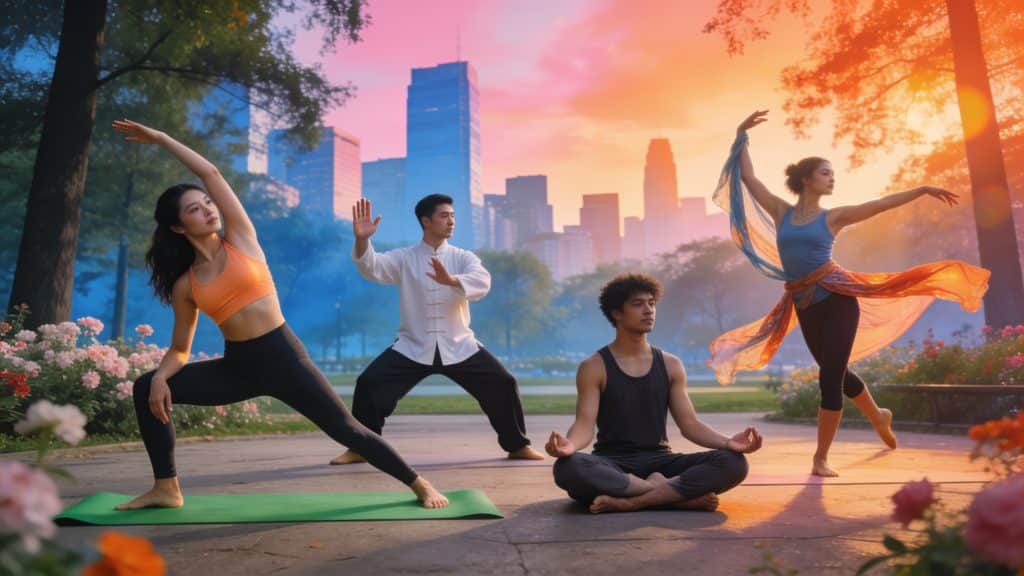
The US Mindful Movement: Latest Trends and 4 Practices to Integrate into Your Daily Life by 2026
In an increasingly fast-paced and demanding world, the quest for inner peace and mental clarity has never been more prevalent. The US Mindful Movement is not just a passing fad; it’s a profound and evolving shift in how individuals approach their well-being, stress management, and overall quality of life. As we look towards 2026, mindfulness is becoming less of an esoteric concept and more of an accessible, integral part of mainstream American culture. This comprehensive guide will delve into the latest trends shaping the US mindful movement and, crucially, provide four practical, actionable practices you can integrate into your daily life to cultivate a more present and peaceful existence.
The journey towards mindfulness is unique for everyone, yet its core principles remain universal: paying attention to the present moment, intentionally and non-judgmentally. From corporate boardrooms embracing mindful leadership to schools incorporating mindfulness into their curricula, the ripple effect of this movement is undeniable. Understanding its trajectory and adopting its techniques can equip you with invaluable tools to navigate the complexities of modern life with greater resilience and joy.
Understanding the Evolution of the US Mindful Movement
The US Mindful Movement has grown exponentially over the past decade, transitioning from niche spiritual practices to a widely accepted approach for mental health and personal development. Initially, it was often associated primarily with meditation and yoga, but its scope has broadened considerably. Today, mindfulness encompasses a vast array of practices and applications, reflecting a deeper understanding of its potential benefits across various aspects of life.
From Niche to Mainstream: A Cultural Shift
What began as a quiet revolution in wellness centers and meditation retreats has now permeated American society. Celebrities openly discuss their mindfulness practices, major corporations offer mindfulness training to employees, and scientific research consistently validates its efficacy. This mainstream acceptance is a significant trend, indicating a societal recognition of the need for greater presence and mental resilience in the face of constant digital distraction and increasing societal pressures. The COVID-19 pandemic, in particular, accelerated this trend, as individuals sought effective strategies to cope with uncertainty, anxiety, and isolation. Mindfulness emerged as a powerful antidote, offering a way to anchor oneself in the present when the future felt unpredictable.
Technological Integration: Apps and Digital Platforms
One of the most defining trends in the US Mindful Movement is the seamless integration of technology. Mindfulness apps like Calm and Headspace have millions of users, democratizing access to guided meditations, sleep stories, and mindful exercises. Wearable technology now tracks stress levels and offers prompts for mindful breathing. Virtual reality (VR) and augmented reality (AR) are also beginning to explore immersive mindful experiences, offering new dimensions to practice. This technological embrace makes mindfulness more accessible, personalized, and convenient, fitting into busy modern lifestyles. However, it also presents a paradox: using technology to disconnect from technology, highlighting the delicate balance between digital tools and genuine presence.
Mindfulness in Education and Healthcare
The integration of mindfulness into educational systems, from elementary schools to universities, is another compelling trend. Programs designed to teach children and adolescents mindful breathing, emotional regulation, and compassionate awareness are gaining traction, aiming to foster resilience and improve academic performance. In healthcare, mindfulness-based stress reduction (MBSR) and mindfulness-based cognitive therapy (MBCT) are well-established interventions for chronic pain, anxiety, depression, and other conditions. The medical community increasingly recognizes mindfulness as a valuable complementary therapy, indicating a shift towards a more holistic approach to health. By 2026, we can expect these integrations to become even more standardized, with mindfulness potentially being a core component of preventative health strategies.
Corporate Mindfulness and Leadership
Businesses are increasingly recognizing the tangible benefits of a mindful workforce. Reduced stress, improved focus, enhanced creativity, and better decision-making are just some of the advantages. Corporate mindfulness programs, once seen as a perk, are becoming a strategic imperative for employee well-being and productivity. Mindful leadership, which emphasizes self-awareness, empathy, and compassionate communication, is also emerging as a key competency for effective management. This trend underscores a broader understanding that individual well-being is intrinsically linked to organizational success.
Looking Ahead: The Future of the US Mindful Movement by 2026
By 2026, the US Mindful Movement is projected to be even more integrated into various societal structures. We anticipate a greater emphasis on personalized mindfulness journeys, perhaps guided by AI coaches that adapt practices to individual needs and progress. The intersection of mindfulness with environmental consciousness – often termed ‘eco-mindfulness’ – is also likely to grow, encouraging a deeper connection with nature and a more sustainable way of living. Furthermore, as research continues to uncover the neurobiological underpinnings of mindfulness, its scientific validation will only strengthen, leading to even broader acceptance and application.
4 Practical Mindfulness Practices to Integrate into Your Daily Life by 2026
While the trends are fascinating, the true power of the US Mindful Movement lies in its practical application. Here are four accessible practices you can begin integrating into your daily routine to cultivate greater presence, peace, and resilience.
1. The Mindful Minute: Anchoring in the Present
One of the simplest yet most effective ways to introduce mindfulness into your day is through the ‘Mindful Minute.’ This practice involves intentionally taking one minute (or even just 30 seconds) to pause and bring your full attention to a single anchor point. This can be your breath, the sounds around you, or a specific sensation in your body.
How to Practice:
- Choose Your Moment: Identify a recurring moment in your day – perhaps before starting work, waiting for coffee to brew, or sitting in traffic.
- Pause and Breathe: Close your eyes if comfortable, or soften your gaze. Take a few deep breaths, noticing the sensation of the air entering and leaving your body.
- Observe: Without judgment, simply observe what is happening in that moment. Notice the sounds, the feeling of your clothes on your skin, the temperature of the air. If your mind wanders (which it will!), gently guide it back to your chosen anchor.
- Release and Continue: After a minute, gently open your eyes or refocus your gaze, carrying a renewed sense of presence into your next activity.
Why it works: The Mindful Minute acts as a micro-reset button, breaking the cycle of automatic pilot and bringing you back to the present. Regular practice trains your attention muscle, making it easier to be mindful even during challenging situations.
2. Mindful Eating: Savoring Every Bite
Eating is a daily necessity, making it an excellent opportunity for mindfulness practice. Mindful eating involves bringing full awareness to the experience of eating, from the preparation of food to its consumption. This practice not only enhances enjoyment but can also improve digestion and lead to healthier eating habits.
How to Practice:
- Engage Your Senses: Before taking a bite, observe your food. Notice its colors, textures, and aroma.
- Slow Down: Take a small portion. Chew slowly and deliberately, paying attention to the texture, temperature, and flavors. How does it feel in your mouth?
- Notice Your Body’s Cues: Pay attention to signals of hunger and fullness. Are you truly hungry, or are you eating out of habit, boredom, or stress? Stop when you feel satisfied, not necessarily full.
- Minimize Distractions: Turn off the TV, put away your phone, and try to eat in a quiet environment. Make eating a sacred, focused activity.
Why it works: Mindful eating transforms a mundane activity into a rich sensory experience. It helps you develop a healthier relationship with food, reduces overeating, and fosters a deeper appreciation for nourishment.
3. The Body Scan Meditation: Connecting with Your Physical Self
The body scan is a foundational mindfulness practice that involves systematically bringing attention to different parts of your body, noticing any sensations without judgment. It’s a powerful tool for developing body awareness, releasing tension, and grounding yourself in the present moment.
How to Practice:
- Find a Comfortable Position: Lie down or sit comfortably. You can do this for 5 minutes or up to 30 minutes.
- Start with Your Breath: Take a few deep breaths, allowing your body to settle.
- Scan Your Body: Begin by bringing your attention to your toes. Notice any sensations there – warmth, coolness, tingling, pressure. Breathe into that area.
- Move Systematically: Slowly move your attention up your body – soles of your feet, ankles, calves, knees, thighs, hips, abdomen, lower back, chest, upper back, shoulders, arms, hands, fingers, neck, face, and finally the top of your head.
- Observe Without Judgment: As you scan, simply notice what is present. If you encounter pain or tension, acknowledge it without trying to change it. Just observe.
- Return to the Whole Body: After scanning all parts, bring your awareness to your entire body as a whole, feeling its presence.
Why it works: The body scan helps you become more attuned to your physical sensations, often revealing areas of tension you weren’t consciously aware of. It’s excellent for stress reduction, improving sleep, and cultivating a deeper connection with your physical self.
4. Mindful Walking: Movement as Meditation
Mindful walking transforms a common activity into an opportunity for meditation. Instead of rushing from one place to another or getting lost in thought, mindful walking invites you to pay full attention to the experience of walking itself.
How to Practice:
- Choose Your Environment: This can be done anywhere – indoors, outdoors, on your commute, or a dedicated walk.
- Focus on Sensations: Begin by noticing the sensation of your feet making contact with the ground. Feel the lift, the swing, and the placement of each foot.
- Observe Your Surroundings: Gently expand your awareness to include the sights, sounds, and smells around you. Notice the colors of the leaves, the sound of birds, the feeling of the breeze on your skin.
- Pace Yourself: You don’t need to walk slowly, but walk at a pace that allows you to remain present with your sensations.
- Return to the Breath: If your mind starts to wander, gently bring your attention back to the rhythm of your steps or your breath.
Why it works: Mindful walking is a fantastic way to integrate mindfulness into daily activity. It helps to clear the mind, reduce stress, and connect you with your environment. It’s particularly beneficial for those who find seated meditation challenging.
Overcoming Challenges in Your Mindfulness Journey
Embarking on a mindfulness journey, while rewarding, is not without its challenges. It’s common to experience a wandering mind, frustration, or the feeling that you’re ‘not doing it right.’ These are all normal parts of the process. The key is to approach these challenges with the same non-judgmental awareness that mindfulness teaches. When your mind wanders, simply notice it, acknowledge it, and gently guide your attention back to your chosen anchor. Consistency, even for short periods, is far more important than intensity. Start small, be patient with yourself, and celebrate every moment of presence you achieve.
Another common hurdle is the expectation of immediate results. Mindfulness is not a quick fix; it’s a practice that cultivates lasting change over time. Just like building physical strength, mental strength and clarity through mindfulness require regular, sustained effort. Don’t be discouraged if you don’t feel profound shifts overnight. The subtle changes – a greater sense of calm, increased patience, improved focus – often accumulate quietly, revealing their impact over weeks and months of consistent practice. By 2026, with regular practice, these subtle shifts can transform into a deeply ingrained way of being.
Finding a community or a teacher can also significantly aid your journey. While apps and online resources are excellent starting points, connecting with others who share similar interests can provide motivation, support, and deeper insights. Many local centers offer mindfulness workshops, meditation groups, and retreats. Exploring these options can enrich your practice and provide a sense of belonging within the broader US Mindful Movement.
The Broader Impact of the US Mindful Movement
The growth of the US Mindful Movement signifies more than just individual self-improvement; it reflects a collective yearning for a more conscious, compassionate, and connected society. As more individuals embrace mindfulness, its positive effects ripple outwards, influencing families, communities, and workplaces. A more mindful populace is likely to be more empathetic, less reactive, and more capable of engaging in constructive dialogue and problem-solving. This broader societal impact is perhaps the most exciting aspect of the movement’s continued evolution.
By 2026, we can envision a society where mindfulness is not just a personal practice but a cultural norm, integrated into our systems and institutions. This doesn’t mean everyone will be a meditation master, but rather that the principles of presence, awareness, and compassion will be more widely understood and valued. From policy-making that considers long-term well-being to educational models that foster emotional intelligence, the mindful movement has the potential to shape a more humane and sustainable future.
Conclusion: Embracing Mindfulness for a Brighter 2026
The US Mindful Movement is a powerful force for positive change, continually adapting and expanding its reach. By understanding its trends and, more importantly, by integrating practical mindfulness techniques into your daily life, you can actively participate in this transformative journey. The four practices outlined – the Mindful Minute, Mindful Eating, the Body Scan Meditation, and Mindful Walking – offer accessible entry points for anyone looking to cultivate greater presence, reduce stress, and enhance their overall well-being. As we move towards 2026, let us embrace these tools not as obligations, but as invitations to live more fully, consciously, and compassionately in every moment.
Your journey into mindfulness is a personal one, filled with discovery and growth. Remember that consistency, patience, and self-compassion are your greatest allies. Start today, even with the smallest step, and witness the profound difference that bringing mindful awareness to your life can make. The future of well-being in the US is increasingly mindful, and you have the power to be a part of it.