Sustainable Eating 2026: Health, Planet, and Plate in the U.S.

Sustainable Eating in 2026: Reducing Your Carbon Footprint by 20% While Improving Your Health – A U.S. Perspective.
As we navigate the complexities of the 21st century, the choices we make on our plates have never held more weight. By 2026, the concept of sustainable eating 2026 is not just a niche trend but a critical lifestyle shift for a healthier planet and a healthier you, particularly within the unique context of the United States. This comprehensive guide will explore how Americans can realistically reduce their dietary carbon footprint by an ambitious 20% while simultaneously unlocking significant health benefits. It’s an achievable goal that aligns personal well-being with global responsibility, offering practical strategies, insights, and a vision for a more sustainable food future.
The Urgency of Sustainable Eating in 2026: Why Now?
The year 2026 marks a pivotal moment in our collective efforts to combat climate change and public health challenges. The scientific consensus is clearer than ever: our food systems contribute significantly to greenhouse gas emissions, deforestation, water pollution, and biodiversity loss. Simultaneously, diet-related diseases continue to plague the U.S. population, driving up healthcare costs and diminishing quality of life. The intersection of these crises demands a holistic solution, and sustainable eating 2026 emerges as that powerful answer.
In the U.S., our food choices are deeply intertwined with cultural norms, economic factors, and agricultural policies. From the vast cattle ranches of the Midwest to the intensive monoculture farms of California, the journey of food from farm to table often leaves a substantial environmental footprint. A typical American diet, rich in processed foods, red meat, and imported goods, contributes disproportionately to global emissions. However, this also means that even small shifts in individual and collective behavior can yield significant positive impacts. The 20% reduction target is not arbitrary; it’s an ambitious yet attainable goal that, if widely adopted, could dramatically alter our environmental trajectory and public health landscape.
Defining Sustainable Eating 2026 for the American Context
What exactly does sustainable eating 2026 entail? It’s more than just eating organic or plant-based; it’s a multifaceted approach that considers the entire lifecycle of our food. For the U.S., this means:
- Minimizing Carbon Footprint: Reducing greenhouse gas emissions associated with food production, transportation, and waste.
- Conserving Resources: Efficiently using land, water, and energy, and protecting biodiversity.
- Supporting Ethical Practices: Ensuring fair labor conditions and animal welfare.
- Promoting Health and Nutrition: Prioritizing whole, unprocessed foods that contribute to human well-being.
- Reducing Food Waste: Minimizing edible food thrown away at all stages, from farm to consumer.
- Fostering Local and Regenerative Agriculture: Supporting food systems that build soil health and community resilience.
By 2026, these principles are expected to be more integrated into mainstream American food culture, driven by consumer awareness, technological advancements, and policy incentives. The focus is on making sustainable choices accessible, affordable, and appealing to a broad demographic.
The Environmental Impact of the American Diet: Where We Stand
Before we can reduce our carbon footprint, we must understand its origins. The U.S. food system is a massive enterprise, responsible for approximately 10-12% of the nation’s total greenhouse gas emissions. This figure encompasses everything from agricultural production (livestock, fertilizers, land use change) to processing, packaging, transportation, retail, and waste disposal. Let’s break down the key contributors:
Meat and Dairy Production
Livestock, particularly cattle, are major emitters of methane, a potent greenhouse gas. The land required for grazing and feed production also contributes to deforestation and habitat loss. The energy-intensive processes involved in dairy farming further exacerbate this impact. While cultural preferences for meat are strong in the U.S., a shift towards more plant-rich diets is one of the most effective ways to reduce this footprint.
Food Transportation and Global Supply Chains
The average American meal travels thousands of miles from farm to plate. This extensive global supply chain relies heavily on fossil fuels for shipping, trucking, and air freight, adding significantly to emissions. While certain foods are not grown domestically, prioritizing seasonal and locally sourced options can drastically cut down on these transportation-related emissions.
Food Waste: A Hidden Polluter
The U.S. discards an astonishing 30-40% of its food supply. This wasted food often ends up in landfills, where it decomposes anaerobically, producing methane. Beyond the emissions from decomposition, all the resources (water, land, energy, labor) used to produce that food are also wasted, representing an enormous environmental and economic cost. Addressing food waste is a cornerstone of sustainable eating 2026.
Agricultural Practices and Resource Depletion
Industrial agriculture, while efficient in terms of yield, often relies on synthetic fertilizers and pesticides that contribute to nitrous oxide emissions (another potent greenhouse gas) and water pollution. Monoculture farming depletes soil health, requiring more inputs over time. Shifting towards regenerative agriculture practices that build soil organic matter and biodiversity is crucial for long-term sustainability.
Achieving a 20% Carbon Footprint Reduction: Strategies for Sustainable Eating 2026
The 20% reduction target for dietary carbon footprint by 2026 is ambitious but entirely feasible with concerted effort. Here are the core strategies, tailored for the U.S. consumer:
1. Embrace Plant-Forward Diets
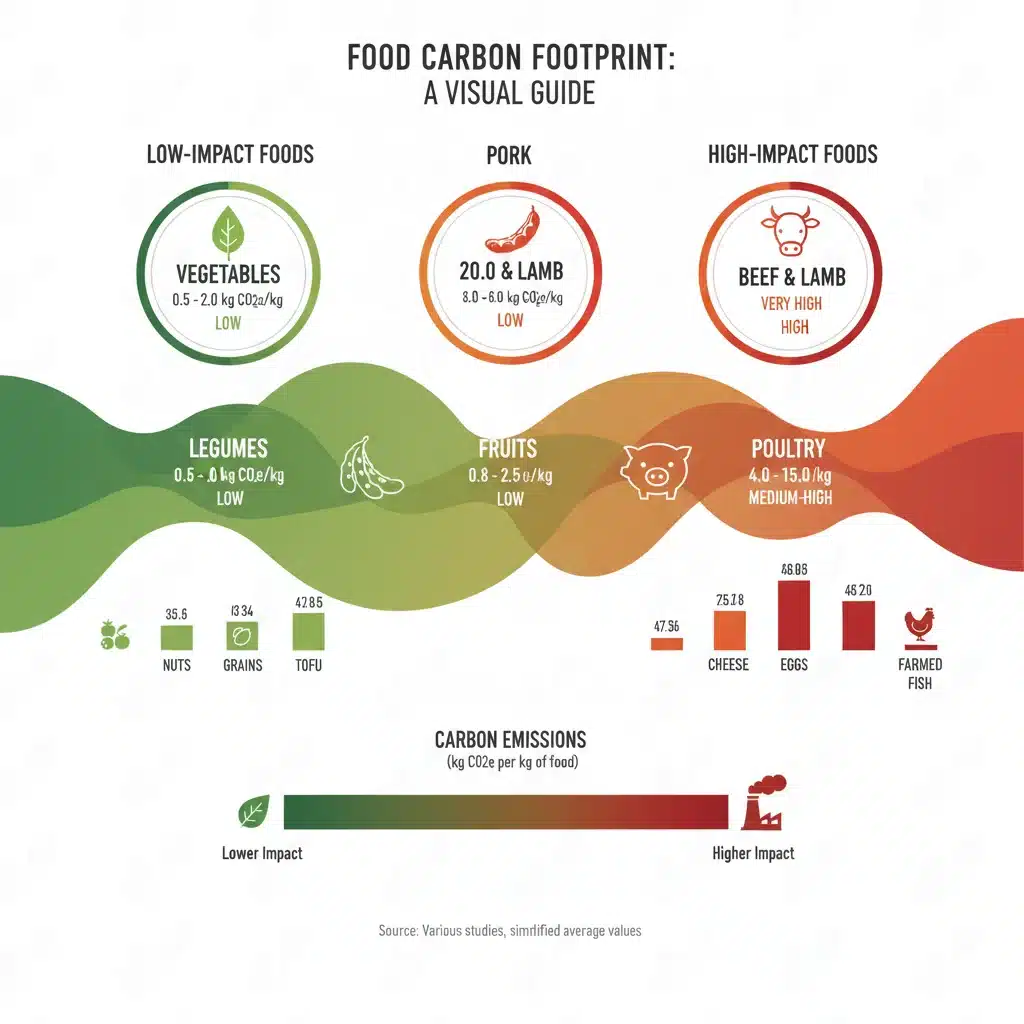
This is arguably the single most impactful change. Shifting away from a meat-centric diet to one that emphasizes plants – vegetables, fruits, legumes, grains, nuts, and seeds – dramatically lowers your carbon footprint. You don’t have to go fully vegan overnight; even reducing red meat consumption and incorporating more plant-based meals can make a huge difference. Consider Meatless Mondays or experimenting with plant-based alternatives that are becoming increasingly sophisticated and widely available in the U.S. market.
2. Prioritize Local and Seasonal Foods
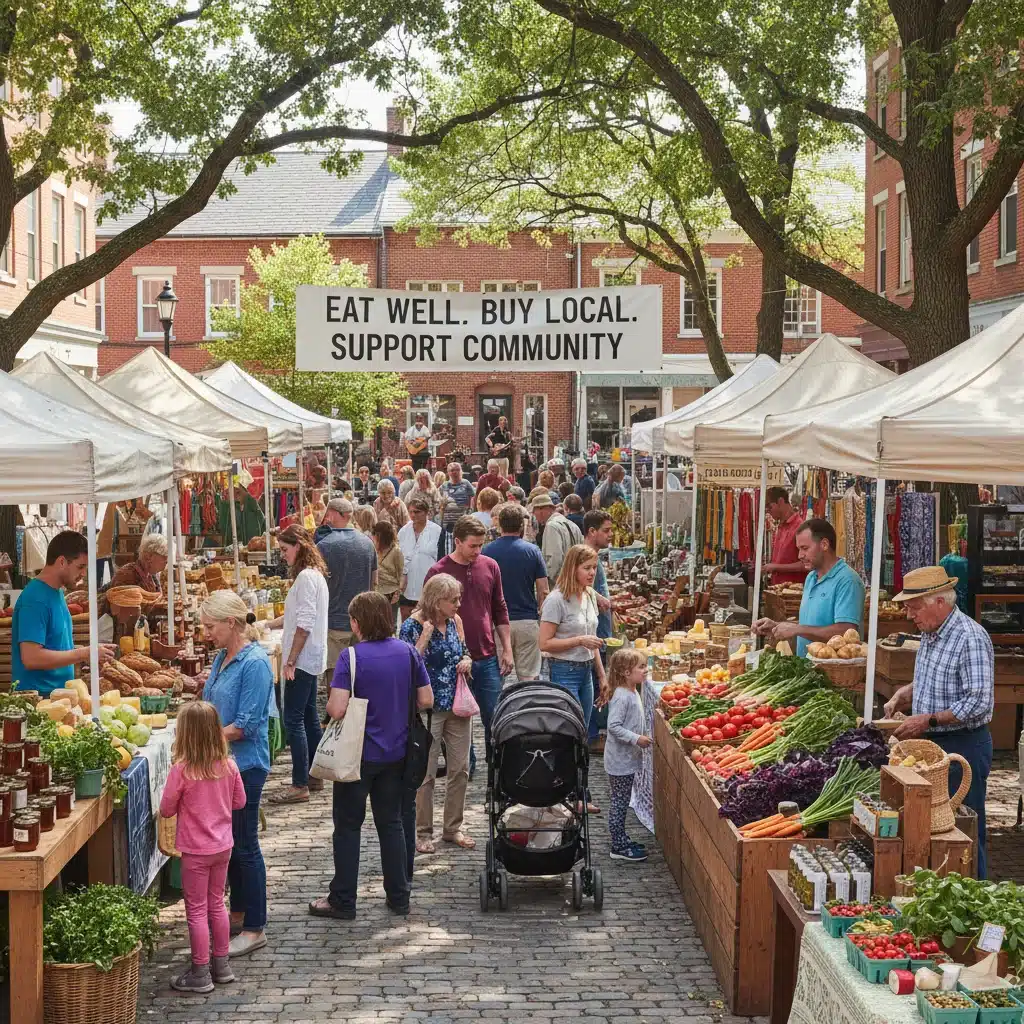
Buying from local farmers’ markets or subscribing to Community Supported Agriculture (CSA) programs reduces the miles your food travels, cutting down on transportation emissions. Seasonal eating also means your food is fresher, often more nutritious, and doesn’t require energy-intensive greenhouses or long-distance shipping. Many U.S. states have robust local food movements, making this strategy increasingly accessible. Look for ‘Grown in the USA’ labels and support regional producers.
3. Minimize Food Waste at Home
This is where individual actions have a direct and powerful impact. Strategies include:
- Meal Planning: Only buy what you need.
- Proper Storage: Learn how to store different foods to extend their shelf life.
- Understanding Labels: ‘Best by’ or ‘sell by’ dates often indicate quality, not safety.
- Creative Cooking: Use scraps for stocks, make smoothies from overripe fruit, or repurpose leftovers.
- Composting: If unavoidable food scraps exist, compost them to return nutrients to the soil and prevent methane emissions. Many U.S. cities now offer composting services.
4. Choose Sustainably Sourced Seafood
Overfishing and unsustainable aquaculture practices devastate marine ecosystems. When consuming seafood, refer to guides like the Monterey Bay Aquarium Seafood Watch program to choose options that are caught or farmed in ways that minimize environmental impact. This ensures that your seafood choices support healthy oceans.
5. Reduce Processed and Packaged Foods
Heavily processed foods often have a larger environmental footprint due to the energy and resources used in their manufacturing, packaging, and transportation. Opting for whole, unprocessed foods not only reduces this impact but also significantly boosts your nutritional intake. Single-use plastics and excessive packaging contribute to landfill waste, so choosing items with minimal or recyclable packaging is also key to sustainable eating 2026.
6. Support Regenerative Agriculture and Ethical Farming
Seek out products from farms that practice regenerative agriculture, which focuses on building soil health, sequestering carbon, and enhancing biodiversity. While these products might sometimes be pricier, their long-term environmental benefits are immense. Look for certifications that indicate ethical animal welfare and sustainable land management practices.
The Health Benefits: A Win-Win for You and the Planet
The beauty of sustainable eating 2026 is that its environmental benefits are inextricably linked to profound health improvements. By shifting towards a more sustainable diet, Americans can expect:
Improved Cardiovascular Health
A diet rich in plants, whole grains, and healthy fats (common in sustainable eating patterns) is associated with lower risks of heart disease, stroke, and high blood pressure. Reducing red and processed meat intake, often high in saturated fats and cholesterol, directly contributes to a healthier heart.
Better Weight Management
Whole, unprocessed foods are typically higher in fiber and nutrients, promoting satiety and helping with weight management. Plant-based diets tend to be lower in calories and higher in bulk, making it easier to maintain a healthy weight without feeling deprived.
Reduced Risk of Chronic Diseases
Sustainable diets, with their emphasis on fruits, vegetables, and legumes, are packed with antioxidants, vitamins, and minerals that protect against chronic diseases like Type 2 diabetes and certain cancers. The reduction in processed foods also means less exposure to added sugars, unhealthy fats, and excessive sodium.
Enhanced Gut Health
The fiber content in plant-rich diets feeds beneficial gut bacteria, leading to a healthier microbiome. A diverse and robust gut microbiome is linked to improved digestion, enhanced immunity, and even better mental health.
Increased Energy and Vitality
When your body receives nutrient-dense, whole foods, it functions optimally. Many individuals report increased energy levels, improved mood, and better cognitive function after adopting more sustainable and plant-forward eating habits.
Overcoming Challenges and Embracing Opportunities in the U.S.
While the benefits are clear, transitioning to sustainable eating 2026 in the U.S. presents certain challenges and unique opportunities.
Affordability and Access
One common perception is that sustainable eating is expensive. While some specialty organic products can be pricey, a focus on legumes, seasonal vegetables, and whole grains can be incredibly cost-effective. The challenge lies in ensuring equitable access to fresh, affordable produce in all communities, particularly in food deserts. Initiatives supporting urban farming, community gardens, and farmers’ market coupon programs are vital.
Cultural Norms and Habits
American food culture is deeply rooted in traditions that often involve meat-heavy meals and convenience foods. Shifting these deeply ingrained habits requires education, creative recipe development, and highlighting the deliciousness and versatility of sustainable ingredients. Food education in schools and public awareness campaigns play a crucial role.
Policy and Industry Support
For widespread adoption of sustainable eating 2026, governmental policies need to incentivize sustainable agriculture, reduce food waste, and support healthy food access. The food industry also has a significant role to play in reformulating products, improving supply chains, and offering more sustainable options to consumers. By 2026, we anticipate greater collaboration between policymakers, industry leaders, and consumers.
Practical Tips for Your Sustainable Eating Journey in 2026
Ready to start making a difference? Here are actionable steps to integrate sustainable eating 2026 into your daily life:
- Start Small: Don’t overhaul your entire diet at once. Begin with one plant-based meal a week, or commit to reducing food waste by 10%.
- Educate Yourself: Learn about the carbon footprint of different foods. Resources like the Environmental Working Group (EWG) or university studies can provide valuable data.
- Cook More at Home: This gives you control over ingredients, portions, and waste. Experiment with new plant-based recipes.
- Shop Smart: Make a list, avoid impulse buys, and choose whole ingredients. Explore local farmers’ markets.
- Embrace Imperfect Produce: Many grocery stores and services now offer ‘ugly’ fruits and vegetables at a discount – perfectly good food that would otherwise go to waste.
- Grow Your Own: Even a small herb garden or a few potted vegetables can connect you more deeply to your food and reduce your footprint.
- Support Sustainable Businesses: Choose restaurants and brands that prioritize sustainable sourcing, ethical practices, and minimal waste.
- Advocate for Change: Use your voice to support policies that promote a more sustainable food system in your community and beyond.
The Future of Food: A Vision for Sustainable Eating 2026 and Beyond
Looking towards 2026 and beyond, the landscape of food in the U.S. is poised for transformative change. We can anticipate:
Technological Innovations
Advances in cellular agriculture (lab-grown meat), precision fermentation (creating dairy or egg proteins without animals), and vertical farming will offer new, resource-efficient food options. These technologies have the potential to significantly reduce the environmental impact of traditional animal agriculture and increase local food production in urban areas.
Greater Consumer Awareness and Demand
As climate change impacts become more evident and health concerns persist, consumer demand for sustainable and healthy food options will continue to grow. This will drive innovation and force businesses to adapt.
Integrated Food Systems
A more holistic approach to food will emerge, connecting urban and rural areas, farmers and consumers, and addressing food security alongside environmental sustainability. Circular economy principles will be applied to food, minimizing waste and maximizing resource use.
Policy and Investment
Increased government investment in sustainable agriculture research, infrastructure for local food systems, and incentives for eco-friendly farming practices will accelerate the transition. Policies aimed at reducing food waste and promoting healthier dietary guidelines will become more prevalent.
Conclusion: Your Role in Sustainable Eating 2026
The journey towards sustainable eating 2026 is a collective one, but it begins with individual choices. By consciously opting for plant-forward meals, supporting local and seasonal producers, and diligently minimizing food waste, Americans can collectively achieve the ambitious goal of a 20% reduction in their dietary carbon footprint. This isn’t just about protecting the planet; it’s about investing in your own health, fostering stronger communities, and building a more resilient and equitable food system for future generations.
Embrace the power of your plate. Every meal is an opportunity to make a difference, to choose health for yourself and the planet. Let 2026 be the year Americans truly redefine their relationship with food, proving that delicious, nutritious, and sustainable eating is not only possible but essential.