Mindful Consumption: 5 US Trends Shaping Conscious Spending Habits in 2026
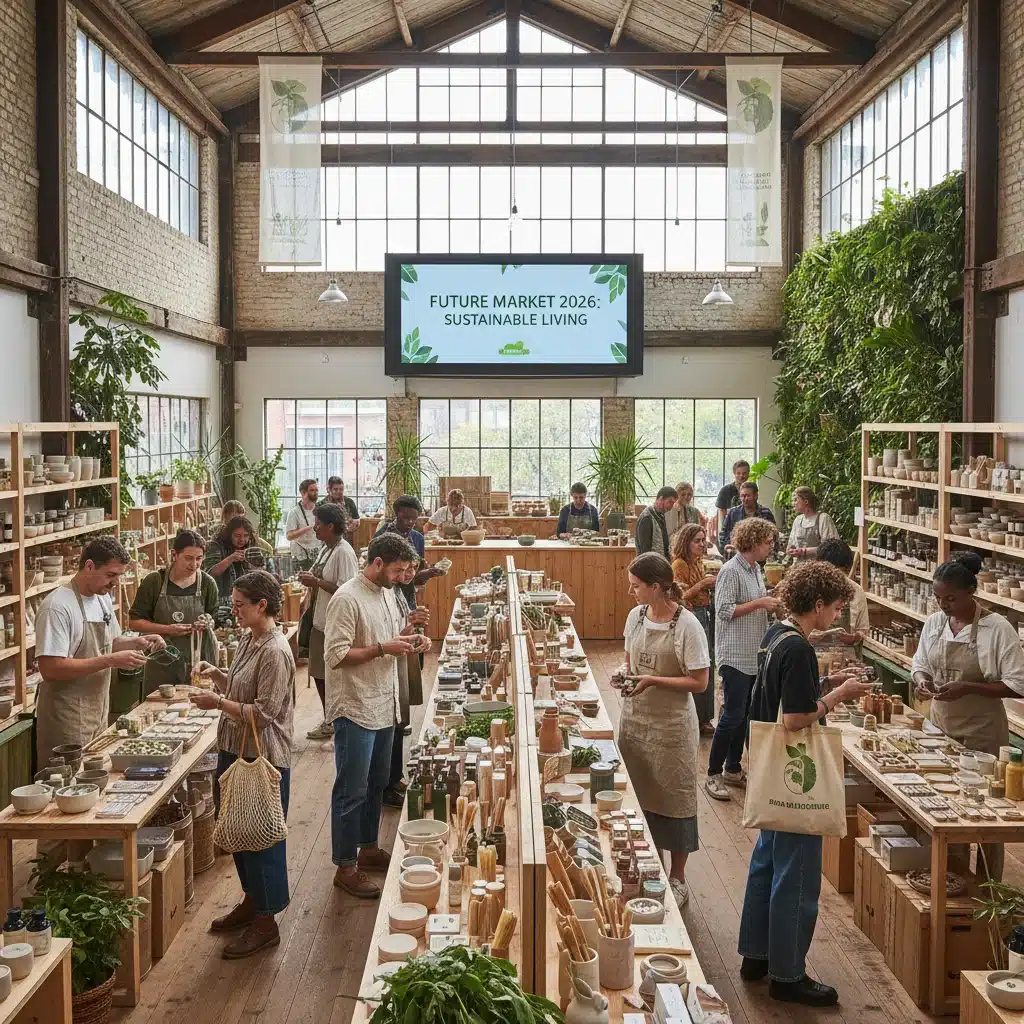
The consumer landscape is perpetually in flux, a dynamic ecosystem shaped by evolving values, technological advancements, and a growing global consciousness. As we peer into 2026, one overarching theme dominates the discourse: mindful consumption. This isn’t just a fleeting fad; it’s a profound shift in how individuals in the United States approach their purchasing decisions, moving beyond mere acquisition to a deeper consideration of impact. Mindful consumption trends are redefining the market, pushing businesses to adapt and innovate, and empowering consumers to wield their purchasing power for positive change.
In an era marked by environmental concerns, social justice movements, and a desire for authenticity, consumers are increasingly scrutinizing the origins, production, and lifecycle of the products and services they buy. This article delves into the top five mindful consumption trends that are expected to significantly influence US spending habits in 2026. From the rise of ethical sourcing to the embrace of circular economies, these trends highlight a collective journey towards more intentional and responsible living. Understanding these shifts is crucial not only for businesses aiming to stay relevant but also for individuals seeking to align their spending with their values.
We’ll explore how these trends are interconnected, driving a holistic approach to consumption that prioritizes sustainability, transparency, and social responsibility. Prepare to discover how the art of mindful consumption is transforming the American marketplace, one conscious choice at a time.
1. The Ascendance of Ethical and Transparent Sourcing
One of the most powerful mindful consumption trends taking root in the US is the demand for ethical and transparent sourcing. Consumers are no longer content with simply knowing what a product is; they want to know where it comes from, who made it, and under what conditions. This extends beyond basic fair trade certifications to a comprehensive understanding of a brand’s entire supply chain. In 2026, companies that can provide clear, verifiable information about their sourcing practices will gain a significant competitive advantage.
What Drives This Trend?
- Increased Awareness of Labor Practices: News about sweatshops, child labor, and unsafe working conditions, particularly in the fast-fashion and electronics industries, has fueled a desire for ethically produced goods. Consumers want to ensure that the products they buy do not contribute to human exploitation.
- Environmental Impact: The ecological footprint of resource extraction and manufacturing processes is a growing concern. Shoppers are looking for products made with responsibly harvested materials, minimal waste, and reduced pollution.
- Digital Transparency Tools: Blockchain technology and QR codes are making it easier for brands to share detailed information about their products’ journey from raw material to finished good. Consumers can scan a code and instantly access data on origin, certifications, and even the individual artisans involved.
- Brand Storytelling: Authentic stories about a brand’s commitment to ethical sourcing resonate deeply. Companies that can effectively communicate their values and the positive impact of their practices build stronger connections with conscious consumers.
Impact on Businesses and Consumers
For businesses, this trend necessitates a thorough audit of their supply chains, often requiring investments in new technologies and partnerships with ethical suppliers. It also means a shift towards greater accountability and a willingness to be open about their processes. Brands that embrace this transparency will build trust and loyalty, attracting a growing segment of mindful consumers.
Consumers, on the other hand, will become more discerning. They will actively seek out brands that demonstrate a clear commitment to ethical labor, sustainable resource management, and animal welfare. This means a willingness to pay a premium for products that align with their values, seeing it as an investment in a more responsible future. The power of the purse will increasingly be used to reward companies that prioritize people and the planet over pure profit.
2. The Rise of the Circular Economy and Repair Culture
The traditional linear ‘take-make-dispose’ model of consumption is rapidly giving way to a more sustainable paradigm: the circular economy. This is another critical component of mindful consumption trends, emphasizing reducing waste, reusing materials, and recycling products to keep them in use for as long as possible. By 2026, the US will see a significant acceleration in the adoption of circular practices, from product design to consumer behavior.
Key Aspects of this Trend
- Product Longevity and Durability: Consumers are increasingly valuing products designed to last, resisting planned obsolescence. This means a greater demand for high-quality, repairable items, from electronics to apparel.
- Repair and Maintenance Services: The ‘throwaway’ culture is being challenged by a resurgence of repair services. Local repair shops, DIY repair kits, and manufacturer-supported repair programs are becoming more popular, extending the lifespan of goods and reducing landfill waste.
- Rental and Subscription Models: For items that are used infrequently or have a high initial cost (e.g., tools, designer clothing, specialized equipment), rental and subscription services offer access without ownership. This reduces the need for individual purchases and promotes shared resource utilization.
- Upcycling and Repurposing: Creativity plays a role here, with consumers and businesses finding new uses for old items, transforming waste into valuable resources. This not only reduces waste but also fosters unique, personalized products.
- Buy-Back and Take-Back Programs: Brands are implementing programs where consumers can return used products for recycling or refurbishment, closing the loop on their lifecycle. This incentivizes responsible disposal and provides businesses with valuable materials.
Benefits of a Circular Approach
The shift towards a circular economy offers multiple benefits. Environmentally, it drastically reduces waste, conserves resources, and lowers carbon emissions. Economically, it creates new business models, job opportunities in repair and refurbishment, and reduces reliance on virgin materials. For consumers, it means greater value from their purchases, access to goods without the burden of ownership, and a sense of contributing to a more sustainable future. This is a profound change in how we perceive and interact with material goods, moving from transient ownership to responsible stewardship. This aspect of mindful consumption trends is not just about what we buy, but how long we keep it, and what happens to it when we’re done.
3. Hyper-Localism and Community-Supported Commerce
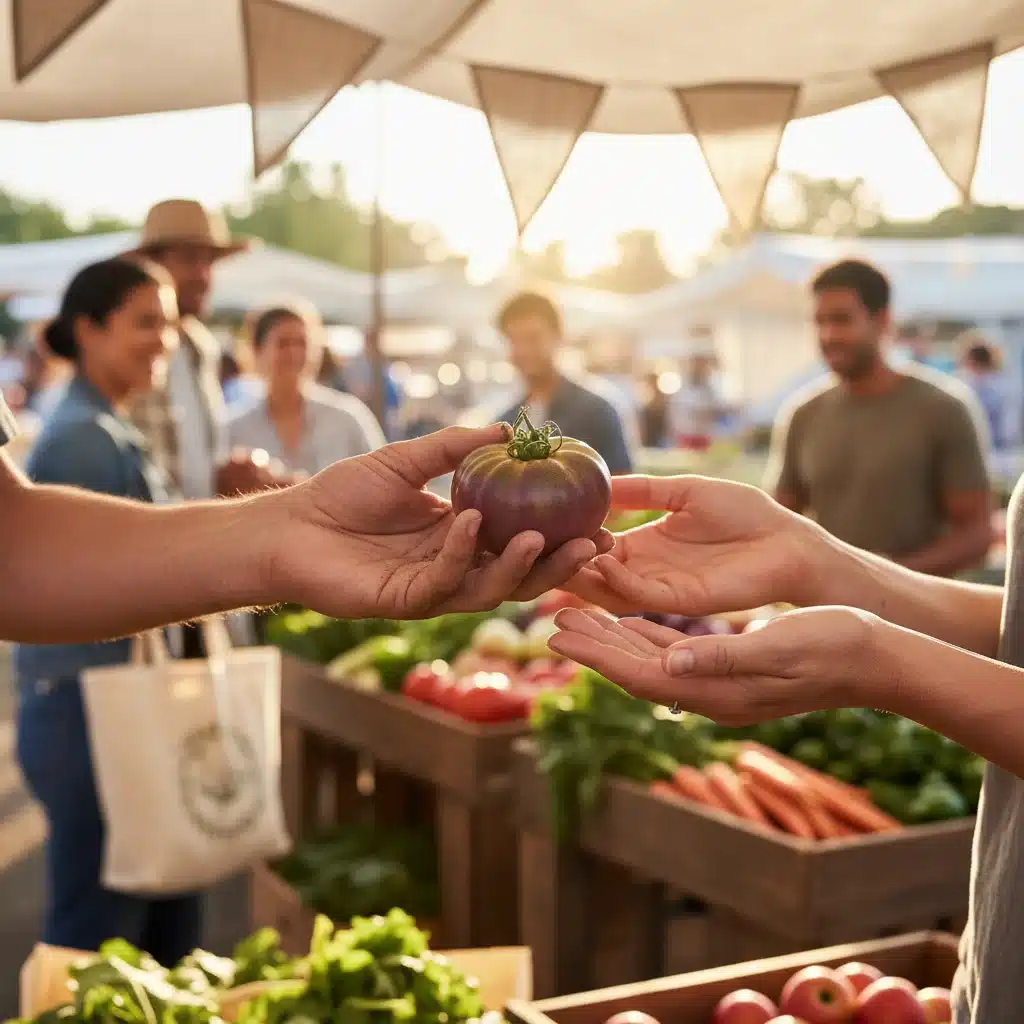
As global supply chains have faced disruptions and consumers have become more aware of the environmental impact of long-distance transport, a strong pull towards hyper-localism and community-supported commerce has emerged. This is a significant aspect of mindful consumption trends, emphasizing the support of local businesses, producers, and economies. In 2026, this trend will continue to strengthen, driven by a desire for fresh, authentic products, reduced environmental footprint, and a stronger sense of community.
Why Local Matters More Now
- Reduced Carbon Footprint: Sourcing goods locally significantly cuts down on transportation emissions, appealing to environmentally conscious consumers. The ‘food miles’ concept, for instance, is a powerful driver for local produce.
- Support for Local Economies: Spending money at local businesses keeps wealth within the community, fostering job creation and economic resilience. Consumers increasingly understand the direct positive impact of their local purchasing decisions.
- Freshness and Quality: Locally sourced food, in particular, often boasts superior freshness and quality due to shorter travel times and fewer preservatives.
- Transparency and Trust: It’s easier to know the story behind a product when it’s made or grown nearby. Direct interaction with producers builds trust and a connection that’s often missing in global supply chains.
- Unique Products and Experiences: Local businesses often offer unique, handcrafted, or specialized products that reflect the character of the community, providing an alternative to mass-produced goods.
Manifestations of Hyper-Localism
This trend is evident in the continued growth of farmers’ markets, community-supported agriculture (CSA) programs, local craft fairs, and independent retail shops. Consumers are actively seeking out businesses that are deeply rooted in their communities, from local bakeries and coffee shops to artisans and service providers. Technology also plays a role, with apps and platforms dedicated to connecting consumers with local businesses, making it easier to discover and support them.
For businesses, embracing hyper-localism means highlighting their local roots, sourcing materials or ingredients from their region, and actively participating in community events. This deep connection to the local fabric becomes a powerful selling point, fostering loyalty and advocacy among consumers who prioritize community well-being. This is a foundational element of mindful consumption trends, emphasizing connection and shared prosperity.
4. The Discerning Digital Consumer: Value Beyond Price
While digital commerce continues to expand, the way consumers interact with online platforms is evolving. The discerning digital consumer, a key player in the mindful consumption trends of 2026, is looking beyond the lowest price. They are seeking value that encompasses a brand’s ethics, sustainability efforts, and overall impact, even in the digital realm.
Characteristics of the Discerning Digital Consumer
- Research-Driven Purchases: Before clicking ‘add to cart,’ these consumers conduct extensive research. They read reviews, scrutinize product descriptions for sustainability claims, and investigate a brand’s mission and values.
- Preference for Purpose-Driven Brands: Online shoppers are actively seeking out brands that align with their personal values, whether it’s environmental stewardship, social justice, or fair labor practices.
- Subscription Box Curation: Mindful consumers are gravitating towards subscription boxes that offer curated, ethical, and sustainable products, reducing impulse buys and ensuring quality.
- Digital Detox and Intentional Browsing: While online, they practice more intentional browsing, avoiding endless scrolling and focusing on purposeful purchases rather than being swayed by aggressive advertising.
- Engagement with Brand Transparency: They appreciate digital platforms that offer transparency, such as virtual factory tours, detailed ingredient lists, and impact reports.
Implications for E-commerce
E-commerce platforms and online brands must adapt by providing richer, more transparent content. This includes detailed product stories, ethical certifications prominently displayed, and easy-to-access information about their supply chain and environmental initiatives. User-generated content that highlights product longevity, repairability, and sustainable use will also become more influential than traditional advertising.
The discerning digital consumer also values a seamless and ethical user experience. This means secure payment gateways, clear return policies, and responsive customer service that reflects the brand’s overall values. The digital storefront is no longer just a place to sell; it’s a platform to communicate values, build trust, and foster a community of like-minded individuals. This sophisticated approach to online shopping is a core driver of current mindful consumption trends.

5. Experience Over Ownership: The Sharing and Access Economy
The final significant trend shaping mindful consumption trends in 2026 is the growing preference for experiences over ownership, and access over acquisition. This represents a fundamental shift away from accumulating possessions towards valuing utility, convenience, and memorable moments. The sharing and access economy, fueled by digital platforms, is making this more accessible than ever.
Driving Factors for Experience Over Ownership
- Environmental Consciousness: Reducing the environmental impact of manufacturing and disposal is a major motivator. Sharing or renting items lessens the overall demand for new production.
- Financial Prudence: For many, especially younger generations, the cost of living and the desire to reduce debt make renting or sharing more appealing than outright purchase.
- Decluttering and Minimalism: A growing movement towards minimalism and decluttering encourages individuals to own fewer things, reducing mental and physical clutter.
- Flexibility and Variety: Renting allows access to a wider variety of items (e.g., different types of cars, fashion for special occasions, specialized tools) without the commitment or cost of ownership.
- Convenience: Digital platforms make it incredibly easy to find, book, and utilize shared resources, from car-sharing services to vacation rentals.
Examples in Action
This trend manifests in various sectors:
- Transportation: Car-sharing services like Zipcar and peer-to-peer car rental platforms are thriving. E-scooter and bike-sharing programs are common in urban areas.
- Fashion: Clothing rental services (e.g., Rent the Runway) allow consumers to access high-end fashion for events without buying.
- Tools and Equipment: Tool libraries and rental services for home improvement or specialized equipment are gaining traction.
- Accommodation: Platforms like Airbnb continue to redefine travel, offering experiences in local homes rather than traditional hotel stays.
- Digital Subscriptions: Media consumption has largely shifted from owning physical copies to subscribing to streaming services, offering vast libraries of content without physical clutter.
For businesses, this means exploring new service-based models, developing robust rental platforms, and focusing on creating exceptional user experiences. For consumers, it means greater freedom, reduced financial burden, and a lighter environmental footprint. This transformative aspect of mindful consumption trends is reshaping how we define wealth and access to goods.
The Interconnectedness of Mindful Consumption Trends
It’s crucial to recognize that these five mindful consumption trends are not isolated phenomena; they are deeply interconnected and mutually reinforcing. For instance, a consumer seeking ethically sourced clothing (Trend 1) is likely also interested in its durability and repairability (Trend 2), perhaps preferring to rent it for a special occasion rather than buying it outright (Trend 5). They might also prioritize purchasing from a local, transparent brand (Trend 3) that communicates its values effectively through its digital presence (Trend 4).
This holistic approach to consumption signifies a maturation of the conscious consumer movement. It’s no longer enough for a product to be ‘green’ in one aspect; consumers are looking for brands that embody sustainability and ethics across their entire operation. This integrated demand creates a powerful incentive for businesses to adopt comprehensive responsible practices.
Challenges and Opportunities
While the trajectory towards mindful consumption is clear, challenges remain. Greenwashing, where companies falsely or misleadingly market products as environmentally friendly, poses a threat to consumer trust. Additionally, the infrastructure for true circular economies, especially in waste management and material recovery, still requires significant investment and innovation.
However, these challenges also present immense opportunities. For entrepreneurs, there’s fertile ground for innovative business models in ethical sourcing, repair services, and sharing platforms. For established companies, it’s an opportunity to re-evaluate their core values, innovate their supply chains, and build deeper, more authentic relationships with their customer base. Those who proactively embrace these mindful consumption trends will be the leaders of tomorrow’s market.
Conclusion: A Future of Conscious Choices
The landscape of US consumerism in 2026 will be unmistakably shaped by mindful consumption trends. From the ethical origins of products to their end-of-life journey, every aspect of consumption is coming under scrutiny. Consumers are evolving from passive recipients of goods to active participants in a global movement towards greater sustainability, social justice, and personal well-being.
The demand for ethical and transparent sourcing, the embrace of the circular economy, the resurgence of hyper-localism, the rise of the discerning digital consumer, and the shift from ownership to experience are not just buzzwords. They represent fundamental shifts in values that are translating into tangible changes in purchasing behavior. Businesses that recognize and adapt to these shifts, integrating them into their core strategies, will thrive in this new era.
Ultimately, the art of mindful consumption empowers individuals to make choices that resonate with their deepest values, fostering a more sustainable, equitable, and fulfilling way of life. As these mindful consumption trends continue to gain momentum, they promise a future where every purchase can be a vote for the kind of world we want to create.